What Range of Motion Is Needed to Use a Hemi Walker?
You need enough arm, wrist, and shoulder movement to lift or reposition a hemi walker, plus enough balance and leg control to step with it. The exact range depends on the device and your movement, so ask a physical or occupational therapist to assess your fit and technique.
On this page (8 sections)
- What range of motion is needed for a hemi walker?
- Which arm and hand movements matter most?
- What leg movement and balance do you need?
- How can you tell if your movement is enough?
- When might a hemi walker be difficult to use?
- How should you compare a hemi walker and a rollator?
- Which mobility aid should you discuss with a therapist?
- What is the decision rule for hemi walker range of motion?
You generally need enough arm, wrist, and shoulder movement to grip and reposition a hemi walker, plus enough balance and leg control to step with it. The exact range depends on your movement and the device setup, so ask a physical or occupational therapist to check your fit and technique.
A hemi walker is a one-handed mobility aid with a broader base than a cane. Using one involves more than reaching forward: you must place it securely, hold it steady, and coordinate your steps.
What range of motion is needed for a hemi walker?
You need enough shoulder and elbow movement to move the walker forward and set it down, and enough wrist and hand movement to grip its handle. You also need the leg movement and balance to take controlled steps while the walker supports you.
There is no single range-of-motion measurement that applies to every user. The needed movement depends on your height, strength, balance, gait, and how a therapist positions the walker.
A therapist can observe whether you can reach without leaning too far, keep the device stable, and step safely. Don't use a general measurement as a substitute for an individual assessment.
Which arm and hand movements matter most?
The arm holding the hemi walker needs to reach forward and slightly outward, then return toward your body as you advance. Your shoulder and elbow should move without forcing your trunk to lean or twist.
Your hand and wrist need to hold the grip while controlling the frame. If pain, stiffness, weakness, or limited finger movement makes it hard to keep a secure hold, tell your therapist before practicing alone.
A correctly fitted handle can help you stand upright with a comfortable bend in your elbow. For safer setup and movement, review how to use a walker correctly.
How does shoulder range of motion affect use?
Limited shoulder movement may make it hard to place the walker far enough ahead without leaning. A therapist can adjust the walking pattern or decide whether another aid better suits your movement.
Don't stretch farther than feels controlled just to reach the device's usual position. Pain, loss of balance, or a need to pull on the walker are reasons to stop and get guidance.
Does wrist or grip movement matter?
Yes. You need to grasp the handle and keep control as you lift or shift the walker.
A loose grip can make it harder to place the frame where you intend.
Ask a clinician to check your hand position and whether the handle height works for you. Don't add attachments or change the frame without checking that they are compatible.
What leg movement and balance do you need?
You need enough leg control to take a step while keeping the walker stable. The specific stepping sequence should match your ability and the instructions from your therapist.
A hemi walker can provide a broad base of support, but it doesn't remove the need for balance. If you feel unsteady while placing it, stepping, or turning, pause and ask for help.
Practice in a clear area with a clinician or caregiver nearby until you know how the device responds. Avoid carrying items in your free hand if that affects your balance or ability to steady yourself.
How can you tell if your movement is enough?
You may be ready to practice when you can grip the handle, place the frame, and step without painful reaching or uncontrolled leaning. A therapist should observe the full movement before you rely on the device around your home.
During an assessment, the clinician can check your arm reach, wrist control, leg movement, balance, and ability to turn or sit. They can also adjust the fit and teach a sequence that suits your needs.
Stop if the walker slides, your arm gives way, or you feel dizzy or unsafe. Don't keep practicing through pain or repeated loss of balance.
When might a hemi walker be difficult to use?
A hemi walker may be difficult if you can't comfortably reach and reposition it, can't hold its grip, or have trouble coordinating steps. Uneven floors, narrow turns, and clutter can add challenges.
Tell your clinician if fatigue or pain changes how far you can reach during a walk. A movement that works for a few steps may become harder over a longer distance.
If you are comparing a wheeled aid, read Rollator vs Hemi Walker: A Helpful Guide. A rollator needs its own balance and brake control, so it may not suit the same person or situation.
How should you compare a hemi walker and a rollator?
A hemi walker is moved and placed by one hand, while a rollator rolls on wheels and uses hand brakes. Consider which motions you can control safely, including reaching, gripping, steering, and stopping.
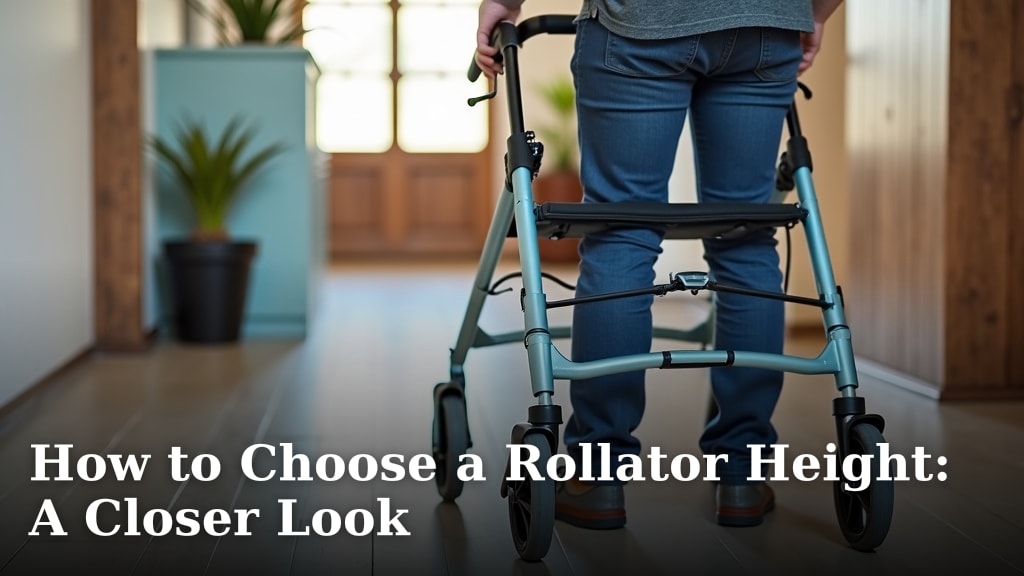
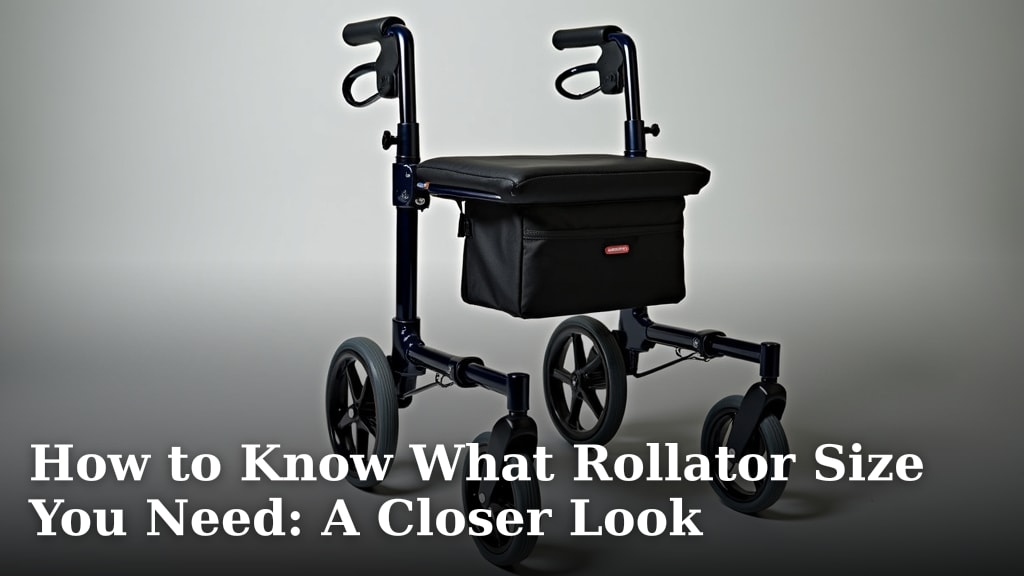
A rollator may require both hands to steer and operate its brakes. Learn the basics of walking with a rollator before deciding whether its controls suit you.
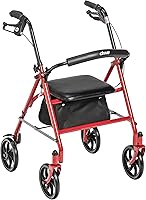
The Drive Medical Rollator Walker with Seat has a steel frame, padded seat, height adjustment, and locking hand brake. The PLANET WALK Super Lightweight Rollator Walker has a 13 lb frame, adjustable handle height, and a seat; the Medline Steel Rollator Walker with Seat has adjustable handles and push-down wheel locks.
If lifting weight matters, compare rollators under 10 pounds.
Which mobility aid should you discuss with a therapist?
Discuss a hemi walker if you can control it with one hand and step safely with the support it provides. Discuss other aids if reaching, grip, balance, or coordination makes that movement difficult.
Ask the therapist to consider where you walk, how you transfer to a chair, and whether you can manage turns and doorways. The best choice is the device you can use with a safe, repeatable movement pattern.
If you are considering a rollator, first read Who Should Not Use a Rollator? For Seniors.
Check how to check for a Medline rollator recall if you own or are considering that brand.
What is the decision rule for hemi walker range of motion?
Choose a hemi walker only after a clinician confirms that you can reach, grip, place it securely, and coordinate steps without unsafe leaning. If any of those movements are painful or unreliable, ask about a different device and practice plan.
Bring your usual shoes and describe the surfaces where you expect to walk. A therapist can assess your movement in context and show you how to use the device safely.
Frequently asked questions
What range of motion do you need for a hemi walker?
You generally need enough shoulder, elbow, wrist, and hand movement to grip and reposition the walker, along with enough leg movement to take controlled steps. The exact needs depend on how you walk and how the device is fitted.
Ask a physical or occupational therapist to assess your movement and technique.
Can you use a hemi walker with one arm?
A hemi walker is designed for use with one hand, but that doesn't mean everyone with one usable arm can safely use one. You still need to grip and position it, keep your balance, and step in coordination.
A therapist can check whether your strength, movement, and walking pattern suit it.
Is a hemi walker better than a cane?
A hemi walker has a wider base than a cane, while a cane is narrower and may be easier to move through tight spaces. Which is appropriate depends on your balance, strength, and ability to coordinate each step.
Get a professional assessment before switching devices.
Can a rollator replace a hemi walker?
A rollator and a hemi walker work differently, so one isn't a direct replacement for the other. A rollator has wheels and usually needs two hands to control, while a hemi walker is placed and advanced by one hand.
A therapist can help match the device to your abilities and setting.