Rollator vs Hemi Walker: A Helpful Guide
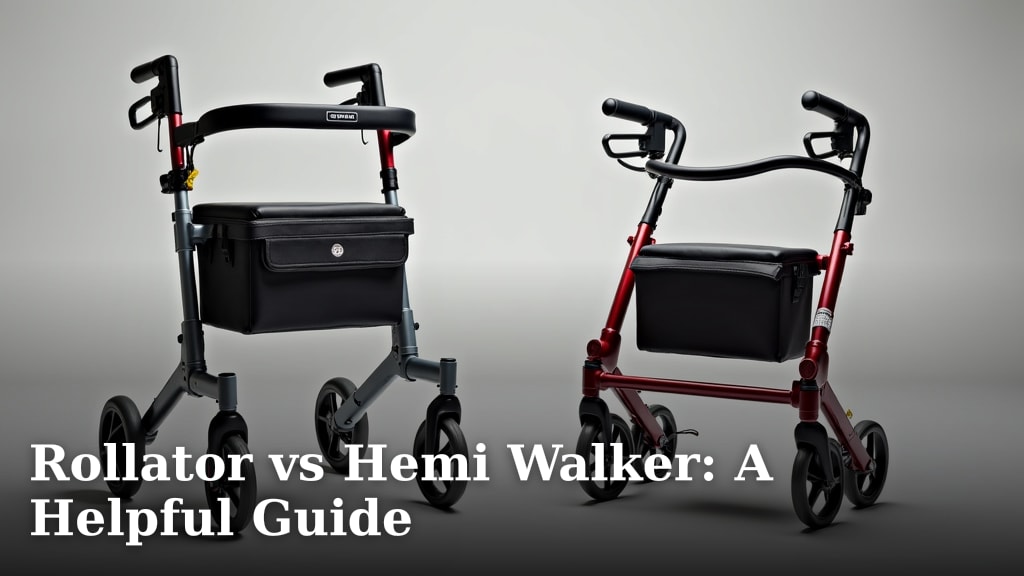
Choosing between a rollator walker and a hemi walker depends on your specific needs for support and mobility. A rollator offers more stability with its four wheels and built-in seat, while a hemi walker provides a narrower base for easier navigation in tight spaces. Both are designed to help you move more safely.
We found that the best choice isn’t always obvious. A rollator is great for taking breaks and carrying items, thanks to its seat and basket. A hemi walker, on the other hand, can be a better fit if you have limited space or need a more compact walking aid. Understanding these key differences is essential for finding the right support.
- Rollators have wheels and a seat for resting.
- Hemi walkers are narrower and good for tight spaces.
- Consider your mobility needs and environment.
- Your doctor or a physical therapist can offer guidance.
Let’s break down the features of each to help you decide which walking aid is your best bet.
Rollator vs. Hemi Walker: Which Mobility Aid is Right for You?
Deciding between a rollator and a hemi walker can feel a bit overwhelming. You need a device that offers the right amount of support and fits your lifestyle. We’ve looked into both to help you understand their main differences. Knowing these distinctions will make your choice much clearer.
Understanding the Rollator Walker
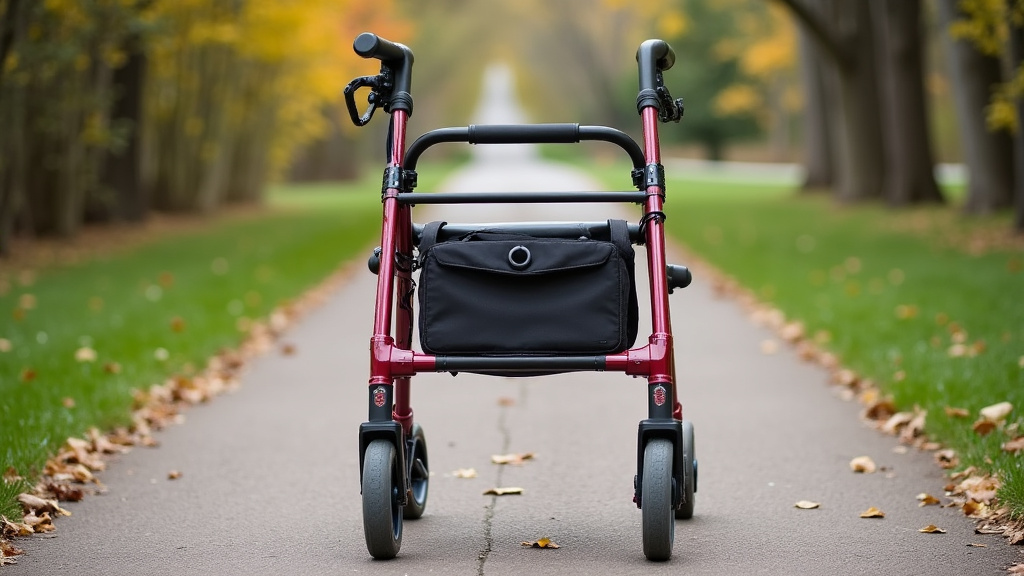
A rollator walker, often just called a rollator, is a wheeled walking aid. It typically has three or four wheels, handles that you can adjust, and a built-in seat. This makes it a popular choice for people who need steady support but also want the option to rest.
Key Features of a Rollator
The most defining feature of a rollator is its wheels. These allow you to move smoothly across different surfaces without having to lift the walker. This takes a lot of the strain off your arms and shoulders. Most rollators have easy-to-use brakes. You can squeeze them to slow down or lock them in place when you want to sit.
The seat is another big advantage. If you find yourself getting tired easily, a rollator lets you take a break whenever you need one. It’s like having a portable chair with you. Many rollators also come with a basket or pouch. This is super handy for carrying everyday items like your purse, groceries, or a book.
We found that rollators offer excellent stability. The multiple wheels provide a wide base of support. This can give you a greater sense of security when you’re walking. They are great for longer distances or when you might need to stop and rest.
Who Benefits Most from a Rollator?
A rollator is often a good fit for individuals who have balance issues or experience fatigue. If you need a walking aid that provides continuous support without requiring you to lift it, a rollator is ideal. It’s also fantastic for those who like to stay active and go on walks but need the assurance of a seat to rest when needed. A rollator is ideal for those needing continuous support, and our guide covers bariatric options.
Many people find rollators helpful for navigating around their homes and yards. They can also make trips to the grocery store or doctor’s appointments much more manageable. If you have enough space to maneuver, a rollator is a strong contender.
Exploring the Hemi Walker (or Walker with Seat)
A hemi walker, sometimes called a half walker or a walker with a seat, is a different type of walking aid. It’s designed to be narrower than a standard walker. It usually has four legs, but some models might have two wheels in the front and two stationary legs in the back.
What Makes a Hemi Walker Unique?
The main difference you’ll notice is its compact design. Hemi walkers are much narrower than traditional walkers or most rollators. This makes them exceptionally good for navigating tight spaces. Think about narrow hallways, small bathrooms, or crowded areas.
Many hemi walkers also feature a built-in seat. This is a great perk if you still want a place to rest. However, unlike a rollator, the seat on a hemi walker is often more basic. It’s designed for quick rests rather than extended sitting. They usually don’t come with baskets, so you’ll need to carry your items separately.
We discovered that hemi walkers offer a good balance of support and maneuverability. While they don’t have the constant rolling motion of a rollator, they provide a stable base. You do need to do a bit of lifting or shuffling with each step, similar to a standard walker, but the narrower frame makes it easier in confined areas.
Who is a Hemi Walker Best For?
A hemi walker shines when space is limited. If you live in a smaller home or often find yourself in tight spots, this walker is a smart choice. It allows you to move more freely without feeling like you’re bumping into things. It’s also good for people who may not need the full stability of a four-wheeled rollator but still require more support than a standard two-wheeled walker.
Some users prefer a hemi walker because they feel it offers a better range of motion for their stride. The narrower profile can make it easier to walk at a natural pace without feeling restricted. It’s a great option if you’re managing conditions that affect your balance or endurance but don’t require a very wide support system.
Direct Comparison: Rollator vs. Hemi Walker
Let’s put them side-by-side. It helps to see the key differences clearly. Many experts suggest considering how and where you’ll use the aid most often.
| Feature | Rollator Walker | Hemi Walker |
|---|---|---|
| Wheels | Typically 3 or 4 wheels for smooth rolling. | Usually 2 wheels in front, stationary legs in back, or 4 legs. |
| Stability | High stability due to wide base and wheels. | Good stability, narrower base for maneuverability. |
| Seat | Standard feature, often padded for comfort and longer rests. | Often included, usually more basic for short rests. |
| Storage | Commonly includes a basket or pouch for items. | Less common; may require separate carrying solutions. |
| Maneuverability | Requires more space to turn. | Excellent in tight spaces due to narrower design. |
| User Effort | Little to no lifting required, relies on rolling. | May require some shuffling or light lifting with each step. |
| Ideal Environment | Open spaces, longer distances, home, shopping. | Narrow hallways, small rooms, crowded areas, home. |
Making Your Choice: Key Considerations
When you’re deciding, think about your daily routine and any physical limitations you have. What challenges do you face when moving around? What kind of support do you truly need?
Your Mobility Needs
Do you need constant support with every step, or can you manage short distances with less assistance? If you tire easily, the seat on either device is a lifesaver. We found that people with significant balance concerns often prefer the added security of a rollator’s wheels.
Your Living Space and Environment
Where will you use your walker the most? If your home has narrow doorways or tight corners, a hemi walker might be more practical. If you spend a lot of time outdoors or in larger spaces, a rollator could offer more freedom and convenience.
Portability and Storage
Consider how easy each walker is to store and transport. Some rollators fold quite compactly. Hemi walkers are generally smaller overall. If you need to take it in your car often, this is an important factor to research for specific models.
Assistance from Professionals
Don’t hesitate to ask for expert advice. Your doctor or a physical therapist can assess your needs. They can recommend which type of walker might be best for your specific situation. They often have hands-on experience with various mobility aids.
A Quick Checklist for Choosing
Here’s a short list to guide your decision:
- Do you need to sit down frequently? (Both offer this, but rollators are often more comfortable for longer sits).
- Is space a major concern in your home? (Hemi walkers excel here).
- Do you need to carry items easily? (Rollators with baskets are useful).
- How much stability do you feel you need? (Rollators typically offer more).
- Will you be moving across different surfaces smoothly? (Rollators are better for this).
- Have you consulted with a healthcare professional?
Researching specific models within each category is also wise. Features can vary widely, even within rollators or hemi walkers. Reading user reviews can provide real-world insights into how they perform.
Conclusion
Choosing between a rollator and a hemi walker boils down to your personal needs and environment. A rollator offers a stable ride with convenient seating and storage for open spaces. A hemi walker excels in tighter spots, providing a narrower, easy-to-maneuver support system. We’ve seen that both can greatly improve your mobility and confidence.
Your next step is to think about your daily routine. Where do you spend most of your time? What kind of support do you truly need when you’re moving? Consulting with your doctor or a physical therapist can also provide expert direction. Making an informed choice will help you move more freely and safely.
Frequently Asked Questions
Can a hemi walker be used on stairs?
No, neither a rollator nor a hemi walker is designed for use on stairs. They are intended for use on level surfaces like floors, sidewalks, and ramps. Attempting to use them on stairs can be very dangerous and could lead to falls.
What’s the difference in weight capacity between rollators and hemi walkers?
Weight capacity can vary greatly by model for both types of walkers. Generally, both rollators and hemi walkers are designed to support typical adult weights, but it’s essential to check the specific product’s specifications. Rollators might sometimes have slightly higher weight limits due to their robust build.
Which is better for someone who tires easily: a rollator or a hemi walker?
For someone who tires easily, a rollator is often the better choice. Its built-in seat allows for frequent and comfortable rest stops during longer periods of walking. While some hemi walkers also have seats, they are typically designed for quicker rests.
Do I need to lift a hemi walker with every step?
Yes, with a standard hemi walker (which has four legs), you typically need to lift or shuffle it slightly with each step, similar to a basic walker. Some hemi walker models have two wheels in the front, which reduces the amount of lifting needed compared to a four-legged model.
Can I take my rollator or hemi walker through a standard doorway?
Most standard doorways are wide enough for most hemi walkers. Rollators, especially those with a wider wheelbase, might be a tighter fit. Always measure the width of your doorways and compare them to the walker’s dimensions before purchasing.