Which Type of Walker Is Best for Seniors?
The best walker type depends on how much support you need and how you move: fixed walkers offer a stable frame that you lift, wheeled walkers roll as you walk, and forearm support walkers shift some weight to your forearms. Ask a physical therapist or clinician to help fit the walker if balance or strength is a concern.
On this page (7 sections)
The best walker for a senior depends on how much support you need, whether you can lift or steer a frame, and how much arm strength you have. Fixed walkers provide a frame to hold as you step; wheeled walkers roll forward; forearm support walkers give you a different way to rest your arms on the frame.
A rollator is one kind of wheeled walker, usually with four wheels, hand brakes and often a seat. If you're comparing that style with a standard walker, start with Rollator vs Standard Walker: For Seniors.
What types of walkers are available for seniors?
The main types are fixed walkers, two-wheeled walkers, rollators and forearm support walkers. Each asks you to move and control the frame in a different way.
| Walker type | How it moves | Consider it if |
|---|---|---|
| Fixed walker | You lift or reposition the frame with each step | You can lift the frame and want it to stay put as you step |
| Two-wheeled walker | Front wheels roll while rear tips stay on the ground | Lifting a fixed frame is difficult, but you can guide the walker |
| Rollator | Wheels roll as you walk; hand brakes control stopping | You can steer and manage the brakes |
| Forearm support walker | You rest your forearms on supports and guide the frame | Standard hand grips are not the right fit for your arm use |
These are broad categories, not a safety ranking. A walker that suits one person's balance and walking pattern may not suit someone else's.
Which type of walker for seniors matches your needs?
Look at the movement you can manage consistently, including starts, stops and turns. The frame should support your walking without moving in a way you can't control.
If lifting a frame feels difficult, a wheeled style may reduce how often you pick it up. If a rolling frame moves too freely for you to guide, a fixed walker may be easier to control.
Think about where you walk, too. A walker for smooth indoor floors may not be the right fit for uneven outdoor paths, door thresholds or crowded spaces.
How does a fixed walker differ from a wheeled walker?
A fixed walker stays put when you set it down, while a wheeled walker rolls forward with you. Choose based on your ability to lift, steer and stop the frame, not on how modern or convenient a style looks.
With a fixed walker, you move the frame forward, set it down, then step into it. That pattern can take more lifting and coordination, but the walker does not roll ahead when you place it.
A two-wheeled walker has wheels at the front and rubber tips at the back. You can slide or guide it forward instead of lifting the whole frame, while the rear tips remain in contact with the floor.
A rollator has wheels on all legs, so it rolls continuously. That can suit people who can control its direction and brakes, but it requires more attention to stopping and keeping the frame close.
If you need help weighing these trade-offs, read Is a Rollator Better Than a Walker? The Basics.
When might a rollator be the right type of walker?
A rollator may suit you if you can walk while guiding a rolling frame and can operate its brakes. Many rollators have a seat, which gives you a place to rest when the frame is stopped and secured.
Some models have a storage pouch or bag, adjustable handles and a folding frame. These features vary, so check each model's size and instructions against your needs and home.
A seat is useful only if you can approach it, lock the brakes and sit down safely. Ask a clinician to assess this if you feel unsteady when turning or lowering yourself.
Rollator examples with different features
These rollators illustrate how wheel size, frame weight and seat features differ. Compare the actual dimensions and setup with your walking space, strength and ability to steer.
To narrow down the options, see How to Choose a Rollator: A Simple Guide.
What is a forearm support walker?
A forearm support walker has padded supports where you rest your forearms, instead of holding only standard hand grips. It can be an option to discuss when hand grip or arm position affects how you use a walker.
The supports change your posture and the way you guide the frame. Fit matters, so get help from a physical therapist or clinician who can observe your walking and adjust the device for you.
Don't assume forearm supports are automatically more comfortable or stable. Your ability to steer, turn and stop the walker still matters.
How should a walker fit?
A walker should feel controllable while you stand upright with your arms relaxed. Have a clinician help adjust the height and check how you walk with it, especially if you've recently fallen or your walking has changed.
Handle height, frame width and your walking space all affect fit. Check that you can move through the doorways and turns you use every day without clipping the frame.
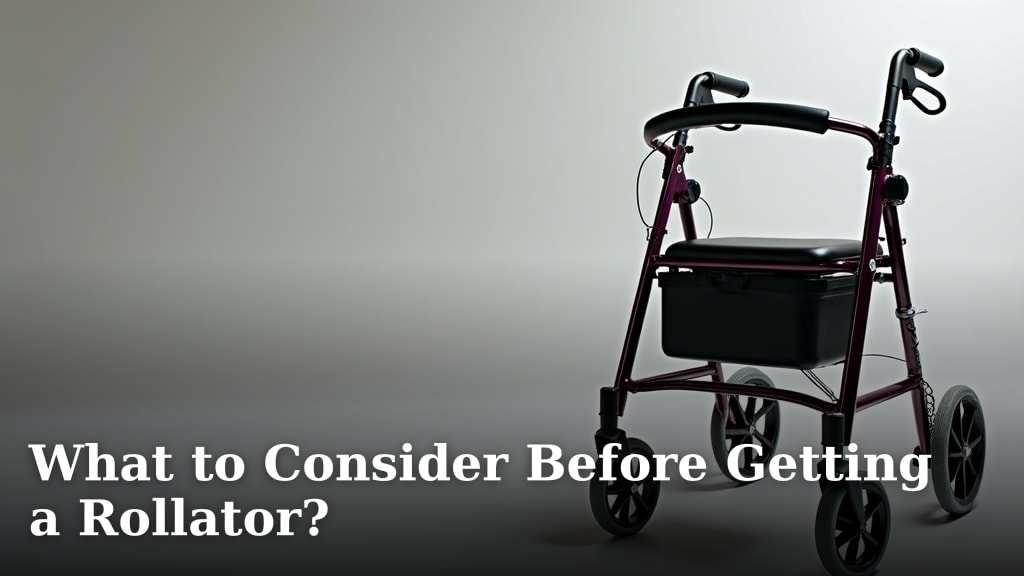
Before choosing a rollator, compare your routine with What to Consider Before Getting a Rollator?. That guide covers practical details to check before deciding on this style.
What should you consider before choosing a walker?
Match the walker to the places you walk, the support you need and the actions you can manage. A useful choice is one you can control on your usual route and use as instructed.
Think through these questions:
- Can you lift a fixed walker, or would pushing a wheeled frame be easier?
- Can you steer a rolling walker through turns and narrow spaces?
- Can you squeeze and lock the hand brakes?
- Do your usual routes include uneven ground, thresholds or tight doorways?
- Can you approach, lock and use a rollator seat safely?
- Will the frame fit where you need to store or transport it?
Consider the walking aid with a physical therapist or other clinician who knows your mobility needs. They can help you practice using it and point out handling issues before you rely on it every day.
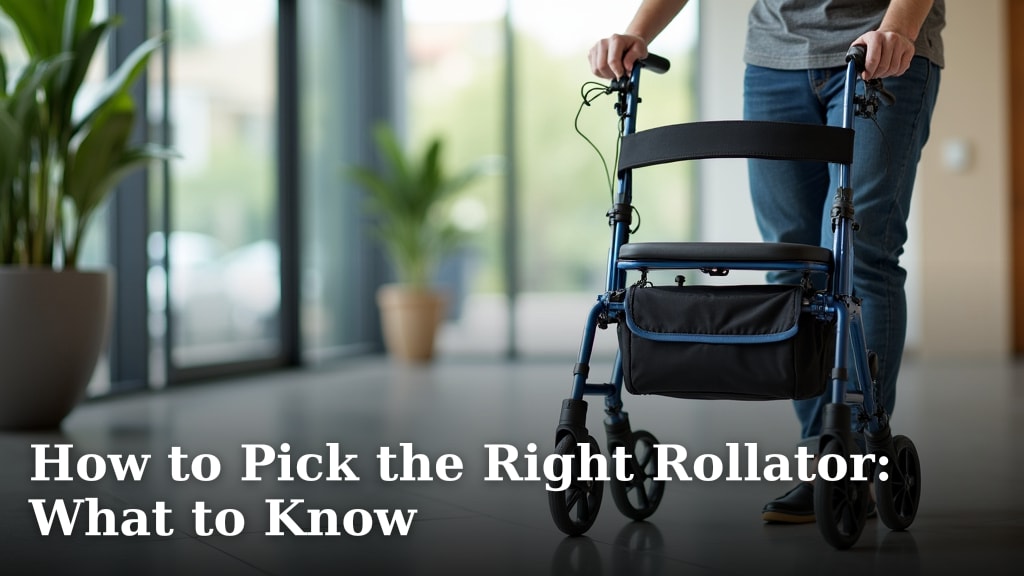
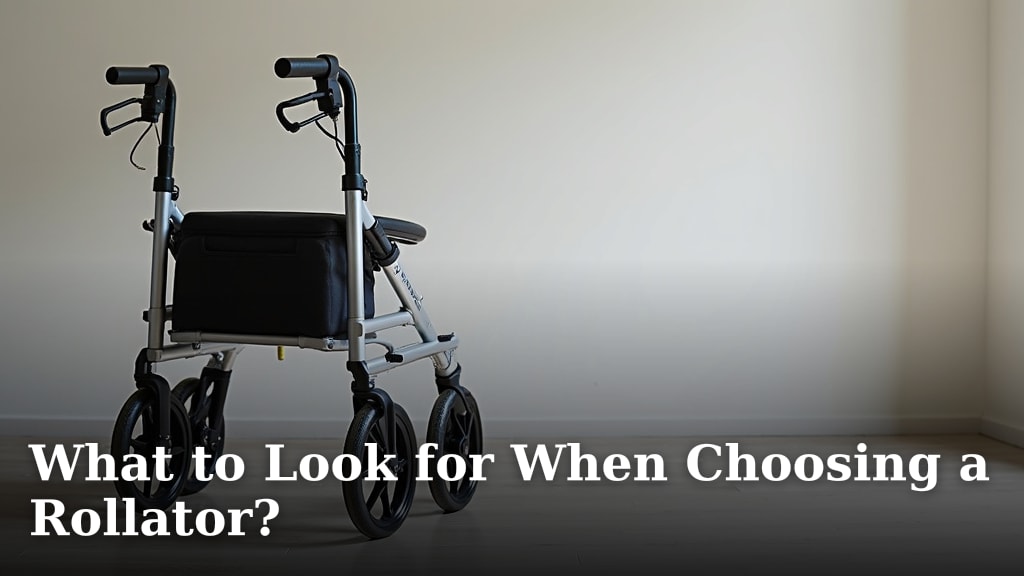
For more selection details, read What to Look for When Choosing a Rollator? and How to Pick the Right Rollator: What to Know.
Which type of walker is best for seniors?
Choose a fixed walker if you can lift it and prefer a frame that stays in place; consider a two-wheeled walker if lifting is hard but you can guide it. A rollator may fit if you can steer and control the brakes, while forearm supports may be worth discussing if standard grips don't suit your arm use.
Ask a physical therapist or clinician to help select and fit a walker if you're unsure about balance, turns, sitting or braking. The right type is the one you can use safely in the places you walk.
Frequently asked questions
What type of walker is best for seniors?
The best type depends on balance, arm strength, walking pattern and where you plan to use it. A fixed walker suits someone who can lift it for each step, while a wheeled walker takes less lifting.
A rollator can suit someone who can steer and control its brakes.
Ask a clinician to help choose and fit one.
Is a walker with wheels safer than one without wheels?
Neither style is safest for everyone. A fixed walker stays in place as you move it, while a wheeled model rolls and needs steering and brake control.
A clinician can assess whether you can manage the walker safely on your usual floors, turns and thresholds.
What is the difference between a walker and a rollator?
A standard walker usually has a frame that you lift or move forward, and some models have front wheels. A rollator has wheels and hand brakes, and often includes a seat.
It rolls continuously, so you need to steer it and use its brakes as directed.
Who should use a forearm support walker?
A forearm support walker may help someone who needs a different way to hold and guide a walking aid than standard hand grips allow. Fit and safe use depend on posture, arm function and balance, so get advice from a physical therapist or other clinician before choosing one.
Can a rollator be used as a seat?
Some rollators have a seat, but sit only after you stop on a level surface and lock both brakes according to the instructions. Don't lean on the seat while the rollator is moving, and ask a clinician if you are unsure whether you can sit down and stand up safely.