Can You Get a Rollator Under 10 Pounds?
A rollator under 10 lb is uncommon among the options here: the lightest weighs 13 lb, while the others weigh 16.5 lb and 20 lb. Check the total lifting weight and how you'll move it before choosing.
On this page (7 sections)
- Are lightweight rollators under 10 lbs realistic?
- How much does each rollator weigh?
- Which features matter when lifting a rollator?
- How can you compare the weight with your routine?
- Should you choose aluminum or steel?
- When might a rollator be the wrong mobility aid?
- How do you choose a lightweight rollator under 10 pounds?
A rollator under 10 lb is uncommon among the options compared here: the lightest weighs 13 lb, while the others weigh 16.5 lb and 20 lb. Check the actual lifting weight and how you'll move the rollator before choosing one.
“Lightweight” doesn't always mean easy to lift. A few pounds can matter when you're reaching into a trunk, carrying a rollator up a step, or folding it for storage, so consider your own lift and the rollator's fit together.
Are lightweight rollators under 10 lbs realistic?
They may exist, but don't assume a rollator is under 10 lb because it is called lightweight. The three options here weigh 13 lb, 16.5 lb, and 20 lb.
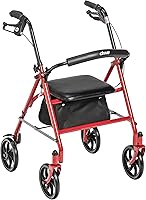
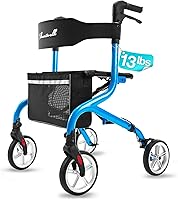
Those weights show why checking the exact model matters. The PLANET WALK weighs 13 lb and has an aluminum frame; the Medline weighs 16.5 lb with a steel frame, and the Drive Medical weighs 20 lb with a steel frame.
Weight isn't the only factor that affects transport. A foldable frame, folded dimensions, and the height of your vehicle's trunk can change how manageable a rollator feels.
How much does each rollator weigh?
The PLANET WALK is the lightest of these three at 13 lb. The Medline is 16.5 lb, and the Drive Medical is 20 lb.
| Rollator | Weight | Frame |
|---|---|---|
| PLANET WALK Super Lightweight Rollator Walker | 13 lb | Aluminum |
| Medline Steel Rollator Walker with Seat | 16.5 lb | Steel |
| Drive Medical Rollator Walker with Seat | 20 lb | Steel |
These weights make the PLANET WALK the closest option here to a 10 lb target, but it still weighs 3 lb more than that. The Medline and Drive Medical may suit readers who value their other features over minimizing lifting weight.
For help weighing those tradeoffs, see How to Choose a Rollator: A Simple Guide. It covers fit and features alongside the basic choice.
Is a rollator under 10 pounds always easier to manage?
A lower number can make lifting easier, but it doesn't guarantee a rollator will feel manageable. Your grip, balance, reach, and the lifting height all affect the task.
Think through the full movement: unfolding the frame, lifting it over a sill, placing it in a trunk, and taking it back out. If you have trouble with any of those motions, ask a family member, caregiver, or physical therapist to help you assess options.
For walking technique after setup, see how to walk with a rollator.
A lighter rollator still needs to match your body and intended use. Compare handle adjustment, brake access, seat dimensions, frame width, and folded size before you decide.
Which features matter when lifting a rollator?
Check the folded shape, lifting points, and destination height as well as the rollator's weight. A rollator that folds compactly may be easier to fit into a car, even if it isn't the lightest.
The PLANET WALK weighs 13 lb and folds to 26.5 x 10.9 x 35 in. It has a one-hand folding function, an aluminum frame, and a detachable storage bag.
The listed folded dimensions describe the space it takes up, not how easy it is to lift. Measure your trunk opening and check whether you can grip the folded frame securely.
The Medline weighs 16.5 lb and folds down for transport and storage. Check the Medline rollator weight capacity for the exact model you are considering.
Its steel frame includes a padded seat and backrest, plus under-seat storage.
The Drive Medical weighs 20 lb. It has a steel frame, a padded seat, ergonomic handles, a fold-down backrest, and compact folding.
If you need a particular feature or have concerns about a model's coverage, read what the Medline rollator product warranty covers.
How can you compare the weight with your routine?
Match the rollator to the heaviest regular task you expect to do with it. That might mean lifting it into a trunk, carrying it through a doorway, or storing it in a closet.
Write down the places where you expect to fold or lift it. Measure narrow doorways and the trunk opening, then compare those measurements with the rollator's width and folded dimensions.
Consider how often you'll lift it. If it stays open on one level of your home, its weight may matter less than it does for someone who loads it into a car several times a week.
Use a safe, familiar object with a similar weight to see how lifting feels. Ask someone to help you assess the movement without risking a fall or strain.
Should you choose aluminum or steel?
The frame material is one useful detail, but weight and fit still deserve a direct comparison. The 13 lb PLANET WALK has an aluminum frame, while the 16.5 lb Medline and 20 lb Drive Medical have steel frames.
Don't choose by material alone. Compare the full rollator weight, folding details, seat and handle fit, and the features you need for everyday use.
For a broader checklist, read what to look for when choosing a rollator. You can also use How to Pick the Right Rollator: What to Know to think through the choice step by step.
When might a rollator be the wrong mobility aid?
A rollator is designed for someone who can walk but needs support or frequent breaks. Compare walker types for seniors if you are weighing other mobility aids.
If you can't safely manage its brakes, steering, or lifting, consider whether another mobility aid better fits your needs.
A rollator's seat offers a place to rest, but it doesn't replace a mobility aid designed for seated movement. Compare the tradeoffs in Rollator vs Wheelchair: A Senior’s Guide.
Ask a health professional or mobility equipment provider for help if you aren't sure which aid suits your balance and walking ability. The right choice depends on the support you need and where you plan to use it.
How do you choose a lightweight rollator under 10 pounds?
Start by checking the exact weight, then test how the model fits your lifting routine and walking needs. In this comparison, the 13 lb PLANET WALK is the lightest; the Medline weighs 16.5 lb, and the Drive Medical weighs 20 lb.
Choose the lightest option only if its fit and features work for you. If the rollator will mostly stay open at home, seat comfort, brake access, and handle height may matter more than a small weight difference.
If frequent lifting is the main concern, compare the folded dimensions and try a similar lift at the height you'll use.
Then use What Is a Lightweight Rollator? What to Know to compare what lightweight means for everyday use.
Frequently asked questions
Can you get a rollator under 10 pounds?
Some rollators may weigh under 10 lb, but the three options compared here weigh 13 lb, 16.5 lb, and 20 lb. Check the assembled weight for the exact model and whether that figure includes its seat, backrest, or storage bag.
A lighter frame can help with lifting, but fit and safe use matter too.
What is a realistic weight for a lightweight rollator?
The options here range from 13 lb to 20 lb, with aluminum construction on the 13 lb model and steel on the 16.5 lb and 20 lb models. The term lightweight doesn't set one standard weight, so compare the number in pounds and the frame material for each model.
Is a 13-pound rollator easy to lift into a car?
A 13 lb rollator weighs less than the 16.5 lb and 20 lb examples here, but whether you can lift it depends on your strength, grip, reach, and the car's height. Try lifting a similar weight from the floor to the trunk level, or ask someone to help assess the movement safely.
Should I choose a rollator only by weight?
No. Compare weight alongside handle fit, seat size, brakes, folded shape, wheel size, and the places you plan to use it.
A lighter frame may be easier to lift, while a rollator that doesn't fit your body or routine can be harder to use safely.