How to Pick the Right Rollator: What to Know
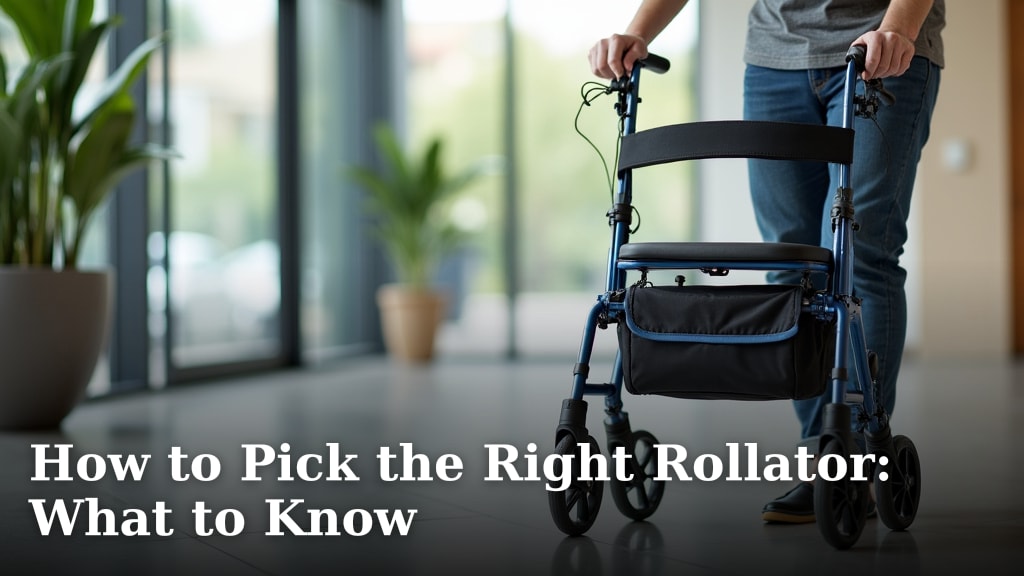
Picking the right rollator means finding a mobility aid that offers dependable support and fits your lifestyle. You’ll want to consider its weight capacity, adjustability, and where you plan to use it most. A good rollator should feel like a natural extension of your own movement.
Choosing a rollator isn’t just about picking a color; it’s about finding a partner for your daily activities. We know that finding the perfect fit can feel overwhelming, but it’s essential for maintaining your independence and safety. Let’s make sure you get the one that feels just right.
- Consider your primary use: indoors, outdoors, or both.
- Check the weight capacity to ensure it meets your needs.
- Look for adjustable height settings for a comfortable fit.
- Think about brake types and ease of use.
- Don’t forget about storage and portability.
We’ve put together what you need to know to make an informed choice. Let’s walk through how to pick the rollator that will best support your journey.
Choosing the Right Rollator for Your Needs
Selecting the perfect rollator is about finding a reliable companion that makes your daily movements easier and safer. You’ve already seen why it’s important, so let’s dive into the specifics. Think of it like finding the right pair of shoes – they need to fit well and be suitable for where you’ll be walking.
We found that understanding a few key features can make all the difference. This guide will help you navigate the options so you can feel confident in your choice. Let’s get started on finding a rollator that feels like an extension of you.
Understanding Rollator Types and Features
Indoor vs. Outdoor Rollators
One of the first things to consider is where you’ll be using your rollator most often. This helps narrow down the best design for your needs. Some rollators are built for smooth, indoor surfaces, while others are designed to handle bumps and uneven terrain outdoors.
Indoor rollators are often lighter and more compact. They might have smaller wheels that glide easily on carpets and hardwood floors. Their primary goal is to help you navigate tighter spaces inside your home with stability.
Outdoor rollators, on the other hand, tend to be more robust. They often feature larger, air-filled or pneumatic tires. These tires are great for absorbing shock on sidewalks, grass, or gravel. Many experts suggest looking for good suspension if you plan on frequent outdoor use (Cleveland Clinic).
Key Features to Look For
Beyond the indoor/outdoor distinction, several features will impact your daily experience. Let’s break down what matters most when you’re looking at different models. Our guide to a four-wheeled rollator explains its specific design and benefits.
Weight Capacity: How Much Support Do You Need?
This is a critical safety feature. Every rollator has a maximum weight it can safely support. You need to ensure the rollator’s capacity is comfortably higher than your own weight, plus any items you might carry. Many standard rollators support up to 250-300 pounds.
However, some heavy-duty models can support 350-500 pounds or more. Always check the product specifications carefully. Exceeding the weight limit can compromise the rollator’s stability and lead to failure. Many guidelines recommend choosing a rollator with a capacity at least 50 pounds more than your body weight for added safety (CDC).
Adjustable Height: Finding Your Perfect Fit
A rollator that’s the wrong height can cause strain on your back, shoulders, and wrists. Most rollators are adjustable, but the range can vary. You want the handgrips to be at a height that allows your arms to be slightly bent when you stand up straight.
A good rule of thumb is to measure from the floor to your wrist crease when your arms are relaxed at your sides. Then, look for a rollator with an adjustable height range that includes this measurement. Most models offer adjustments in 1-inch increments. This ensures you can fine-tune the fit for maximum comfort and proper posture.
Brakes: Stopping Power and Control
Rollator brakes are essential for safety, especially on slopes or when you need to stop suddenly. Most rollators have hand brakes, similar to those on a bicycle. These are usually easy to squeeze and operate.
There are two main types of hand brakes:
- Push-down brakes: These are pressed down to lock the wheels. They offer a secure hold but can sometimes be a bit stiff.
- Pull-up brakes: These are pulled up to engage. They often feel more intuitive for some users.
Some rollators also feature locking mechanisms. This is great for when you want the rollator to stay put while you sit on the seat. Always test the brakes to ensure they engage firmly and feel comfortable for your hand strength. We found that many users prefer brakes that are easy to squeeze repeatedly without causing hand fatigue.
Wheels: Size and Type Matter
The wheels on a rollator significantly affect how easily it moves and handles different surfaces. Wheel size is typically measured by diameter.
Smaller wheels (around 6 inches) are good for indoor use. They offer a tighter turning radius, making it easier to maneuver in tight spaces. However, they can get caught on obstacles like rugs or small cracks.
Larger wheels (8 inches or more) are better for outdoor use. They roll over uneven terrain more smoothly and can navigate thresholds more easily. For mixed-use, 8-inch wheels are often a good compromise. Some high-end models offer even larger wheels for rougher terrain.
Wheel material also plays a role. Solid rubber tires are maintenance-free and won’t go flat, but they can offer a bumpier ride. Pneumatic (air-filled) tires provide a smoother ride, especially outdoors, but they can be punctured and require inflation.
Seats and Backrests: For When You Need a Break
Many rollators come with a built-in seat and a backrest. This is a fantastic feature for when you need to rest during your travels. Look for seats that are sturdy and comfortably wide.
The backrest should provide adequate support. Some are padded for extra comfort. If you plan to use the seat frequently, consider how easy it is to deploy and fold away. Ensure the seat is at a comfortable height for you to sit down and stand up from safely.
Storage: Keeping Your Essentials Handy
Do you need to carry a purse, groceries, or medications? Most rollators offer some form of storage. This can range from a simple under-seat pouch to more elaborate baskets or bags.
Consider what you typically carry and choose a rollator with enough storage space. Easy access to your items is also important. Some storage solutions can be removed, which can be handy for cleaning or for when you don’t need them.
Portability and Folding: Taking it With You
If you plan to transport your rollator in a car, its folding mechanism is crucial. How easy is it to fold? Does it fold flat? Does it lock in the folded position?
Some rollators are designed for one-handed folding, which can be helpful. Others might require a bit more effort. Check the folded dimensions to ensure it will fit in your car trunk or storage space. We found that lighter rollators are generally easier to lift and maneuver when folded.
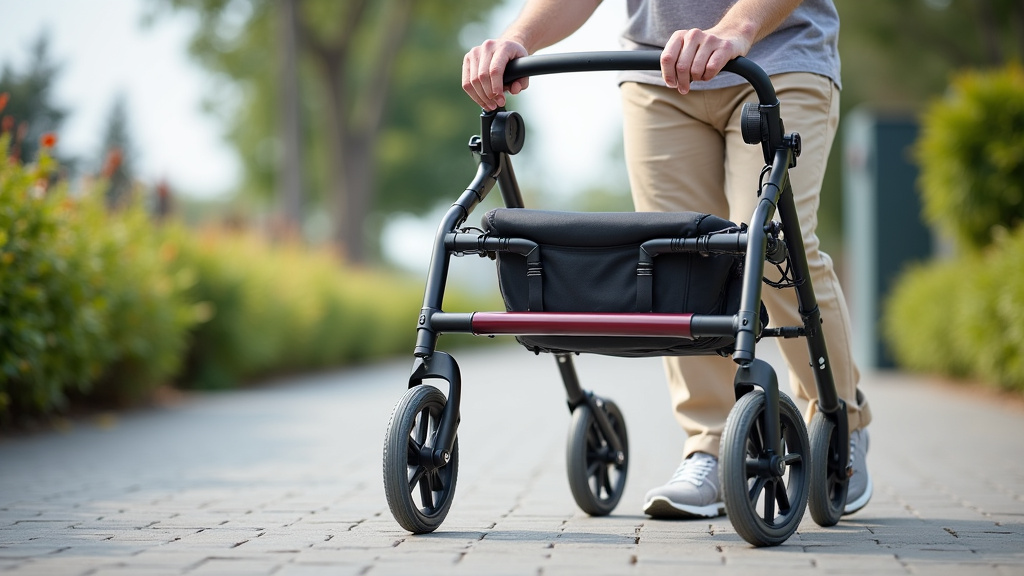
Putting It All Together: Your Rollator Checklist
Making a decision can feel simpler when you have a clear checklist. Here are the key things to review as you shop:
- Primary Use: Indoors, outdoors, or a mix?
- Weight Capacity: Does it safely exceed your weight?
- Adjustable Height: Does it match your comfortable standing height?
- Brakes: Are they easy to use and reliable?
- Wheels: Are they suitable for your typical walking surfaces?
- Seat & Backrest: Are they comfortable and supportive for resting?
- Storage: Is there enough space for your needs?
- Folding: Is it easy to fold for transport and storage?
By considering these points, you’re well on your way to finding a rollator that genuinely supports your independence and daily life. It’s an investment in your mobility and well-being.
Conclusion
You’ve learned how to select a rollator that truly fits your needs. By focusing on your intended use, weight capacity, and adjustable height, you’re setting yourself up for success. Remember to check the brakes, wheel type, and storage options to ensure your rollator is a reliable partner for daily life. Take your time, test features if possible, and trust your instincts. Your next step is to use this knowledge to confidently choose the rollator that will best support your journey toward greater mobility and independence.
Frequently Asked Questions
What’s the difference between a walker and a rollator?
A walker typically requires you to lift it with each step, providing support. A rollator, on the other hand, has wheels and brakes, allowing you to roll it along without lifting. This makes rollators generally easier to use for longer distances and for people who can walk but need extra stability.
How do I know if a rollator’s height is correct for me?
The correct height means the handgrips reach your wrist crease when you’re standing up straight with your arms relaxed at your sides. Your elbows should have a slight bend when you hold the handles. If the rollator is too high or too low, it can cause discomfort and affect your posture.
Are all rollator brakes the same?
No, most rollators have hand brakes that you squeeze, similar to a bicycle. However, there are variations. Some are push-down and lock, while others are pull-up. It’s important to test them to ensure they are easy for your hands to operate and engage securely.
Can I use an indoor rollator outside?
While you might be able to use an indoor rollator on smooth outdoor surfaces, it’s not ideal. Indoor rollators usually have smaller wheels that can get stuck on uneven terrain, cracks, or grass. For outdoor use, look for larger wheels and more robust construction.
How much weight can a rollator typically hold?
Standard rollators usually have a weight capacity of around 250 to 300 pounds. However, heavy-duty models are available that can support 350 to 500 pounds or more. Always check the product’s specifications to ensure it safely exceeds your weight plus anything you plan to carry.