How to Choose a Rollator: A Simple Guide
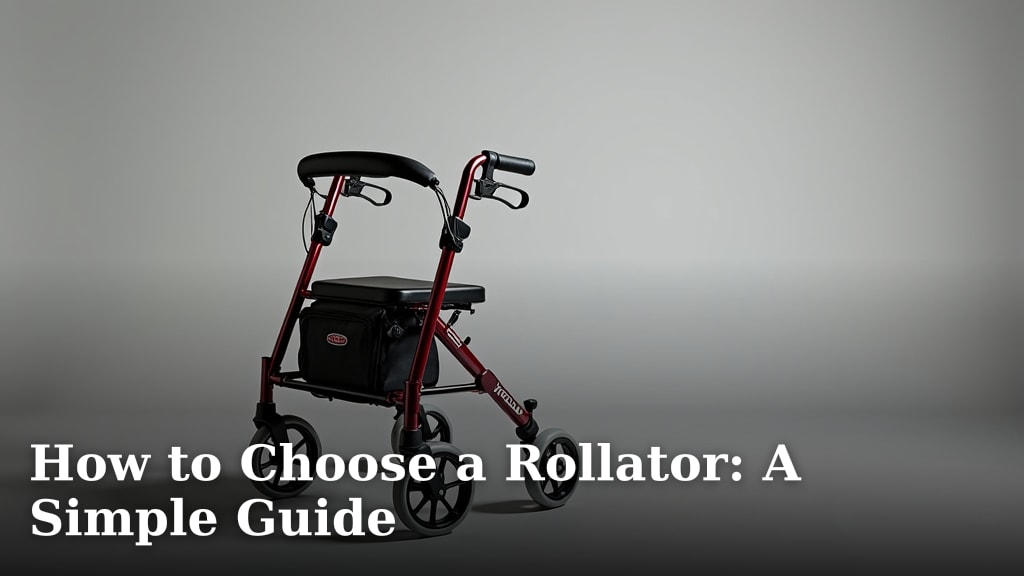
Choosing the right rollator means finding a walking aid that offers reliable support and makes getting around easier. You’ll want to consider factors like your height, weight capacity, and the terrain you’ll be using it on most. A well-chosen rollator can significantly boost your confidence and independence.
Think of a rollator as your mobile base of operations. It helps you stand tall, carries your essentials, and gives you a place to rest. We found that understanding the different types and features available is key to making a choice you’ll be happy with. It’s about finding the best fit for A four-wheeled rollator offers distinct advantages for mobility and rest.your unique needs.
- Measure your height to ensure a proper fit.
- Check the weight capacity for safety.
- Think about where you’ll use it (indoors or outdoors).
- Consider features like seats, baskets, and wheel size.
- Test it out if possible!
Let’s walk through the important things to look for to make sure you select a rollator that’s perfect for you.
Selecting Your Ideal Rollator Walker
Choosing the right rollator is about finding a walking aid that feels like an extension of yourself. It should offer dependable support and make your daily journeys smoother. We’ve researched the key factors to help you make an informed decision. Your comfort and safety are our top priorities.
Fit for Your Frame: Height and Size Matters
Getting the proper fit is the first step to comfortable mobility. An ill-fitting rollator can cause strain and make walking more difficult. We found that most rollators come in adjustable heights. This makes it easier to find one that matches your body.
Finding Your Perfect Handlebar Height
The ideal handlebar height allows you to stand upright with a slight bend in your elbows. This posture helps you maintain balance and reduces stress on your back and shoulders. Too low, and you’ll stoop. Too high, and you might feel unstable.
Here’s a simple way to measure: Stand tall with your arms relaxed at your sides. Have someone measure from the floor to the middle of your wrist bone. This measurement is usually a good starting point for your rollator’s handlebar height.
Many manufacturers provide height charts. Always check these charts before buying. They often suggest a range of user heights for each rollator model. We found this to be a reliable guide for many shoppers.
Rollator Size Considerations
Beyond height, consider the overall width and depth of the rollator. Will it fit through your doorways and hallways? Measure the narrowest points in your home. Many standard rollators are about 25 inches wide. Some are designed to be more compact.
Also, think about the seat size if your rollator has one. You’ll want it to be comfortable for resting. Seat depths can vary, so measure if you have specific needs.
Strength and Stability: Weight Capacity
Every rollator has a maximum weight capacity. This is a critical safety feature. Exceeding this limit can compromise the rollator’s structural integrity and lead to accidents.
We found that typical rollator weight capacities range from 250 to 400 pounds. Some heavy-duty models can support even more. Always check the manufacturer’s specifications for the exact limit. For individuals needing higher support, a bariatric rollator is an option to consider.
Consider not just your weight, but also any items you might carry on the rollator. Groceries, bags, or even a heavy purse can add up. It’s wise to choose a rollator with a capacity well above your expected load.
Where Will You Roll? Terrain and Wheel Size
The surfaces you’ll be navigating play a big role in your choice. Are you mostly indoors or outdoors? Do you encounter uneven paths or rough terrain?
Indoor Rollators
For indoor use, smaller wheels are often sufficient. They offer better maneuverability in tight spaces like kitchens and bathrooms. Many indoor rollators are lighter and more compact. They are designed to glide easily on smooth floors.
Outdoor Rollators
If you plan to use your rollator outdoors, larger wheels are generally better. They can handle cracks in sidewalks, small bumps, and grass more smoothly. Think of them like shock absorbers for your walk.
We found that wheels between 6 and 8 inches in diameter are common for indoor use. For outdoor versatility, look for wheels 8 inches or larger. Some models even feature pneumatic (air-filled) tires, similar to a bicycle, for superior shock absorption on rough ground. However, these can be heavier and require maintenance.
Consider the material of the wheels too. Solid rubber wheels are durable and maintenance-free. They won’t go flat. However, they might not offer as much cushioning as air-filled tires.
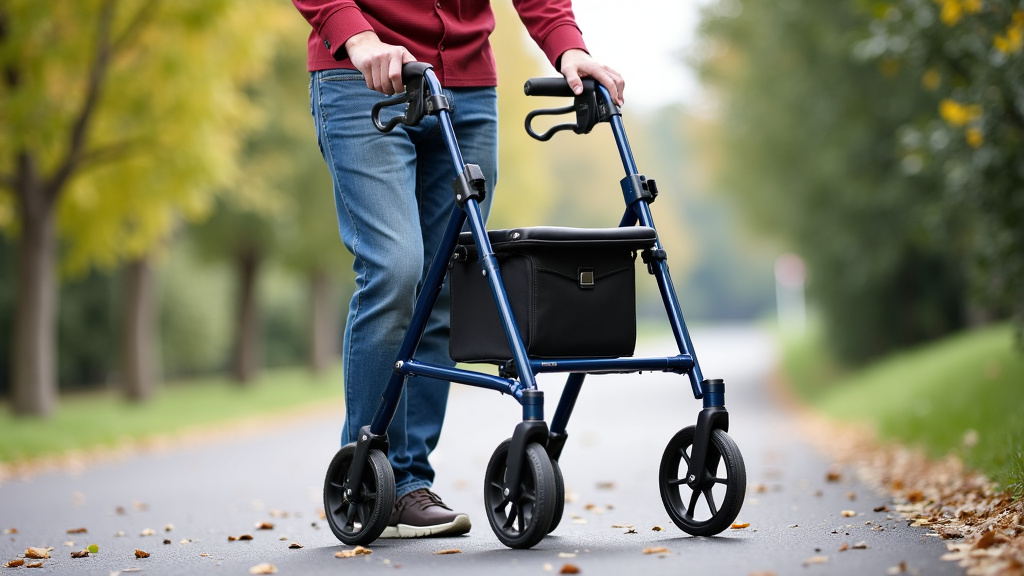
Features That Enhance Your Experience
Beyond the basics of fit and function, rollators offer a variety of features. These can make a big difference in your daily convenience and comfort. We’ve highlighted some of the most popular ones.
The Handy Seat
Most rollators include a built-in seat. This is a wonderful feature for taking breaks whenever you need them. No more searching for a bench!
When using the seat, always ensure the rollator’s brakes are locked securely. This prevents accidental rolling. Research indicates that this is a key safety step.
Storage Solutions: Baskets and Bags
Need to carry your purse, a book, or a few items from the store? Many rollators come with a basket or a storage pouch. These are incredibly useful for keeping your hands free.
Some baskets are located under the seat, while others hang from the handlebars. Think about what you typically carry and where you’d prefer it to be stored.
Braking Systems: Your Safety Net
Rollator brakes are essential for safety. Most have loop-style hand brakes that you squeeze to slow down or stop. Many also have a locking mechanism to keep the rollator stationary when parked or when you’re using the seat.
We found that understanding how to engage and lock the brakes is vital. Practice this in a safe area before you rely on them. Your ability to control the brakes is fundamental to using your rollator confidently.
Putting It All Together: A Quick Checklist
Ready to make a choice? Here’s a quick rundown of what to consider:
- Height Adjustment: Does it fit your personal height?
- Weight Limit: Is it sufficient for you and your belongings?
- Wheel Size: Are they appropriate for your typical terrain?
- Seat Comfort: If it has a seat, is it comfortable for resting?
- Storage: Does it have space for your essentials?
- Brakes: Are they easy to use and reliable?
Trying Before You Buy (If Possible!)
If you have the opportunity, try out a few different rollators. Visit a medical supply store or ask friends who use them. See how each one feels when you walk with it.
Pay attention to the steering, the ease of braking, and how stable it feels. Even a few minutes of hands-on experience can reveal a lot. We found that this step can really solidify your decision. It’s about finding a rollator that feels right for you.
Conclusion
Choosing the right rollator is a journey to better mobility. You’ve learned how important fit, weight capacity, and terrain are. Thinking about features like the seat and storage can also make a big difference. We’ve seen that a well-chosen rollator can truly enhance your independence and confidence.
Your next step is to assess your personal needs based on what you’ve read. Measure your height and consider where you’ll use it most. Then, start looking for models that meet these requirements. You’ve got this!
Frequently Asked Questions
Can I use a rollator on very rough outdoor terrain?
For rough outdoor terrain, you’ll want a rollator with larger wheels, preferably 8 inches or more. Some models offer pneumatic (air-filled) tires for better shock absorption. Always check the manufacturer’s recommendations for the intended terrain.
How do I know if the handlebar height is correct?
The ideal handlebar height allows you to stand tall with a slight bend in your elbows when your hands are on the handles. We suggest measuring from the floor to your wrist bone while standing with arms relaxed at your sides.
What is the standard weight capacity for a rollator?
Most standard rollators have a weight capacity between 250 to 300 pounds. Heavy-duty models can often support 350 to 400 pounds or more. It’s wise to choose one with a capacity well above your needs.
Are rollator brakes difficult to use?
Most rollator brakes are loop-style hand brakes you squeeze to slow or stop. Many also have a lock feature to keep the rollator stationary. We found that practicing using them in a safe space is key to building confidence.
Can I use the rollator seat even if I’m a bit heavier than the stated capacity?
You should always stay within the manufacturer’s stated weight capacity for both riding and sitting. Exceeding this limit can compromise the rollator’s safety and structural integrity, leading to potential accidents.