What to Look for When Choosing a Rollator?
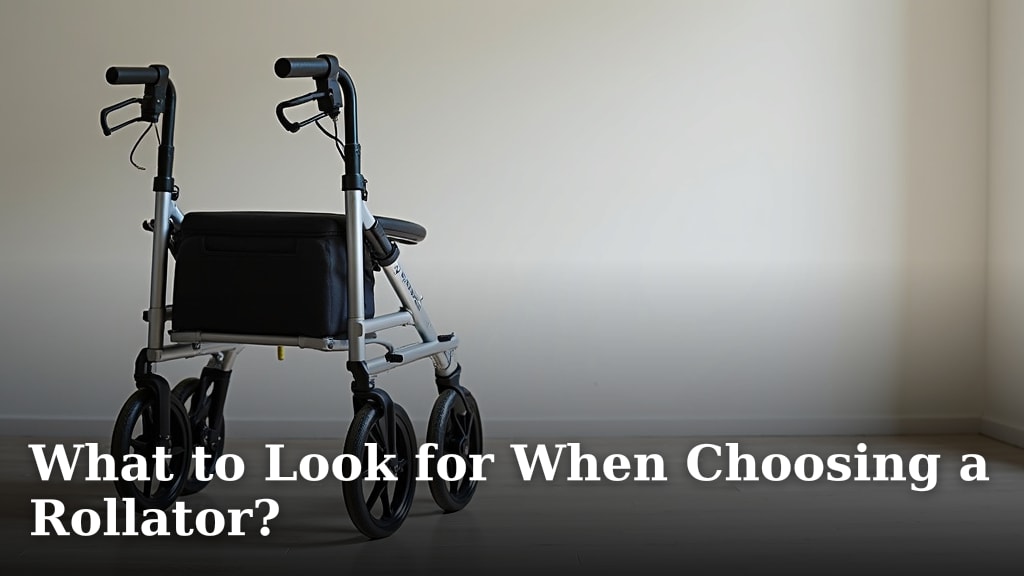
Choosing the right rollator means finding a walking aid that offers both stability and comfort for your daily needs. You’ll want to look for features like adjustable height, comfortable handgrips, and a secure braking system. Consider how you’ll use it most: indoors, outdoors, or both, as this will help determine the best wheel size and frame material for you.
A good rollator can greatly improve your mobility and independence. We found that when selecting one, it’s important to match its features to your specific requirements. Think about its weight capacity, ease of folding for transport, and whether you need a seat or a basket for carrying items. Proper fit is key to preventing strain and ensuring safe navigation.
TL;DR:
- Check for adjustable height and comfortable handgrips.
- Ensure a reliable braking system for safety.
- Consider wheel size for indoor vs. outdoor use.
- Look at weight capacity and ease of folding.
- Decide if you need a seat or storage.
Let’s walk through exactly what to look for when choosing a rollator that fits you perfectly.
Key Factors When Selecting a Rollator
Picking the right rollator can feel like a big decision. You want something that helps you get around safely and comfortably. We’ve looked into what makes a rollator a good fit for different people. It’s about matching its features to your everyday life and needs. Let’s break down what to look for.
Getting the Right Fit: Height and Adjustability
The most important thing is that your rollator fits you correctly. If it’s too tall or too short, it can cause strain and make it harder to walk. You want to feel stable and balanced.
Why Adjustable Height Matters
Many rollators come with adjustable handles. This is a big plus because it means you can set the height precisely for your body. This is especially helpful if more than one person will use the rollator. It ensures everyone gets the right support.
How to Determine Your Ideal Height
When standing up straight, your arms should hang relaxed at your sides. The top of the rollator handles should line up with the crease in your wrist. This position allows you to walk with a slight bend in your elbows, which is natural and comfortable. Many manufacturers provide a height chart based on user height. Research and found that many guidelines suggest this wrist-to-handlebar alignment for optimal posture and support (National Institutes of Health).
Wheels and Your Walking Environment
The type of wheels on a rollator will affect how easily it rolls. Consider where you plan to use it most often.
Indoor vs. Outdoor Wheels
For use primarily indoors, smaller wheels often work well. They can maneuver easily around furniture and in tighter spaces. For outdoor use, especially on uneven surfaces like sidewalks, grass, or gravel, larger wheels are better. Bigger wheels roll over obstacles more smoothly. They provide a more stable ride on varied terrain.
Wheel Materials and Suspension
Some rollators have solid rubber wheels, which are low maintenance. Others might have pneumatic (air-filled) tires, like a bicycle. Pneumatic tires offer a smoother ride by absorbing some shock. However, they can also be punctured. Many modern rollators use advanced composite materials that offer good shock absorption without the risk of flats. We found that the best choice often depends on the trade-off between comfort, durability, and maintenance.
Braking Systems: Your Safety Net
A reliable braking system is non-negotiable for any rollator. It gives you control and confidence. You need brakes that are easy to operate and secure.
Types of Rollator Brakes
Most rollators have hand brakes that work similarly to bicycle brakes. You squeeze a lever to slow down or stop. There are also “push-down” or “lockable” brakes. You push a lever down with your foot to engage them, and pull it up to release. These are good for parking the rollator on an incline. Some experts recommend lockable brakes for added security when you are sitting down.
Ease of Use and Grip
Test the brakes if you can. Do they require a lot of hand strength to squeeze? Are the levers comfortable to hold? Some models have ergonomic brake handles that are easier on your hands. You want brakes that you can operate easily and with confidence, even if you have arthritis or reduced hand strength.
Comfort Features: Handgrips and Seating
Beyond basic function, comfort makes a big difference in how you feel using your rollator every day.
Handgrip Design
The handgrips are where you’ll be making contact most of the time. Look for grips that are padded and contoured. Materials like foam or gel can provide cushioning. Ergonomic grips are shaped to fit your hand comfortably. This can help prevent blisters or soreness on long walks. We found that many users prefer soft, non-slip grips for better comfort and control.
The Seat and Backrest
Many rollators come with a built-in seat. This is fantastic for taking a break when you need it. Make sure the seat is sturdy and at a comfortable height for you to sit and stand. Some seats have backs for added support. If you plan to use the seat often, check its weight capacity and overall comfort. It’s like having a portable resting spot wherever you go!

Weight Capacity and Frame Material
It’s essential to choose a rollator that can safely support your weight and any items you might carry.
Understanding Weight Limits
Every rollator has a maximum weight capacity. This is the total amount of weight it can safely hold, including the user and any items in the basket. Always check this specification before buying. Choosing a rollator with a capacity well above your needs provides an extra margin of safety. Many standard rollators support up to 250-300 pounds, but heavier-duty models can support more.
Frame Materials: Lightweight vs. Durable
Rollators are typically made from aluminum or steel. Aluminum frames are lighter, making them easier to lift into a car or carry up a step. Steel frames are often stronger and less expensive but can be heavier. If you need to transport your rollator frequently, a lightweight aluminum model is probably a better choice.
Storage and Portability: Folding and Carrying
Think about how you will store and transport your rollator when it’s not in use.
Ease of Folding
Most rollators are designed to fold for easier storage and transport. Some fold easily with one hand, while others might require more effort. Look for a folding mechanism that is intuitive and secure. You don’t want it accidentally collapsing when you’re walking. We found that simple, one-step folding mechanisms are often preferred by users.
Basket and Storage Options
Need to carry groceries, a purse, or other essentials? Many rollators come with a basket or a pouch underneath the seat. Consider the size and type of storage you need. Some baskets are mesh, while others are solid. Some models offer attachments like cup holders or cane holders.
Your Rollator Checklist: Quick Review
Here’s a handy list to help you remember the key features when you’re looking for your perfect rollator:
- Adjustable Height Handles: Ensures a correct and comfortable fit for your posture.
- Reliable Brakes: Test them to ensure they are easy to use and secure.
- Wheel Size and Type: Match them to where you’ll be walking (smooth indoors or varied outdoors).
- Comfortable Handgrips: Padded, ergonomic grips reduce strain on your hands.
- Weight Capacity: Make sure it safely supports you and any items you carry.
- Folding Mechanism: Check how easy it is to fold for storage and transport.
Conclusion
You’ve now learned what to look for when choosing a rollator. Matching your needs to features like adjustable height, the right wheels, and a dependable braking system is key. Don’t forget comfort with handgrips and the option of a seat. Always check the weight capacity and how easily it folds. Your next step is to use this guide to find a rollator that will truly enhance your mobility and independence. Go ahead and start comparing models that fit your lifestyle!
Frequently Asked Questions
How do I know if a rollator is the right height for me?
Your arms should hang naturally at your sides, with a slight bend in your elbows when you’re standing straight. The top of the rollator handles should align with the crease in your wrist. Many rollators offer adjustable heights to help you achieve this perfect fit.
What’s the difference between indoor and outdoor rollator wheels?
Smaller wheels are often better for indoor use, as they can maneuver more easily around furniture. Larger wheels are generally preferred for outdoor use because they can roll over uneven surfaces like sidewalks and grass more smoothly.
Are there rollators that are easier to fold for transport?
Yes, many rollators are designed with ease of folding in mind. Look for models that offer a simple, one-step folding mechanism. This can make a big difference if you plan to lift it into a car or store it frequently.
Can I use a rollator if I have difficulty gripping things?
Absolutely. When choosing a rollator, pay close attention to the handgrips. Padded, ergonomic, and non-slip grips can significantly improve comfort and control, even if you have limited hand strength or conditions like arthritis.
How much weight can a typical rollator support?
Most standard rollators have a weight capacity between 250 and 300 pounds. However, heavier-duty models are available that can support more weight. It’s essential to check the specific weight capacity of any rollator you consider to ensure it meets your needs safely.