How to Choose a Rollator Height: A Closer Look
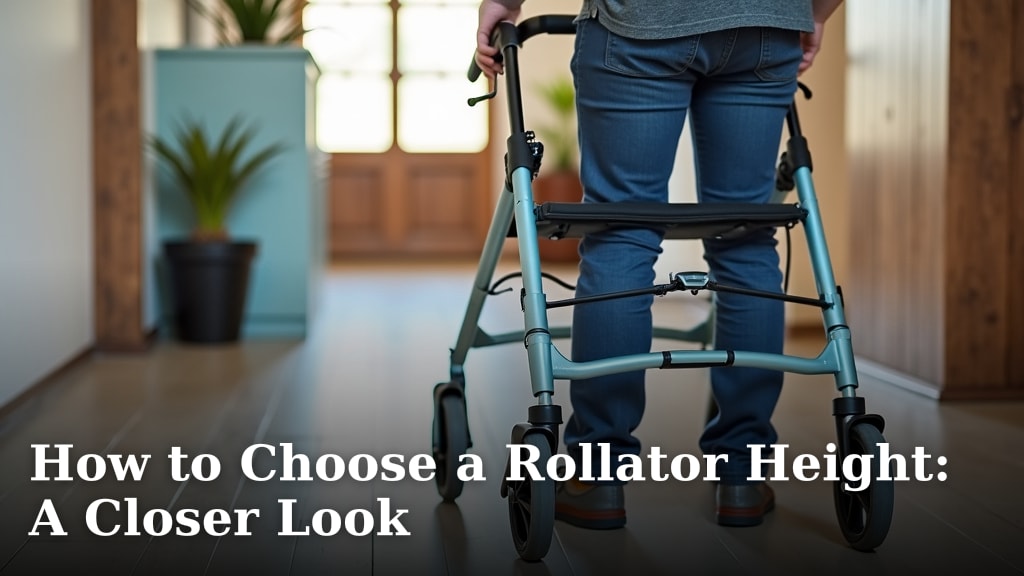
Choosing the right rollator height is essential for your comfort and safety. You should adjust your rollator so that its handles are level with your wrists when you stand up straight with your arms relaxed at your sides. This ensures you can maintain good posture and have proper support while walking. A rollator that’s too high or too low can make walking difficult and increase your risk of falling.
Getting the height just right is more than just a suggestion; it’s key to making your rollator a helpful mobility aid. When a rollator fits you properly, it supports your body weight correctly, preventing you from hunching over. This can also help reduce strain on your back and shoulders. We found that many users overlook this simple adjustment, often missing out on its full benefits.
- The ideal rollator height puts handles at wrist level.
- Stand straight with arms relaxed to measure.
- Too high or too low can cause falls.
- Proper height supports good posture and reduces strain.
Let’s walk through exactly how to measure and adjust your rollator for the perfect fit, ensuring it’s the best support possible for your daily movements.
Finding Your Rollator’s Sweet Spot: The Right Height Matters
Choosing the correct height for your rollator is more important than you might think. It directly impacts how you walk and how safe you feel. We’ve found that many people don’t adjust their rollator to their specific needs. This can lead to discomfort and even increase the risk of a fall. Let’s make sure your rollator is your best walking companion. Our guide to a four-wheeled rollator explains its features and benefits.
Why Rollator Height is a Big Deal
Think of your rollator as an extension of your body. When it’s set at the right height, it provides stable support. This allows you to stand tall and walk with confidence. If it’s too high, you might feel like you’re reaching too much. If it’s too low, you may find yourself bending or hunching over. Both can put extra strain on your back and shoulders. Many health professionals stress the importance of proper alignment for mobility aids (CDC).
The Science of Support: Posture and Stability
Your posture is key to balanced walking. A rollator that’s the correct height helps you maintain an upright position. This means your weight is distributed evenly. It also helps you keep your shoulders relaxed. When your rollator is too low, you might lean forward. This can disrupt your natural gait and make you feel less stable. Conversely, a rollator that’s too high forces you to raise your arms. This can lead to shoulder pain and fatigue over time. Proper height means your rollator works *with* you, not against you.
Avoiding the Fall Trap: Safety First
Falls can have serious consequences, especially for older adults. The wrong rollator height can make you more vulnerable. If your rollator is too low, you might trip over the wheels or the frame. If it’s too high, you might lose your balance because you can’t grip the handles firmly. We found that ensuring the handles are at the right level can significantly improve your sense of security when you’re out and about. It’s a simple adjustment that makes a big difference in preventing accidents.
How to Measure for the Perfect Rollator Height
Measuring for the right height is straightforward. You don’t need any special tools, just a few moments of your time. The goal is to find that sweet spot where your hands comfortably rest on the handles. Here’s how to do it:
Step-by-Step Measurement Guide
To get the most accurate measurement, follow these simple steps:
- Stand Up Straight: Find a clear space where you can stand comfortably.
- Relax Your Arms: Let your arms hang naturally at your sides.
- Wear Your Usual Shoes: The shoes you wear most often will affect your height.
- Measure to Your Wrists: Have someone help you measure from the floor to the crease of your wrist. This is the ideal handle height.
If you are measuring yourself, you can try to bend down and see where your wrist crease is. However, having a friend or family member help is usually more accurate. They can use a tape measure to get precise readings.
What to Do If You Don’t Have a Helper
If you can’t get help, you can still get a good estimate. Stand near a wall and let your arms hang. Mark where the crease of your wrist touches the wall. Then, carefully measure from the floor up to your mark. While not as precise as having someone else do it, this method can still give you a helpful number to work with.
Adjusting Your Rollator for the Ideal Fit
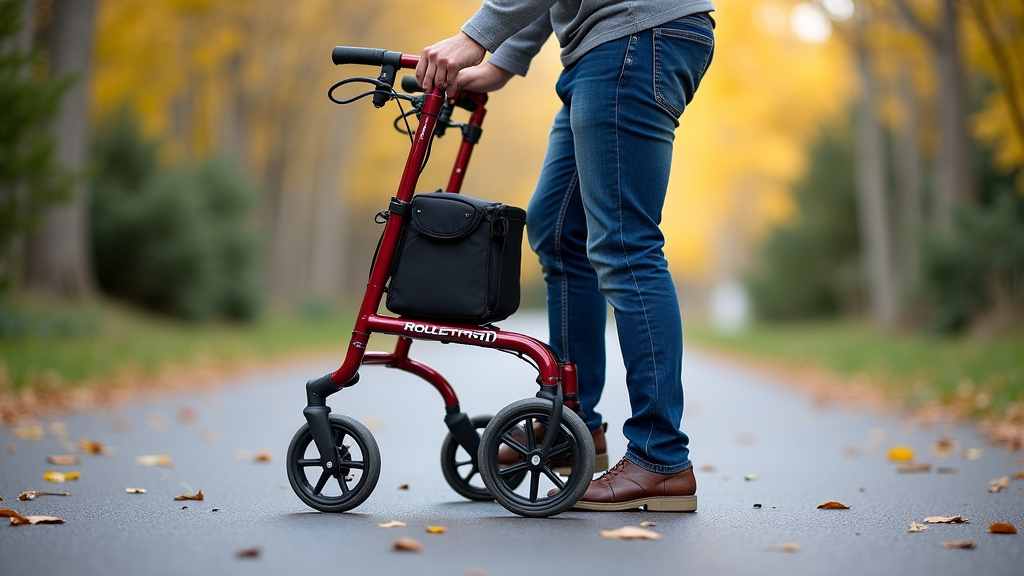
Most rollators are designed with adjustable handle heights. This feature is there for a reason! It allows you to fine-tune the fit. Once you know your ideal measurement, you can set your rollator accordingly.
Understanding the Adjustment Mechanism
Conclusion
You’ve learned that getting your rollator’s height just right is a simple step with big rewards. Proper adjustment means better posture, more stability, and a safer walking experience. It’s about making sure your mobility aid supports you effectively, reducing strain and preventing falls. Don’t guess your rollator’s height; take a few minutes to measure and adjust it today. Your comfort and confidence on the go are worth it.
Frequently Asked Questions
How do I know if my rollator is too high?
If you feel like you’re reaching too much or your shoulders feel tight when holding the handles, your rollator might be too high. You should be able to stand tall with relaxed arms. Your wrists should align with the handles without any upward strain.
Can a rollator that’s too low cause problems?
Yes, a rollator set too low can cause you to hunch over. This can put extra strain on your back and shoulders. It can also affect your balance and make it easier to trip over the frame or wheels.
What if my rollator doesn’t seem adjustable?
Most modern rollators are designed with adjustable height. Check the legs for buttons or levers that allow for height changes. If yours truly isn’t adjustable, you may need to consider a different model designed for your specific height needs.
Do I need special tools to adjust my rollator’s height?
Generally, no special tools are required. Most adjustable rollators use simple push-button mechanisms or levers on the legs. You should be able to make adjustments by hand.
How often should I check my rollator’s height?
It’s a good idea to re-check your rollator’s height periodically, especially if you notice any changes in your posture or comfort. Also, if you transport your rollator frequently, the settings might shift, so a quick check is wise.