How to Choose a Rollator with a 500 lb Capacity
A bariatric rollator rated for 500 lb must have a stated 500 lb or higher user capacity. Check the seat width and depth, frame clearance, handle fit, and instructions for sitting and braking before choosing.
On this page (7 sections)
- What does a 500 lb rollator capacity mean?
- How should the seat fit?
- Which other fit details should you measure?
- Which products fit the 500 lb requirement?
- How can you compare 500 lb and higher ratings?
- What should you check before using a rollator seat?
- How do you choose a bariatric rollator with a 500 lb capacity?
A bariatric rollator rated for 500 lb or more is the starting point when the user's weight is near 500 lb. Check the user capacity directly, then confirm the seat and frame fit the person using it.
A high weight rating alone does not tell you whether the seat is wide or deep enough, whether the handles adjust to a useful height, or whether the walker fits through the routes you use. Compare those details before choosing.
If you are still narrowing down overall fit, start with How to Choose the Right Size Rollator: What to Know. This guide focuses on capacity and seating for a higher weight requirement.
What does a 500 lb rollator capacity mean?
A stated 500 lb capacity is the maker's maximum user weight rating for that model, subject to its instructions. A rollator rated below the user's weight is not an appropriate match.
Check whether the specification refers to user weight or total load, including items carried in a pouch. When this is unclear, ask the maker before relying on the number.
Capacity describes a limit, not a guarantee that every person will find the rollator comfortable or easy to use. Seat dimensions, frame clearance, handle position and safe brake use also matter.
For a broader look at how ratings differ between models, read what to know about Medline rollator weight capacity. Use the capacity stated for the exact model you are considering.
How to check a bariatric rollator walker capacity
Look for a capacity statement tied to the exact model, then compare it with the user's weight. If the user is close to the limit, confirm the maker's guidance rather than assuming that a higher number on a similar-looking model also applies.
Make sure the model name and product details match across the frame, manual and purchase information. A brand may sell several rollators with different capacities.
Do not estimate capacity from frame material, wheel size, product weight or appearance. Those details do not replace the stated weight rating.
How should the seat fit?
A rollator seat should support the user without forcing them to perch on an edge or squeeze between the handles. Compare the seat's usable width and depth with the user's seated measurements.
Measure across the hips while seated and note how much room is needed to sit down and stand up. Then check the seat dimensions and any frame parts that could limit access.
A cushion can feel different from a bare frame, but don't assume a seat is wider or more supportive than its measured dimensions show. Ask the maker for exact measurements if they are not available.
Seat width is only part of the fit. Also check the seat height, backrest position if included, arm clearance and whether the user can place both feet securely while sitting.
For a plain-language overview of the category, see What Is a Bariatric Rollator? The Basics.
The label alone does not confirm that a particular seat will fit.
Which other fit details should you measure?
Check the rollator's overall width, handle height range and seat height against the person and the routes they use. A model that meets the weight requirement can still be awkward if it is too wide for a doorway or its handles do not adjust to a comfortable position.
Measure the narrowest doorway and hallway on common routes, including turns near furniture. Compare those measurements with the walker's full width, not only the width of its seat.
Confirm that the handles can be adjusted to a height that lets the user stand upright with a comfortable grip. Follow the maker's instructions for adjusting the handles and using the brakes.
Also consider where the rollator will be stored and how it will be moved. A heavier model may need help lifting into a vehicle, while a folding frame can take up less storage space when folded.
Which products fit the 500 lb requirement?
The three rollators below do not meet a 500 lb capacity requirement based on their stated capacities. They can help illustrate why checking the exact rating matters, but choose a different model if the user weighs about 500 lb.
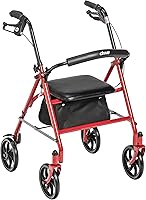
Drive Medical Rollator Walker with Seat
The Drive Medical Rollator Walker with Seat is listed with a 350 lb weight capacity, below the 500 lb target. Its steel frame, padded seat, fold-down backrest, height adjustment and under-seat pouch may be features to compare in models that meet the required rating.
Do not choose this model for a user who weighs 500 lb. See How to Choose a Rollator: A Simple Guide for other selection details, then verify the capacity of any alternative.
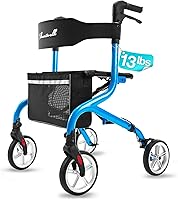
PLANET WALK Super Lightweight Rollator Walker
The PLANET WALK Super Lightweight Rollator Walker has a 300 lb maximum capacity, so it does not meet a 500 lb requirement. Its 18.5 in wide seat, adjustable handles and 13 lb frame are details to compare only when a model's capacity is suitable.
Do not rely on its seat width or lightweight frame to make up for the lower capacity. Choose a rollator with an adequate stated rating first.
Medline Steel Rollator Walker with Seat
The Medline Steel Rollator Walker with Seat supports up to 350 lb, which is below the target. Its 12 x 12 in padded seat, backrest, adjustable handles and folding steel frame provide comparison points when checking models rated for the user's weight.
This model is not suitable for a user weighing 500 lb based on its stated capacity. Compare seat and handle details on models that meet or exceed the user's weight.
How can you compare 500 lb and higher ratings?
Choose a rollator rated for the user's weight, then compare the fit and features among models that qualify. A higher capacity can provide a larger stated limit, but it does not automatically mean the seat or frame will fit better.
If the user's weight is above 500 lb, consider a model with a higher stated capacity. Our guides to bariatric rollators rated for 600 lb and bariatric rollator walkers rated for 700 lb cover those higher limits.
Compare each model using the same checklist:
| Check | What to confirm |
|---|---|
| User capacity | The exact model's rating meets or exceeds the user's weight |
| Seat | Usable width and depth fit the user's seated measurements |
| Frame clearance | The user can sit down and stand up without being crowded |
| Handle adjustment | The handles reach a suitable height and grip position |
| Overall width | The rollator fits doorways and regular routes |
| Brakes | The user can operate and lock them as directed |
| Storage and transport | The folded size and frame weight suit the home and vehicle |
Ask the maker to clarify missing measurements or unclear capacity wording. If you are comparing options with a care professional, bring the user's weight, seated measurements and doorway measurements.
What should you check before using a rollator seat?
Follow the model's directions for using the seat and parking brakes. On a rollator designed for seated rests, stop on stable ground and lock the brakes before sitting down or standing up.
Check that the walker is fully open and positioned securely before use. Don't sit while it is rolling, and don't treat a standard rollator as a transport chair unless its maker says it is designed for that use.
Ask a mobility professional to help assess fit and safe use if the user has trouble reaching the brakes, transferring to the seat or controlling the walker. The right capacity does not replace a safe setup.
How do you choose a bariatric rollator with a 500 lb capacity?
Choose a model whose stated user capacity is at least the user's weight, then confirm the seat dimensions, frame clearance, handle adjustment and overall width. These checks help narrow the options to models that can fit the person and their daily routes.
If the user weighs more than 500 lb, compare higher-rated models and verify their exact specifications. If they weigh less, choose a rating that covers their weight and prioritize a secure, comfortable fit.
Before ordering, ask the maker about unclear ratings or missing seat measurements. A rollator is a better match when both its stated capacity and its dimensions work for the user.
Frequently asked questions
Does a 500 lb capacity rollator support a 500 lb user?
A rollator with a clearly stated 500 lb user capacity is rated up to that amount under the maker's instructions. Confirm that the number applies to the user's weight, check whether carried items count toward the limit, and follow the maker's directions for sitting, standing and using the brakes.
Is a 350 lb rollator suitable for someone who weighs 500 lb?
No. A 350 lb capacity is below a 500 lb user's weight, so choose a rollator whose stated user capacity meets or exceeds the user's weight.
Ask the maker or a mobility professional to clarify any uncertainty about how the rating applies.
How wide should a bariatric rollator seat be?
Choose a seat that lets you sit fully on the cushion with room to position yourself comfortably. Compare the seat's usable width and depth with your seated measurements, and check the frame and arm clearance too.
Ask the seller or maker for dimensions if they are missing.
Can you sit on a rollator while it is moving?
A rollator seat is for resting while the walker is stationary. Follow the maker's instructions, set both parking brakes before sitting, and make sure the walker is on stable ground.
Don't use the rollator as a transport chair unless the model is designed for that purpose.
Should I choose a 600 lb rollator instead of a 500 lb model?
Choose a model rated for the user's weight, with a suitable seat and fit. A 600 lb rating provides a higher stated limit than 500 lb, but the frame dimensions, seat comfort, handling and directions still need to match the user.
Compare models using their maker's specifications.