How to Choose the Right Size Rollator: What to Know
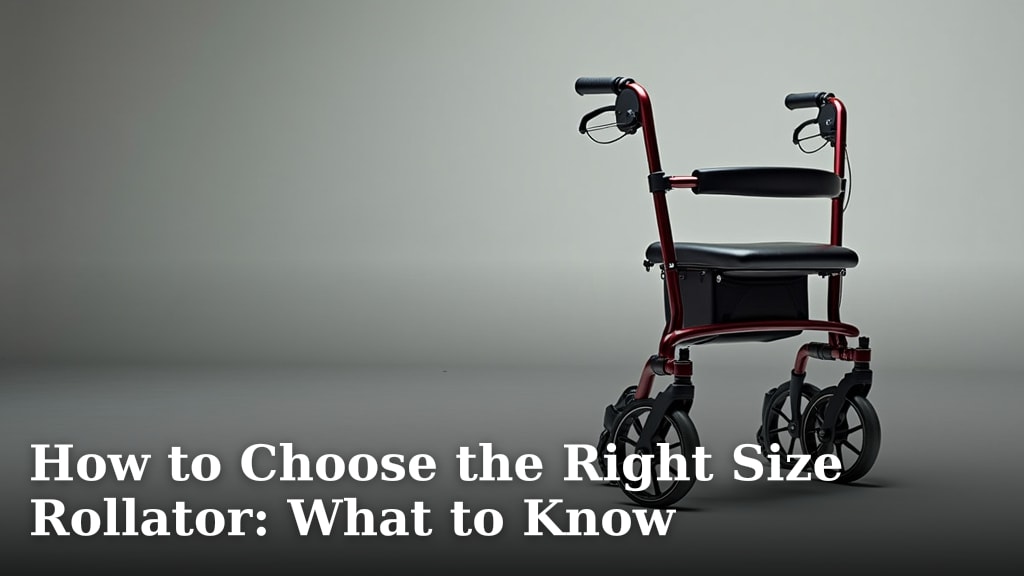
Choosing the right size rollator means you’ll get the best support and comfort for walking. A rollator that’s too tall will hurt your back, and one that’s too short can make you stumble. Getting the correct height ensures you can stand up straight while using it.
We found that most people need a rollator that allows their elbows to bend slightly when they hold the handles. This helps you maintain good posture and control. Thinking about your height and stride length is key to finding a rollator that feels just right for you.
- Height is King: A rollator should let you stand tall with a slight elbow bend.
- Measure Up: Use your height to help find the right rollator size.
- Handle Height Matters: Incorrect handle height can cause discomfort or balance issues.
- Test if Possible: If you can, try a rollator before you buy it.
Let’s walk through exactly how to measure for and choose the perfect size rollator for your needs. Let’s walk through exactly how a four-wheeled rollator works and what you should look for when choosing one.
Finding the Right Rollator Size for Better Support
Choosing the correct size rollator is essential for your safety and comfort. A rollator that doesn’t fit can actually cause more problems than it solves. We’ve found that getting the size right ensures you get the best support for walking and standing.
Think of it like finding the right pair of shoes. If they pinch or are too loose, you won’t be able to walk far without discomfort. The same is true for a rollator. When it’s sized correctly, it becomes a reliable partner, not a hindrance. It helps you maintain good posture and reduces strain on your body. Understanding the difference between a rollator or walker is key to choosing the right mobility aid.
How to Measure for Your Ideal Rollator Height
The most critical measurement for a rollator is the handle height. This directly impacts your posture and how much effort you need to use. We found that most people need a handle height that allows their elbows to bend just a bit.
The Ideal Elbow Bend Explained
When you’re standing up straight and holding the rollator handles, your elbows should have a slight bend, around 15 to 20 degrees. This is similar to the natural bend when you walk without any assistive device. It allows your shoulders to stay relaxed and your back to remain straight.
If your elbows are locked straight, the rollator is likely too tall. This puts strain on your shoulders and back. It can also make it harder to steer and control the rollator effectively. You might feel like you’re reaching too far forward.
On the flip side, if your elbows are bent too much, the rollator is probably too short. This forces you to hunch over. Hunching can lead to neck and back pain. It also makes it harder to walk with a natural stride, increasing your risk of tripping or falling.
Quick Height Measurement Method
Here’s a simple way to determine the right handle height for you. You’ll need a tape measure.
- Stand tall with your feet flat on the floor.
- Let your arms hang naturally at your sides.
- Have someone else measure the distance from the floor to the middle of your wrist bone. This is your ideal handle height.
Many rollator manufacturers provide a recommended height range for their models. Compare your measurement to these ranges. Most rollators are adjustable, so you’ll have some flexibility. But it’s best to start with a model that offers your ideal height or is easily adjustable to it.
Understanding Rollator Size Categories
Rollators generally come in a few standard size categories. These are often based on the overall height range they can accommodate. We found that most retailers group them into petite, standard, and tall sizes.
Petite or Junior Rollators
These are designed for individuals who are shorter. They typically have a lower maximum handle height. If your measured height falls into the lower end of the spectrum, a petite model might be your best bet.
Standard Rollators
This is the most common size. It fits a wide range of users. The adjustable handles usually cover a middle range of heights. If your measurement falls within the average range, a standard rollator will likely work well.
Tall or Bariatric Rollators
These are built for taller individuals or those who need a wider, sturdier frame. They offer a higher maximum handle height and often have a larger weight capacity. If you are over 6 feet tall, you’ll want to look at these models.
Other Important Sizing Considerations
Beyond just the handle height, a few other factors contribute to finding the right fit. These can affect your overall stability and how easy the rollator is to use in different situations.
Seat Height and Width
If your rollator has a seat, its height is also important. When you sit down, your feet should be flat on the floor and your knees should be at about a 90-degree angle. Too high or too low a seat can make it difficult to stand up.
The width of the seat matters too. You should be able to sit comfortably without feeling squeezed. Some users may need a wider seat for added comfort. We found that many rollators offer different seat widths, so check the specifications.
Wheel Size and Type
The wheels on a rollator affect how it handles different terrains. Smaller wheels (around 6 inches) are good for indoor use on smooth surfaces. Larger wheels (8 inches or more) are better for outdoor use and can handle cracks, grass, and uneven ground more easily.
Some wheels are solid, meaning they won’t go flat. Others are pneumatic, like bike tires, offering a smoother ride but requiring maintenance. The best type depends on where you plan to use your rollator most often.
Overall Width and Depth
Consider the width of the rollator. Will it fit through doorways and tight spaces in your home? Many standard rollators are designed to be around 25 inches wide, but some can be wider. Always measure your doorways if this is a concern.
The depth of the rollator when it’s open also matters. You don’t want to be bumping into it with your legs as you walk. A good fit means you can walk naturally without feeling restricted.
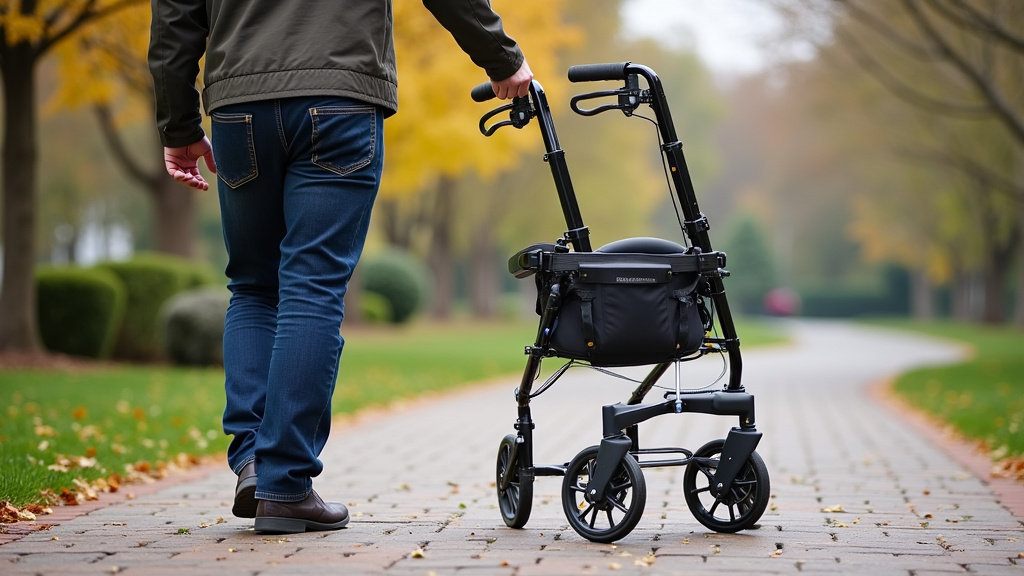
When to Seek Professional Advice
While measuring yourself is a great start, sometimes a professional opinion can be very helpful. If you have complex mobility needs or are unsure about sizing, don’t hesitate to ask for help.
Consulting Your Doctor or Therapist
Your doctor or a physical therapist can assess your specific needs. They can help you determine the exact dimensions that will work best for you. They might even have suggestions for specific rollator types or features to look for.
Many healthcare professionals are familiar with assistive devices. They can offer expert advice tailored to your condition and lifestyle. This can save you time and potential discomfort down the line. We found that this step is often overlooked but can be incredibly beneficial.
A Quick Checklist for Rollator Sizing
Here’s a handy checklist to make sure you’ve covered all the bases when choosing your rollator size:
- Measure your height and compare it to manufacturer recommendations.
- Determine your ideal handle height with the elbow bend test.
- Check the seat height to ensure a comfortable 90-degree knee bend when seated.
- Consider the seat width for proper comfort and support.
- Think about where you’ll use it to choose the right wheel size.
- Measure doorways if you’re concerned about the rollator’s width.
Taking these steps will help ensure your new rollator provides the best possible support and enhances your mobility.
Conclusion
Choosing the correct rollator size is essential for your mobility and well-being. You’ve learned that proper handle height, with a slight elbow bend, is key to good posture and control. Remembering to measure your ideal height and consider other factors like seat comfort and wheel type will help you make the best choice. By following these steps, you ensure your rollator supports you safely and effectively. Your next step is to use your measurements to compare rollator models, paying close attention to their adjustable height ranges and overall dimensions.
Frequently Asked Questions
What if my height falls between two rollator sizes?
If you’re between sizes, it’s usually best to choose the model that can adjust lower. This ensures you can achieve that ideal slight bend in your elbows. You can then raise the handles to the correct height. Always prioritize models with adjustable handles for the best fit.
How do I know if a rollator seat is the right height for me?
When sitting on the rollator, your feet should rest flat on the floor, and your knees should form a roughly 90-degree angle. This position allows you to stand up easily. If the seat is too high or too low, it can make getting up more difficult.
Can I use a rollator that’s not adjustable?
While some rollators are not adjustable, they are less common. For most people, adjustable handles are a must-have feature. This flexibility allows you to fine-tune the height for optimal comfort and support. Non-adjustable models might only work if they happen to be your exact perfect height.
Are indoor and outdoor rollators sized differently?
The primary sizing factor, handle height, remains the same regardless of intended use. However, rollators designed for outdoor use often have larger wheels and a wider stance for stability on various terrains. You’ll still need to ensure the handle height is correct for your body.
What if I can’t measure my own wrist height accurately?
If you have difficulty performing the measurement yourself, ask a friend, family member, or caregiver to assist you. A healthcare professional like a physical therapist can also help determine the correct handle height during an appointment. Accurate measurement is vital for comfort and safety.