What to Consider Before Getting a Rollator?
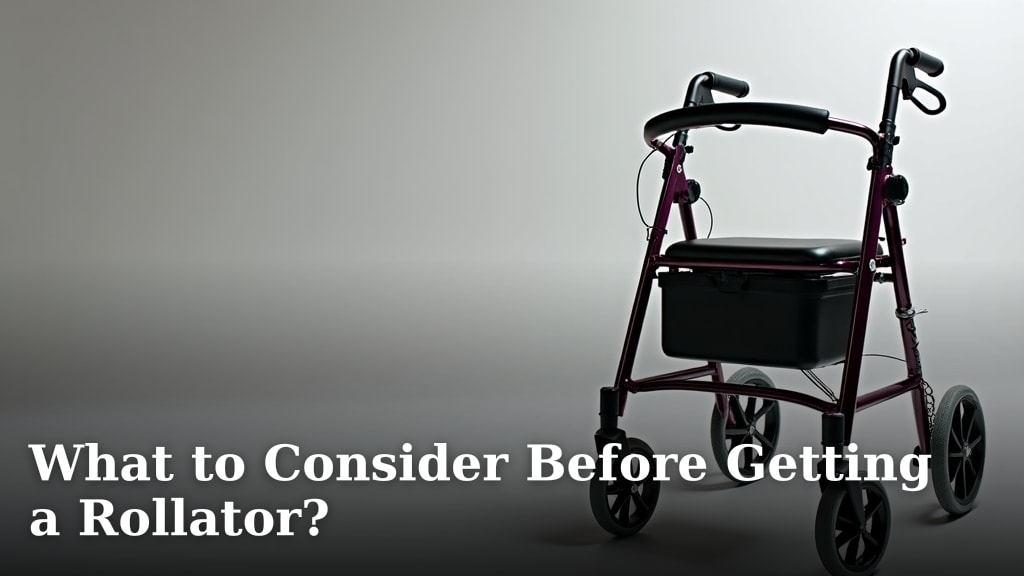
Deciding if a rollator is right for you involves considering a few key factors. A rollator can offer Deciding if a rollator is right for you involves understanding how it differs from a standard walker.great stability and mobility support for those who need it. However, it’s important to ensure it fits your lifestyle and specific needs before you buy. Think about where you’ll use it most often.
We found that understanding the different types available is also a smart move. From lightweight models for easy transport to sturdy ones for outdoor adventures, there’s a lot to explore. Matching the rollator’s features to your daily activities and physical condition makes all the difference. Your comfort and safety are the top priorities here.
- Check if it supports your walking needs.
- Consider where you’ll use it most.
- Think about portability and storage.
- Ensure it’s the right height for you.
- Look at the types of wheels and brakes.
Before you make a choice, let’s walk through exactly what you should be thinking about. We’ve gathered the important points to help you find the best rollator for your situation.
Choosing the Right Rollator Walker for Your Needs
Deciding on a rollator walker is a big step toward regaining independence and confidence. It’s not just about picking the first one you see. We found that a little bit of planning makes a world of difference. Let’s look at what you should consider to find the perfect fit for you.
Understanding Your Mobility Requirements
Before you even start browsing, think about why you need a rollator. What specific challenges do you face when walking? Do you need support for balance, or do you get tired quickly and need to sit down often? Understanding these core needs is the first and most important step.
Assessing Your Balance and Stability Needs
Many people use rollators because they worry about falling. If you feel unsteady on your feet, a rollator offers a stable frame to lean on. It gives you a wider base of support than a cane or crutches. This can make you feel much safer when you’re walking around your home or out and about. Many guidelines point to good balance support as a primary reason for using mobility aids (CDC).
Considering Your Endurance and Fatigue Levels
Do you find yourself needing to rest after just a short walk? A rollator walker comes with a built-in seat. This is a huge benefit. It means you can take a break whenever you need to, without having to look for a chair. This can help you stay active longer and travel further than you might otherwise. Many older adults find this feature allows them to participate more in daily life (NIH).
Where Will You Use Your Rollator Most?
The places where you’ll use your rollator have a big impact on the type you should choose. Think about your daily routine. Are you mostly indoors, or do you spend a lot of time outdoors?
Indoor Use Considerations
If your rollator will be used mostly inside your home, you might want a model that’s narrow and lightweight. This makes it easier to navigate tight spaces like hallways, bathrooms, and kitchens. Look for smooth-rolling wheels that won’t damage your floors. Some models have special features for indoor use, like smaller wheels or a more compact design.
Outdoor Use Considerations
For outdoor adventures, you’ll need a rollator that can handle different terrains. Think about sidewalks, grass, gravel, and uneven paths. Larger wheels with good tread offer better traction and a smoother ride over bumps. We found that a sturdy frame is also important for outdoor use, providing more stability on varied surfaces. Some outdoor rollators have shock-absorbing features to reduce jarring.
Travel and Portability Needs
If you plan to travel with your rollator, portability is key. You’ll need to consider how easily it folds for transport in a car or for storage. Some rollators fold compactly, while others are quite bulky. We found that many lightweight models are designed for easy folding and carrying. Check the weight of the rollator itself, too, if you need to lift it often.
Key Features to Look For in a Rollator
Rollators come with a variety of features. Understanding these can help you narrow down your choices to find one that best suits your needs.
Size and Height Adjustments
Getting the right height is essential for comfort and proper posture. An improperly adjusted rollator can cause strain. Most rollators have adjustable handles. You should be able to stand up straight with a slight bend in your elbows when your hands are on the handles. Many experts suggest the handle height should be about waist-high for most users (Mayo Clinic).
How to check for proper height:
- Stand up straight.
- Let your arms hang naturally at your sides.
- Measure from the floor to your wrist.
- The rollator handles should be roughly at this height.
Wheels: Size and Type
The wheels can make a big difference in how your rollator performs. Smaller wheels (around 6 inches) are great for indoor use and tight spaces. They are easier to maneuver around furniture. Larger wheels (8 inches or more) are better for outdoor use. They can roll over obstacles like cracks in the sidewalk or small bumps more easily.
Some rollators offer pneumatic tires, similar to bicycle tires. These can offer a more comfortable ride, especially on uneven surfaces, as they absorb shock. However, they can also be heavier and may require maintenance. Standard solid wheels are maintenance-free and generally lighter.
Brakes: Handbrakes vs. Push-down Brakes
Brakes are your safety net. Most rollators have handbrakes, similar to those on a bicycle. These allow you to slow down or stop the rollator smoothly. They are usually easy to operate with your fingers. Many handbrake systems also have a lock feature. This keeps the rollator from rolling when you are sitting on the seat.
Some models might have push-down brakes. These are engaged by pushing the brake lever down. They are often simpler but might require more force. We found that handbrakes are generally preferred for their ease of use and control.
Seat and Backrest Comfort
If you plan to use the seat often, comfort is a major factor. Look for a seat that is wide enough and comfortable to sit on for a reasonable amount of time. Some seats are padded, while others are made of plastic or nylon. If you have back pain or need extra support, a rollator with a padded backrest can be a great addition.
Weight Capacity and Material
Make sure the rollator you choose can support your weight. Check the manufacturer’s specifications for the maximum weight capacity. Rollators are typically made from aluminum or steel. Aluminum models are generally lighter, making them easier to lift and maneuver, but they might be less sturdy than steel ones. Steel rollators are often more durable but heavier.
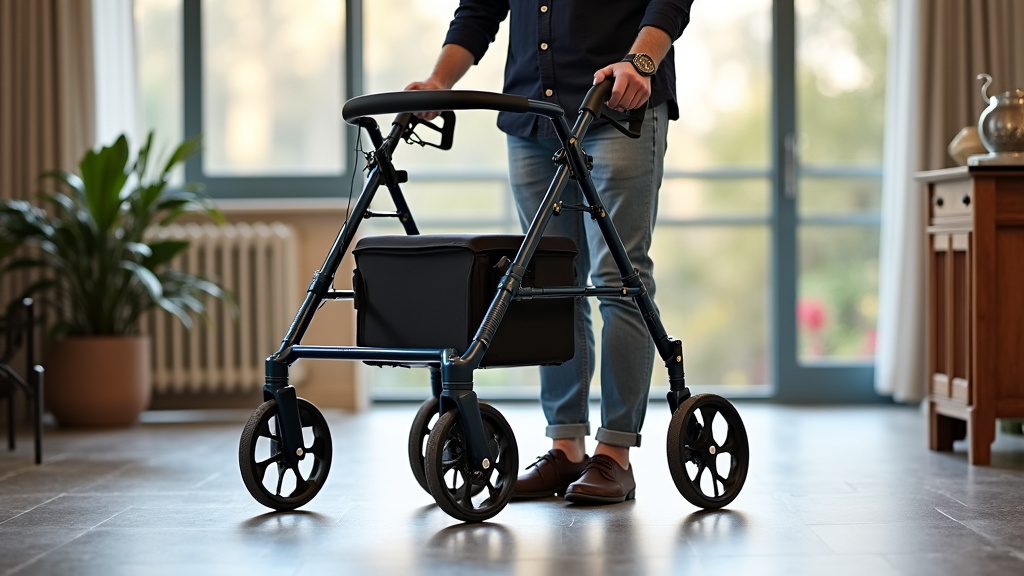
Considerations for Storage and Transport
Where will you store your rollator when you’re not using it? How will you get it into your car or onto public transport?
Folding Mechanisms
Different rollators fold in various ways. Some fold flat, making them easy to slide into a car trunk. Others fold inward, creating a more compact shape. Test the folding mechanism if possible, or watch videos online. You want a system that is easy for you to operate safely without too much strain.
Weight of the Rollator
As mentioned, the weight of the rollator itself is important. If you have limited upper body strength, a lighter model will be much easier to manage. Lifting it into a car or carrying it up a step can be challenging with a heavier unit. We found that many aluminum rollators weigh under 20 pounds, which is quite manageable for many users.
Accessories That Can Enhance Your Rollator
Many rollators can be customized with accessories to make them even more useful for your lifestyle. Think about what you carry regularly.
- Bags and Pouches: These are great for carrying essentials like a wallet, phone, keys, or a water bottle. Many come with the rollator, or you can purchase them separately.
- Cup Holders: A simple but handy accessory if you like to have a drink with you.
- Light Attachments: For added safety when walking in dim light or at night.
- Trays: Some rollators can be fitted with a tray, turning them into a mobile table for meals or activities.
Making Your Final Decision: A Quick Checklist
Before you commit to a rollator, run through this quick checklist. It helps ensure you haven’t missed any important details.
- Does it provide the right amount of balance support for you?
- Can you easily adjust the handle height for your comfort?
- Are the wheels suitable for the surfaces you’ll use it on?
- Are the brakes easy for you to operate and lock?
- Is it a comfortable height and width for your sitting breaks?
- Is it easy to fold and store where you need it to be?
Taking the time to consider these points can lead you to a rollator that truly supports your mobility and enhances your daily life. You deserve a mobility aid that makes you feel safe, comfortable, and independent.
Conclusion
You’ve learned a lot about choosing the right rollator. Remember, it’s about finding a tool that supports your specific needs. Think about where you’ll use it most, how it fits your body, and what features will make your life easier. We found that taking your time with these considerations prevents future frustration. Your comfort and independence are worth the careful planning.
Your next step is to visit a medical supply store or talk to your doctor. You can try out different models to see what feels best. This personal experience is key to making a confident choice.
Frequently Asked Questions
How do I know if a rollator is the right height for me?
Stand up straight with your arms relaxed at your sides. Measure from the floor to your wrist. Your rollator’s handles should be roughly at this height, allowing a slight bend in your elbows. Getting this right ensures better posture and comfort.
What’s the difference between indoor and outdoor rollator wheels?
Smaller wheels are better for smooth indoor floors and tight spaces. Larger wheels, often with deeper treads, handle uneven outdoor surfaces like grass or gravel better. Some people opt for larger, air-filled tires for a smoother outdoor ride.
Are handbrakes or push-down brakes better on a rollator?
Most users find handbrakes easier to use for slowing down and stopping. Handbrakes often include a locking feature, which is important for safety when you sit on the seat. Push-down brakes are simpler but might require more effort to engage.
How much weight can a rollator typically hold?
Rollator weight capacities vary, but many common models can support between 250 to 350 pounds. Always check the manufacturer’s specifications for the exact weight limit of the model you are considering. Ensure it safely supports your needs.
Can I take my rollator on an airplane?
Many lightweight, foldable rollators can be taken on airplanes. You’ll typically need to fold it up and check it with your luggage or bring it to the gate where it can be stowed. It’s best to confirm the airline’s specific policy beforehand.