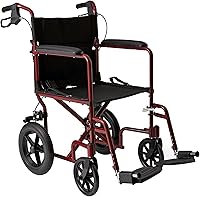
How Much Do Standard Wheelchairs Weigh?
A standard manual wheelchair often weighs about 30 to 40 lb. Lightweight transport chairs can weigh less, while steel frames, larger seats, and extra hardware can add weight.
On this page (8 sections)
- How much do standard wheelchairs weigh?
- Why does wheelchair weight matter for storage?
- Which lighter transport chairs are easier to lift?
- How heavy is a standard folding wheelchair?
- What affects the weight of a wheelchair?
- How should you compare wheelchair weight?
- Which wheelchair type fits your storage needs?
- What is the simple weight rule?
A standard manual wheelchair often weighs about 30 to 40 lb. Lightweight transport chairs can weigh less, while steel frames, larger seats, full-size wheels, footrests, and extra hardware can increase the total.
That range is a helpful starting point, not a promise for every model. Two chairs can sit in the same weight range yet feel very different to lift because of where the weight sits and how the chair folds.
Weight matters most when you need to lift the chair into a car, carry it over a threshold, or store it between uses. A chair that seems light on a spec sheet can still be awkward if its folded shape catches on a door frame or its footrests swing into the way.
It also affects how easily a caregiver can handle the chair during appointments and outings. Frequent short trips to a clinic or a family visit place more demand on handling than occasional use at home.
For daily use, think about who will lift the chair and how often that will happen. A caregiver who loads a chair into a trunk several times a week needs a different balance of weight and features than someone whose chair mostly stays in one room.
Seat size and construction also shape the total. A wider seat, padded armrests, larger wheels, and adjustment parts each add a little weight, and those small additions add up across the whole chair.
The aim is to match weight to real life rather than chase the lowest number. The lightest chair will not help if its seat, transfers, or movement style do not suit the person using it.
How much do standard wheelchairs weigh?
Most standard manual wheelchairs weigh roughly 30 to 40 lb, although the exact number depends on the frame, seat, wheels, and removable parts. A basic chair may be easier to lift than a model with a wider seat or heavier construction.
A standard manual wheelchair usually has large rear wheels that let the seated user help move the chair. A transport chair generally has smaller wheels and is pushed by a caregiver, so the two types should not be compared by weight alone.
Our guide to how much do wheelchairs weigh covers the wider range of wheelchair weights and the parts that affect it.
Why does wheelchair weight matter for storage?
A lighter wheelchair is usually easier to lift, fold, and place in a vehicle. That can matter more than a small difference in rolling weight if the chair will be carried often.
Storage is a daily habit, not a one time task. A chair that is hard to fold or place away may get left in a hallway, which creates a tripping risk for everyone at home.
Measure the trunk opening, doorway, and storage shelf before choosing. A chair can fold flat yet still be awkward if its folded width or length does not fit your available space.
Also check the path from the chair to the vehicle. Steps, narrow turns, and a high trunk lip can matter as much as the chair weight on paper.
The best wheelchairs for adults guide can help you compare chair types, seat needs, and everyday use before focusing only on pounds.
When storage is tight, folding speed and folded dimensions deserve close attention. A chair that folds in seconds and fits a closet or corner will be easier to keep out of the way between outings.
Which lighter transport chairs are easier to lift?
A folding transport chair can be a practical choice when a caregiver will push the user and frequent vehicle storage matters. The products below are transport chairs or folding wheelchairs with features that affect handling and storage.
Drive Medical Folding Transport Wheelchair
The Drive Medical Folding Transport Wheelchair weighs 26 lb and has a compact folding frame, 8-inch wheels, a 17-inch padded nylon seat, padded armrests, swing-away footrests, and a fold-flat backrest.
This chair suits someone who needs caregiver-assisted mobility for outings, appointments, or short trips. Its steel frame gives it a different handling feel from an aluminum transport chair, while the folding frame helps reduce storage bulk.
The swing-away footrests can make transfers easier because they move out of the way. Keep the folded chair in a dry storage area, and wipe the nylon seat clean as needed.
Medline Lightweight Foldable Transport Wheelchair with Handbrakes
The Medline Lightweight Foldable Transport Wheelchair has a sturdy aluminum frame, hand brakes, rear-wheel manual locking brakes, 12-inch rear wheels, a 19 in wide by 16 in deep seat, swing-away detachable footrests, and easy-clean nylon upholstery.
Its larger rear wheels may help with maneuvering around doorways, corners, and ramps. The hand brakes give the caregiver a way to control movement, while the rear-wheel locks help keep the chair still during transfers.
This model fits readers who want a foldable transport chair with more caregiver controls. Check the assembled and folded dimensions against your vehicle before ordering.
How heavy is a standard folding wheelchair?
A standard folding wheelchair can weigh more than a transport chair because it may use a heavier frame and larger self-propelling wheels. That extra structure can support a different style of use, but it may make lifting harder.
Medline Comfortable Folding Wheelchair with Swing-Back Desk-Length
The Medline Comfortable Folding Wheelchair weighs 38 lb and has a high-strength hammertone frame, a 20 in wide by 16 in deep seat, padded armrests, nylon seating, swing-back desk-length arms, swing-away footrests, dual axles, and smooth tires.
The swing-back arms can help with lateral transfers and positioning beside a desk or table. Its 300 lb weight capacity and 38 lb chair weight make it a heavier option than the two transport chairs above.
Choose this type when self-propelled wheelchair features and desk access matter more than carrying weight. The folded width is 11.5 in, but you should still measure the full storage area and lifting path.
What affects the weight of a wheelchair?
The frame, wheels, seat width, footrests, armrests, and adjustment hardware all affect wheelchair weight. Steel often adds weight, while aluminum frames can reduce it, as shown by the lighter Medline transport chair.
Seat width also matters because a wider seating area can require a larger frame. Footrests and armrests add useful support, but removable or swing-away parts may change how you lift and store the chair.
Wheel size affects handling as well as weight. Larger wheels can help with certain surfaces and obstacles, while smaller transport-chair wheels keep the chair focused on caregiver pushing.
How should you compare wheelchair weight?
Compare total chair weight with the way you will move, store, and use it every week. A 26 lb transport chair may suit frequent car trips, while a 38 lb folding wheelchair may better fit someone who needs its wheelchair-style features.
Use this checklist:
- Confirm whether the chair is caregiver-pushed or self-propelled.
- Check the chair's total weight, not only its frame weight.
- Measure the folded width, length, and height.
- Consider whether footrests detach or swing away.
- Check the seat width and depth for the intended user.
- Plan how one person will lift it safely.
- Review the weight capacity separately from the chair's own weight.
A light chair is not automatically the best chair. Read how to properly use a wheelchair for transfer, braking, and everyday handling guidance.
Which wheelchair type fits your storage needs?
Choose a lighter folding transport chair when caregiver pushing and vehicle storage are the main needs. Choose a standard folding wheelchair when the user needs large rear wheels, self-propelling movement, or features such as desk-length arms.
The Drive Medical model suits readers who want a 26 lb folding transport chair with a padded 17-inch seat and fold-flat backrest. The Medline transport chair suits caregivers who want hand brakes, 12-inch rear wheels, and a 19-inch seat.
The heavier Medline folding wheelchair suits users who need its 20-inch seat, swing-back desk-length arms, and wheelchair-style movement. For another comparison of mobility choices, see Rollator vs Standard Walker: For Seniors and Rollator vs Wheelchair: A Senior’s Guide.
For readers comparing related options, our guides to the best Drive Medical transport chair and best Jazzy mobility scooter cover other mobility equipment categories.
What is the simple weight rule?
Pick the lightest chair that still matches the user's movement, seat, transfer, and support needs. For frequent lifting, start with a folding transport chair near the mid-20 lb range; for self-propelled use and added wheelchair features, accept more weight when those features solve a real need.
Start with movement style before you compare pounds. A caregiver pushed transport chair serves a different purpose from a standard manual wheelchair that the seated user moves with large rear wheels.
Then look at transfers and seating. Swing away footrests, armrest height, seat width, and seat depth affect whether a chair works in daily life, even when its total weight looks attractive.
Set up also matters for care and comfort. Check that footrests adjust or swing clear, that brakes are easy to reach, and that the seat can be wiped clean between uses.
Honest trade offs are part of the choice. A lighter chair may have smaller wheels or a narrower seat, while a heavier chair may offer features that make transfers or desk use safer and easier.
Always measure the vehicle and storage area, and plan the lifting method before buying. Try a careful lift at home with a practice object of similar weight if that helps you judge what feels manageable.
Clean the seat and frame regularly and keep moving parts free of debris. Simple care helps the chair fold smoothly and keeps it ready for the next outing.
If you are choosing between caregiver-pushed transport seating and a standard manual chair, use the transport chair vs wheelchair comparison next.
That comparison helps you weigh lifting against movement, support, and seat comfort. A clear match on those points will lead to a chair you can store, carry, and use with less strain.
Frequently asked questions
How much does a standard wheelchair weigh?
A standard manual wheelchair often weighs about 30 to 40 lb, depending on its frame, seat size, wheels, footrests, and other parts. Lightweight transport chairs may weigh less, but you should check the chair's listed weight before planning to lift it into a vehicle or carry it up steps.
Is a 26 lb wheelchair considered lightweight?
Yes, a 26 lb chair is generally easier to lift and store than a heavier standard manual wheelchair. Weight is only one part of the choice, so also check whether the chair is self-propelled or caregiver-operated, how it folds, and whether its seat and footrests suit the user.
What makes a wheelchair heavier?
Steel frames, larger seats, full-size wheels, padded parts, footrests, and extra adjustment hardware can all add weight. A heavier chair may feel more stable during handling, but it can be harder to lift into a trunk, carry through a home, or store in a closet.
Is a transport chair the same as a standard wheelchair?
No. A transport chair is usually designed for a caregiver to push, while a standard manual wheelchair is commonly designed for the seated user to move with large rear wheels.
Compare the differences in our guide to transport chair vs wheelchair before choosing one.