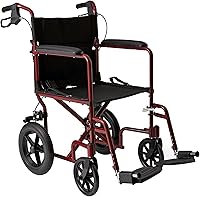
What Is a Hemi Height Wheelchair?
A hemi height wheelchair has a lower seat height that can help a shorter user or someone who moves the chair with their feet. Choose the seat height only after checking leg length, foot placement, transfers, and cushion thickness.
On this page (6 sections)
A hemi height wheelchair has a lower seat height that can help a shorter user or someone who moves the chair with their feet. The right choice depends on leg length, cushion thickness, transfer needs, and whether the chair is self-propelled or caregiver-propelled.
For many seniors, the question is not how low a chair can go, but how the whole chair works in a real room. A lower seat changes posture, reach, and the way weight shifts during a transfer.
Leg length matters because the knee joint sets the natural height for foot contact. If the seat is too high, the heel lifts and the chair may feel unstable during small movements.
Cushion thickness matters because a thick cushion adds height after the chair has already been chosen. A chair that seems low on paper can sit higher in daily use once padding is added.
Transfer needs matter because standing up from a lower seat can require more effort from the arms and legs. A user who needs help from a caregiver may prefer a height that matches the bed or sofa more closely.
Propulsion type matters because a self-propelled chair and a transport chair serve different purposes. Large rear wheels support independent movement, while smaller wheels are made for a caregiver to push.
A lower seat can improve foot contact with the floor, but it also changes how the user transfers, reaches the hand rims, and positions the feet on footrests. Compare the chair's complete fit rather than choosing by the word “hemi” alone.
Footrest position deserves attention even when the goal is floor contact. During longer trips, supported feet are often more comfortable than feet dragging or hovering above the floor.
Seat width and depth also shape comfort, because the hips and thighs need enough support without pressure behind the knees. A chair can have the right height and still feel wrong if the seat is too narrow or too deep.
Doorway clearance and turning space should be checked before a chair is ordered for home use. A lower seat does not help if the chair cannot pass through the rooms where it will be used most.
Daily routines give the best clue about which features matter most. Short indoor trips, medical appointments, family visits, and car rides each place different demands on the chair.
If you are still comparing basic chair styles, start with our guide to manual wheelchair types. For broader sizing help, see our guide to the best wheelchairs for adults.
Use those guides to narrow the category first, then focus on height and fit. That order reduces the chance of buying a chair that solves one problem while creating another at home.
What does hemi height mean on a wheelchair?
Hemi height means the seat is positioned lower than a standard wheelchair seat. This lower position is intended to help some users reach the floor with their feet while seated.
The word hemi comes from the idea of a half height compared with a typical chair. In practice, manufacturers do not all use the same measurement, so the label alone cannot tell you the exact fit.
A user may use the feet to make small movements, turn, or help control the chair. This can be useful when arm strength is limited or when the user prefers foot propulsion for short indoor distances.
Foot propulsion works best on smooth indoor floors where the feet can slide, step, and steer without catching on rugs. Thick carpet, thresholds, and outdoor surfaces can make the same movement much harder.
The position of the knees is a useful check during a fitting. Knees that sit near level with the hips usually allow more comfortable foot movement than knees pushed sharply upward.
A seat that is too low can also make it harder to reach forward or to use the arms for balance. Some users need to lean more, and that extra effort can become tiring over a day.
Hemi height does not describe one universal measurement. Seat height varies by chair design, rear wheel size, cushion thickness, and whether the height is measured with or without a cushion.
Rear wheel size has a direct effect because larger wheels raise the rear of the chair under the seat. Two chairs with the same frame can therefore sit at different heights on the same cushion.
The term also does not guarantee that a chair will fit every shorter adult. Your knees, feet, hips, and transfer surface should all be considered together.
Footwear should be part of the decision, since shoes change both height and grip. A user who wears slippers at home may need a different setup from a user who wears outdoor shoes.
Hip position matters because a low seat can bring the thighs forward and change how the user sits at a table. Desk height, armrest height, and leg clearance may all need a second look.
The term also does not describe the quality of the chair or the comfort of the seating. Padding, back support, armrests, brakes, and folding design still need to match daily use.
Why choose a lower hemi wheelchair height?
A lower hemi wheelchair height may help with foot contact, transfers, and seated stability for the right user. It can be useful in homes where the user needs to move short distances without relying fully on the arms.
Foot propulsion works best when both feet can reach the floor with a comfortable knee angle. If the seat is too high, the feet may dangle or touch only with the toes.
When only the toes reach, movement becomes slow and steering feels uncertain. The user may also twist the hips or lean to one side to reach the floor.
If it is too low, the knees may rise too much and transfers may become harder. Standing up can require lifting the body from a deeper sitting position, which may strain the arms.
A lower seat can also make the chair feel closer to a low sofa or bed. That may help some transfers, but the difference in height between the chair and the transfer surface still matters.
Transfers are easier when the chair seat and the destination surface sit at a similar level. A gap that looks small can still make a transfer feel unsafe for someone with limited strength.
Stability can improve when the feet are planted firmly on the floor. That contact may help the user feel more secure during short movements and when shifting weight to stand.
A lower center of sitting position may also reduce the feeling of tipping during careful turns. The benefit depends on balance, trunk control, and the support offered by the backrest.
Clearance under tables and counters can change with a lower seat. A user may fit more easily in some spaces, while the knees may meet furniture sooner in others.
For another height-related mobility comparison, read How to Choose a Rollator Height: A Closer Look. A rollator and a wheelchair use different fit points, so do not transfer one measurement directly to the other.
A rollator is used while standing and walking behind it, so its handle height serves a different purpose. Treating the two measurements as interchangeable can lead to a poor fit in either device.
The best reason to choose a lower height is a clear daily need, such as foot contact or a specific transfer. Choosing the lowest option without that need can add problems that are easy to avoid.
How do you choose a hemi height wheelchair?
Choose a hemi height wheelchair by measuring the seated leg position first, then checking width, depth, wheel type, and transfer needs. The lowest possible seat is not always the best fit.
Measure the user before choosing hemi wheelchair height
Measure from the floor to the back of the knee while the person sits upright. Compare wheelchair seat cushions with the cushion used for the measurement.
Repeat the measurement with the footwear and cushion that will normally be used.
The feet should rest on the floor without the user leaning forward to reach them. The knees should not be pushed sharply upward, and the thighs should remain supported by the seat.
Also measure hip width and seat depth. A seat that is too narrow can restrict movement, while a seat that is too deep can press behind the knees and make foot propulsion awkward.
Ask a mobility professional to confirm the fit if the user has weakness, balance concerns, pain, or difficulty transferring.
Check whether the chair is self-propelled or transport style
A self-propelled wheelchair usually has large rear wheels that the seated user can reach. For a fuller comparison with caregiver-pushed models, see transport chairs vs manual wheelchairs.
A transport wheelchair is designed for a caregiver to push and may have smaller wheels.
The Drive Medical Folding Transport Wheelchair has a compact folding frame, 8-inch wheels, padded armrests, swing-away footrests, a fold-flat backrest, and a padded 17-inch nylon seat. Its 26 lb steel-frame design suits caregiver-assisted travel and storage.
The Medline Lightweight Foldable Transport Wheelchair with Handbrakes has a 19 in wide by 16 in deep seat, 12-inch rear wheels, hand brakes, rear-wheel locking brakes, swing-away detachable footrests, and a 300 lb weight capacity.
If you are comparing a transport chair with a self-propelled model, review the Drive Cruiser III wheelchair weight before planning vehicle storage or lifting.
Consider access around the seat
Swing-away or detachable footrests can make it easier to stand or sit without moving around a fixed footrest. Desk-length or swing-back arms can help when the user needs to approach a table or transfer sideways.
The Medline Comfortable Folding Wheelchair with Swing-Back Desk-Length Arms and Swing-Away Footrests has a 20 in wide by 16 in deep seat, padded armrests, a hammertone frame, dual axle, smooth tires, and a 300 lb weight capacity.
For more senior-focused comparisons, see best manual wheelchairs for seniors.
What are the trade-offs of hemi height wheelchairs?
The main trade-off is better floor contact for some users versus a different transfer height and sitting position. A lower seat may help foot propulsion, but it does not remove the need to check the chair's width, depth, and support.
A hemi chair can be a poor match if the user's knees rise too high, the feet cannot clear obstacles, or the transfer surface is much higher. It may also be unsuitable when the user needs a specific cushion height or leg-rest position.
Comfort during longer sitting periods is another trade-off to weigh. A posture that feels good for a short trip may cause pressure or fatigue when the chair is used for several hours.
Foot clearance matters in real homes with rugs, thresholds, and furniture legs. A user who can touch the floor may still struggle if the feet catch on objects during movement.
Transport chairs add another trade-off. They can fold compactly and remain easier for a caregiver to push, but the user may not have large rear wheels for independent propulsion.
That design suits appointments, errands, and family outings where a caregiver is present. It suits independent daily movement less well if the user wants to travel alone indoors.
A full wheelchair comparison should also include folding electric options. To compare propulsion choices, see manual vs power wheelchair options.
See our guide to the best folding electric wheelchair if arm-powered movement is not a practical daily option.
Electric assistance can reduce strain but adds weight, charging needs, and more parts to maintain. The right choice depends on distance, strength, storage space, and help available at home.
How should you set up and use a hemi height wheelchair?
Set up the chair by checking seat fit, foot support, brakes, and the transfer path before the first trip. Keep the feet supported during longer movement and use the brakes before sitting down or standing up.
Start with the cushion and footwear that will be used in normal daily life. Small changes in either one can shift foot contact and make the setup feel different.
Place the feet flat on the footrests or floor and check that the knees are not forced upward. The user should be able to sit upright without reaching forward to find support.
Lock the brakes before every transfer and confirm that the chair does not roll when weight shifts. Practice the movement with a caregiver nearby until the sequence feels steady and familiar.
Clear the path of rugs, cords, and small objects that could catch a front wheel or foot. Practice turning and stopping on a level surface before using ramps or outdoor paths.
Turn slowly at first and keep the feet clear of the wheels during movement. Wide turns and sudden stops can feel abrupt, especially when the chair is new to the user.
Caregivers should push from the handles, use the brakes during transfers, and avoid lifting the chair by removable footrests. Inspect folding joints, wheels, upholstery, and brake operation as part of routine care.
Check tire condition and keep axles free of hair, thread, and dirt that can slow movement. A chair that rolls smoothly is easier to guide and easier to stop.
Fold and unfold the chair several times before loading it into a vehicle. That practice makes the folding steps familiar and shows whether the folded size fits the available space.
If the chair will be transported by vehicle, measure the folded dimensions and lifting route first. For accessible vehicle loading, read how to use a wheelchair van lift.
What is the simplest way to choose?
Choose a hemi height wheelchair when the lower seat lets the user place both feet comfortably on the floor without creating transfer or posture problems. Choose a transport model when a caregiver will do the pushing, and choose a self-propelled chair when the user needs reachable rear wheels.
Measure the user, cushion, doorway, and transfer surfaces before ordering. The best hemi height wheelchair is the one that supports the user's actual movement pattern and daily environment, not simply the chair with the lowest seat.
A simple final check helps to keep the decision clear. Confirm that the feet reach well, the knees stay comfortable, and the user can transfer with the help expected at home.
Also confirm that the chair fits through doorways, folds for storage, and works on the floors used each day. Those practical details matter as much as the height label when the chair arrives.
Frequently asked questions
What is a hemi height wheelchair?
A hemi height wheelchair has a lower seat-to-floor height than a standard wheelchair. The lower position may help shorter users place both feet on the floor for foot propulsion, but the correct height still depends on leg length, cushion thickness, transfer ability, and the chair's full dimensions.
Who should use a hemi height wheelchair?
A hemi height wheelchair may suit a shorter adult or someone who needs to move a manual chair with their feet. It can also make transfers easier for some users, but a lower seat is not automatically safer or more comfortable.
Check the fit with a clinician or mobility professional when possible.
Can you self-propel a hemi height wheelchair?
You can self-propel a hemi height wheelchair with the arms if it has large rear wheels and the user has enough upper-body strength. Some users choose foot propulsion because the lower seat lets their feet reach the floor.
Transport chairs with small wheels are generally pushed by a caregiver.
How do you measure for hemi wheelchair height?
Measure from the floor to the back of the knee while seated, then account for the cushion and footwear. The foot should rest on the floor without the knee being forced too high.
Also check seat width, seat depth, footrest position, doorway clearance, and transfer height.