Rollator Versus Rolling Walker: For Seniors
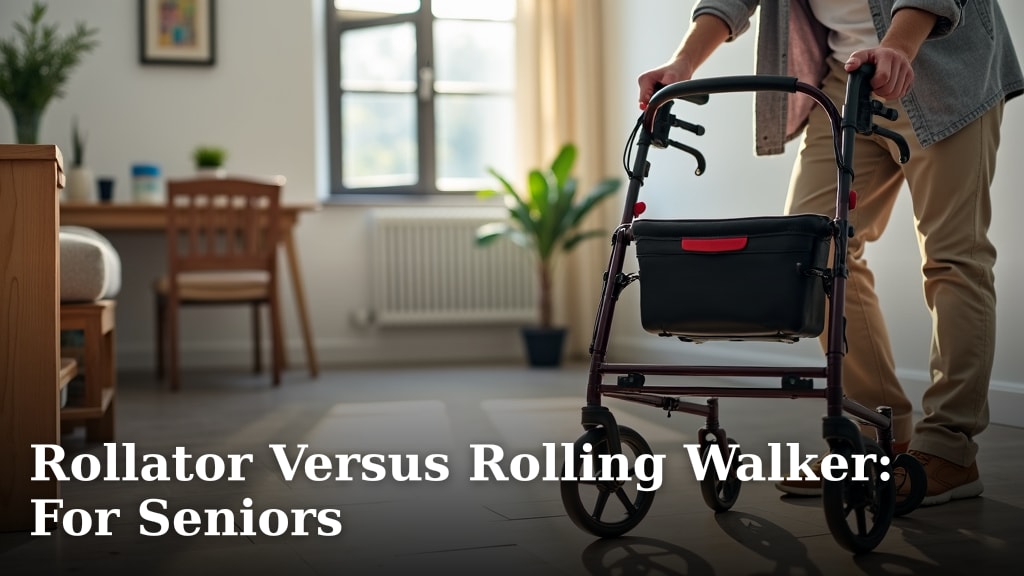
Choosing between a rollator and a rolling walker often comes down to your specific mobility needs. While both offer support, a rollator typically includes a built-in seat and hand brakes, making it ideal for seniors who need to rest frequently or want added control. A rolling walker, on the other hand, is generally lighter and simpler, focusing purely on steadying your gait.
Understanding these key differences can help you find the best mobility aid for your lifestyle. We’ve researched both options to help you make an informed decision that supports your independence and daily activities. Think of it as finding the perfect partner for your walks and errands.
- Rollators have seats and brakes for resting and control.
- Rolling walkers are simpler and lighter for steadying.
- Your personal needs determine which is best for you.
- Consider if you need to sit down often.
- Think about how much stability you require.
Let’s walk through the main differences and help you figure out which one is the better fit for you.
Understanding Your Mobility Aid Options: Rollator vs. Rolling Walker
Deciding between a rollator and a rolling walker is a common step for many seniors. Both can help you move with more confidence. But they do different things for different needs. We’ve looked into what makes each one unique. This will help you pick the right tool for your daily life.
What is a Rolling Walker?
A rolling walker, sometimes called a front-wheel walker, is a simple mobility device. It looks like a traditional walker but has wheels on the front legs. These wheels help it glide across the floor. You still need to lift it slightly to move it forward. This makes it a good middle ground. It offers more ease of movement than a standard walker. But it doesn’t have all the features of a rollator.
Think of it as giving your regular walker a little boost. It’s designed to help you walk steadier. It offers support as you move from place to place. It’s generally lighter than a rollator. This can be helpful if you need to lift it sometimes. Many people find it helpful for short walks. It can also be useful when you don’t need to sit down often.
Key Features of Rolling Walkers
- Wheels: Usually two wheels on the front legs.
- Legs: The back legs are typically simple rubber tips.
- Weight: Generally lighter than rollators.
- Folding: Most can be folded for storage or transport.
- Design: Simple, straightforward support for walking.
What is a Rollator?
A rollator is a type of rolling walker. But it comes with extra features that make it stand out. The most common features are a built-in seat and hand brakes. These additions give you more versatility. You can stop and rest whenever you need to. The brakes offer a way to control speed or lock it in place. This makes it a very popular choice for many.
Imagine having a walking aid that also acts as a mini bench. That’s essentially what a rollator offers. It’s designed for people who might need to sit down during longer outings. Or for those who want an extra layer of security. The brakes are a big safety feature. They help prevent the rollator from rolling away when you’re stopped. We found that this is a major selling point for many users.
Key Features of Rollators
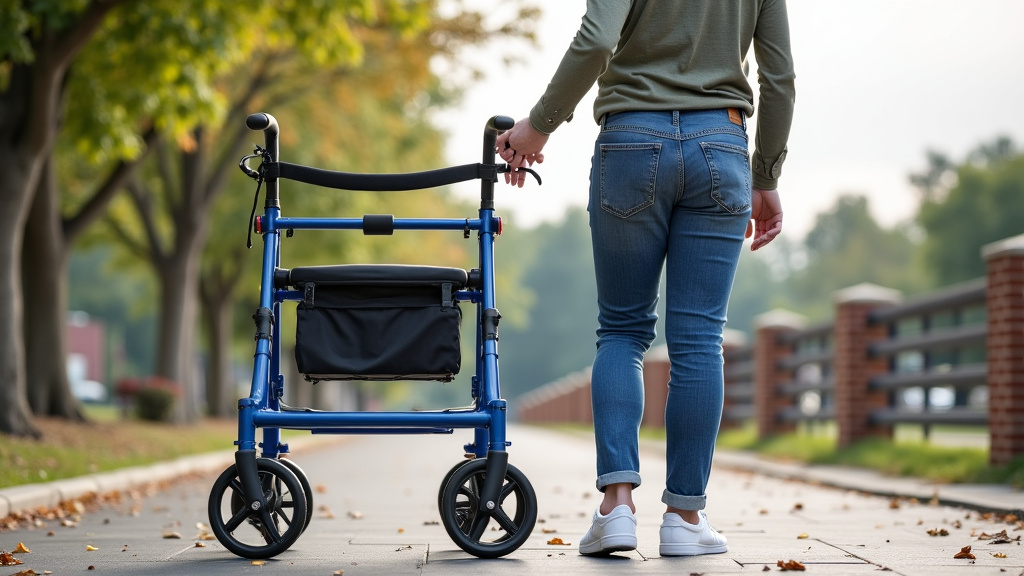
- Wheels: Usually four wheels, allowing for smooth movement without lifting.
- Seat: A built-in seat for resting.
- Brakes: Hand-operated brakes for slowing down or parking.
- Storage: Often includes a basket or pouch for carrying items.
- Weight: Typically heavier than rolling walkers due to the added features. A bariatric rollator offers enhanced support for heavier individuals.
Comparing the Two: What’s the Best Fit for You?
Choosing between these two can feel like a big decision. It really comes down to your specific needs and how you plan to use the device. Let’s break down the key differences to help you see which one might suit you better.
Stability and Support
Both rolling walkers and rollators provide more stability than a standard walker. Rolling walkers offer support as you move. Their front wheels help them glide. However, you still need to lift them slightly to maneuver. This requires some arm strength and coordination.
Rollators, with their four wheels, offer continuous support. You don’t need to lift them. This can be a significant advantage if you have less upper body strength. The brakes also add a layer of stability. You can lock them when you’re standing still. This prevents accidental rolling. Many experts suggest this makes them safer for uneven terrain (Cleveland Clinic). Our guide to a four-wheeled rollator explains its stability advantages.
Resting and Convenience
This is where the rollator really shines. The built-in seat is a game-changer. If you get tired easily or plan on walking longer distances, a rollator is ideal. You can stop, sit down, and catch your breath anytime. This allows you to extend your walking range. It can help you stay more active and independent.
Rolling walkers don’t have seats. You’ll need to find a bench or chair if you need to rest. This limits their usefulness for longer outings. They are more focused on aiding your gait as you walk. They are not designed for regular stopping and sitting.
Maneuverability and Storage
In terms of moving around, rollators are generally easier to push and steer. The four wheels allow for smooth gliding. They can often turn in tighter spaces. Many models come with a basket or pouch. This is perfect for carrying groceries, a book, or personal items. It means you don’t have to juggle items.
Rolling walkers are lighter and simpler. They can be easier to lift and position. This might be a benefit if you need to navigate steps or uneven surfaces frequently. However, they lack the integrated storage of most rollators. You might need to carry a bag separately.
When it comes to storage, both types typically fold. However, the folding mechanisms can vary. Some rollators fold quite compactly. Others might be bulkier due to their frame and seat. Rolling walkers are often more streamlined. Check the dimensions when folded if storage space is a concern.
Weight and Portability
If portability is your top priority, a rolling walker might be appealing. They are generally much lighter than rollators. This can be important if you need to lift it into a car trunk frequently. Or if you have limited strength for maneuvering it.
Rollators are heavier. This is due to the robust frame, seat, wheels, and braking system. While they glide easily, lifting them can be a challenge for some. If you travel often or have limited space for storage, the weight and size of a rollator are important factors to consider.
When to Choose a Rolling Walker
You might prefer a rolling walker if:
- You primarily need help with balance and steadying your gait.
- You don’t need to sit down frequently during your walks.
- You have sufficient arm strength to lift the walker slightly.
- You need a lighter device for easier transport.
- You are looking for a simpler, less feature-rich option.
When to Choose a Rollator
A rollator could be the better choice if:
- You need a place to rest frequently during outings.
- You want the added security of hand brakes.
- You want to carry items easily with a built-in basket.
- You need continuous support without lifting.
- You want a device that can help you navigate longer distances more comfortably.
Ultimately, the best device is the one that helps you maintain your independence and safety. Think about your daily routines. Consider where you’ll be using the aid most. And don’t hesitate to try them out if possible. Many people find that a quick trial makes the decision much clearer.
| Feature | Rolling Walker | Rollator |
|---|---|---|
| Seat for Resting | No | Yes |
| Hand Brakes | No | Yes |
| Number of Wheels | Typically 2 (front) | Typically 4 |
| Lifting Required | Slight lifting needed | No lifting needed |
| Weight | Lighter | Heavier |
| Storage | Usually none | Often includes basket/pouch |
| Primary Use | Gait steadying, light support | Support, resting, carrying items |
Making Your Final Choice: A Checklist
To help you narrow it down, ask yourself these questions:
- Do I get tired easily and need to sit down often?
- How much weight can I comfortably lift and maneuver?
- Will I be walking on mostly flat surfaces or uneven terrain?
- Do I need to carry items with me regularly?
- Is a built-in brake system important for my peace of mind?
- Will I need to lift the device into a car frequently?
Conclusion
Choosing between a rollator and a rolling walker comes down to your personal comfort and needs. A rolling walker is simpler and lighter, ideal for basic balance support. If you need a place to sit often or want extra control with brakes, a rollator is likely your best bet. We’ve outlined how each can help you stay active and independent. Your next step is to consider your daily routines and physical capabilities. Visiting a medical supply store to try both options can make your final decision much easier and more confident.
Frequently Asked Questions
Can I use a rolling walker on uneven surfaces?
Rolling walkers are best suited for smooth, flat surfaces like indoor floors or paved paths. Because they require slight lifting, they may not be ideal for rough terrain. A rollator with four wheels might offer more stability on varied surfaces.
Are rollators heavy to lift into a car?
Rollators are generally heavier than rolling walkers due to their added features like seats and brakes. If you need to frequently lift your mobility aid into a car, a lighter rolling walker might be a better choice. Always check the weight specifications before purchasing.
How do the brakes on a rollator work?
Most rollators have hand brakes similar to those on a bicycle. You squeeze the levers to slow down or stop. Many also have a locking mechanism to keep the rollator stationary when you’re using the seat, providing added safety.
Which is better for someone who gets tired easily?
If you get tired easily and need to rest often, a rollator with a built-in seat is generally the better option. It allows you to take breaks whenever you need them, which can help you stay out longer and remain more active.
Do I need a prescription for a rolling walker or a rollator?
In many cases, you do not need a prescription for a rolling walker or a rollator. However, if you are seeking coverage through insurance or Medicare, a prescription from your doctor may be required. It’s always best to check with your healthcare provider and insurance plan.