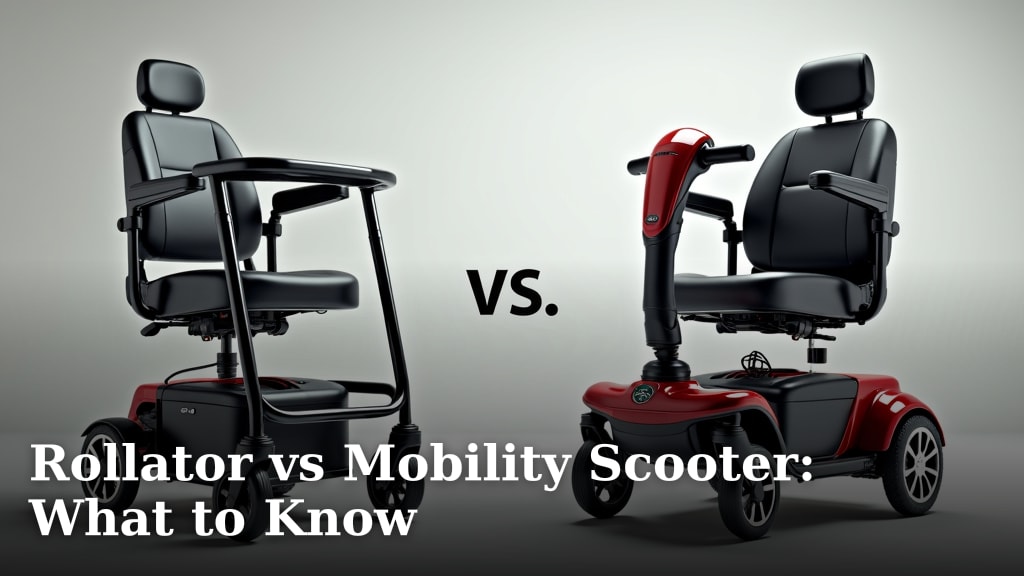
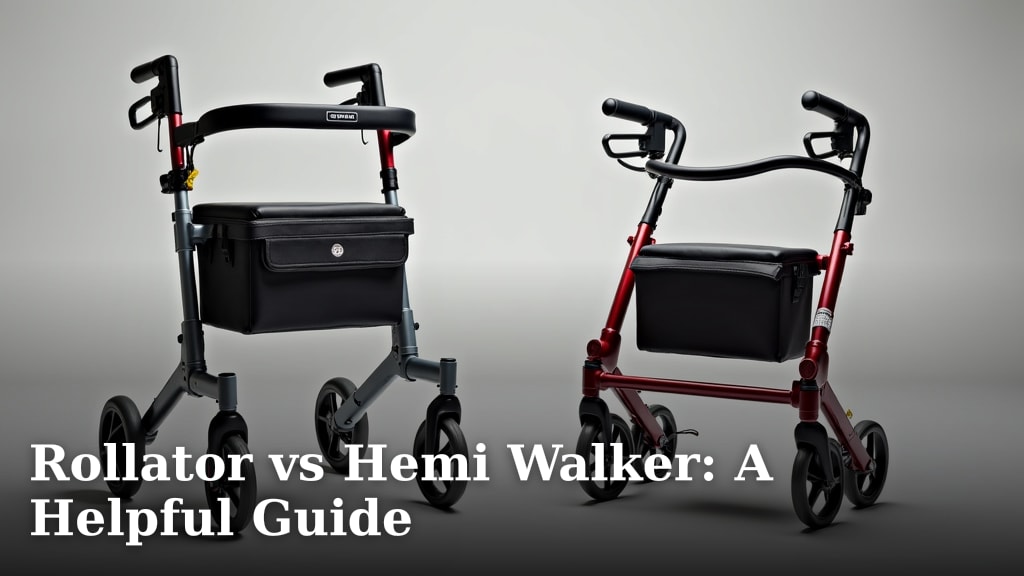
What Makes a Rollator Different from a Walker?
On this page (3 sections)
A rollator is different from a walker because it has Learn what makes a rollator different from a walker.wheels and a built-in seat, offering more mobility and rest options. While walkers provide basic support with static legs, rollators allow for easier gliding and a place to pause. You can think of a rollator as a walker that’s ready for a marathon…or at least a comfortable stroll to the mailbox. They are designed for individuals who need assistance with balance but can still walk moderate distances.
When choosing mobility aids, understanding these distinctions is key. A walker offers simple stability, whereas a rollator adds features for increased independence and comfort. Many people find the added convenience of a rollator, like its ability to brake and support your weight while standing, makes a big difference in their daily lives. We’ve found that proper selection can greatly improve confidence and ease of movement for users.
- Rollators have wheels and a seat; walkers don’t.
- Rollators offer easier movement and a place to rest.
- Walkers provide basic stability with static legs.
- The choice depends on your mobility needs and energy levels.
Let’s break down exactly what sets these two helpful devices apart so you can make the best choice for your needs.
Understanding the Key Differences: Rollator vs. Walker
You might be wondering what truly separates a rollator from a standard walker. It’s a common question, and the answer boils down to a few core features that dramatically impact how you use them. While both aids offer support for walking, a rollator is designed for greater mobility and convenience.
The Walker: Simple Stability You Can Count On
Let’s start with the basic walker. Think of it as your dependable, no-frills support system. A traditional walker has four static legs. You lift it slightly to move it forward. This action provides a stable base for you to step into. It’s best for people who need a little help with balance but don’t have significant issues with walking distances. It’s also great if you need to stand up carefully.
How a Walker Works
Using a walker involves a rhythm of lifting and stepping. You lift the walker, place it in front of you, and then step forward. This motion requires some upper body strength and coordination. For individuals who have trouble with their legs but have good arm strength, this can be a very effective tool. It’s like having a steadying hand with you every step of the way. Many seniors find this predictable support helps them feel more secure at home.
When a Walker Might Be Your Best Choice
A walker shines when you need consistent support without the need for wheels that can sometimes move too quickly. If your primary concern is stability and you don’t plan on moving long distances indoors, a walker is an excellent option. It’s also often a good starting point for individuals recovering from surgery or injury who are regaining strength. You can also add accessories like skis or tennis balls to the legs to help it glide more easily on carpets.
The Rollator: Mobility with Added Comfort and Control
Now, let’s talk about the rollator. The most obvious difference? Wheels! Most rollators have three or four wheels. This allows you to glide smoothly across different surfaces. This means less lifting and more effortless movement. It’s a big advantage if your arms or shoulders are a bit weaker, or if you simply want to move around more freely.
The Big Advantage: Wheels and Brakes
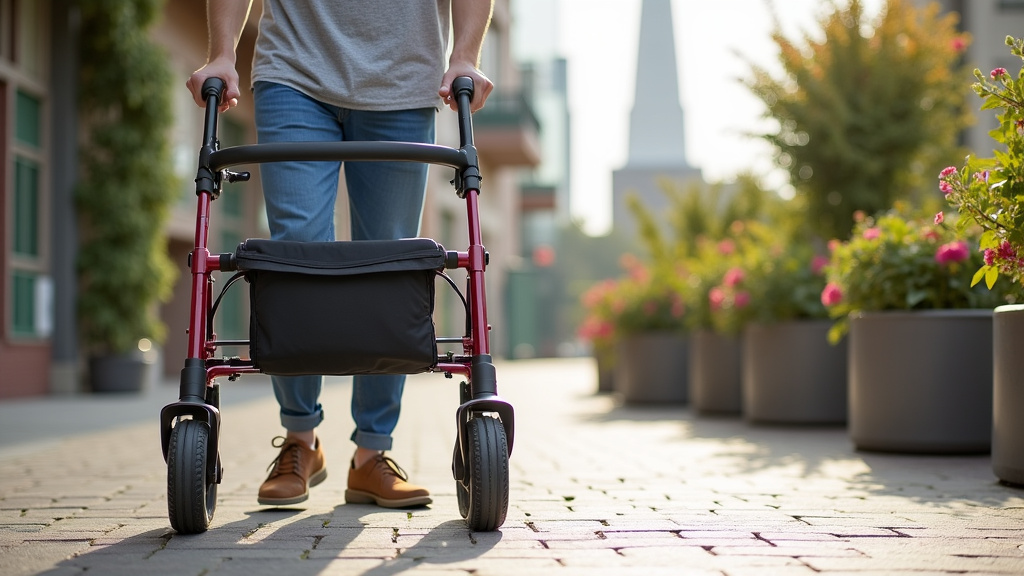
The wheels on a rollator make a huge difference. You don’t have to lift the device to move it. Just a gentle push, and you’re off! This makes navigating hallways, grocery stores, and even outdoor paths much easier. But the wheels aren’t just about speed; they’re also about control. Rollators come equipped with hand brakes. You can use these to slow down or stop completely. This is a critical safety feature, especially when you’re on an incline or want to stop to chat with a neighbor.
The Built-In Seat: Rest When You Need It
Another key feature that sets rollators apart is the built-in seat. Most rollators have a handy seat that folds down. This is a game-changer for people who get tired easily. You can take a break whenever you need to, no matter where you are. Imagine needing to rest halfway to the kitchen or during a walk around the block. With a rollator, you have a comfortable spot to sit down. This added convenience can significantly increase your independence and allow you to stay active for longer periods. It’s like having a portable bench with you at all times.
Storage and Other Features
Many rollators also include a storage basket or pouch. This is perfect for carrying essentials like your phone, wallet, a water bottle, or even a small bag of groceries. You can keep your hands free and your belongings within easy reach. This feature adds another layer of convenience, making errands and daily tasks much more manageable. You won’t have to juggle items while trying to maintain your balance.
Comparing Support and Mobility: A Direct Look
Let’s put it side-by-side. When we look at how they function, walkers are primarily about stability. They offer a wide, steady base. Rollators, on the other hand, focus on mobility and convenience. The wheels allow for fluid movement, and the brakes offer control. The seat provides rest, and the basket helps with carrying items.
Research suggests that the ability to sit down when needed can help prevent fatigue. This can lead to people being more active overall (National Institutes of Health).
When to Choose Which: Making the Right Decision
Your choice between a walker and a rollator really depends on your specific needs and how you plan to use the device. Do you need maximum stability, or do you want to move around more freely? Are you easily fatigued, or can you walk for longer periods without needing a break?
Consider these questions:
- How much support do you need for balance?
- How far do you typically walk in a day?
- Do you get tired easily and need to rest often?
- What types of surfaces will you be using the device on?
- Do you need to carry items with you?
Can a Rollator Be Used Like a Walker?
Yes, you can use a rollator in a way that mimics a walker, but it’s not ideal. You can engage the brakes and use the frame for support. However, the wheels are still there. This means it might not feel as completely stable as a static walker, especially if you rely heavily on pushing down on the frame for support. Experts at the Mayo Clinic often recommend ensuring the brakes are fully engaged for maximum safety when using the rollator as a stationary support.
Can a Walker Be Used Like a Rollator?
No, a traditional walker cannot be used like a rollator. It simply doesn’t have the wheels or the braking system. A walker is designed to be lifted and moved. It lacks the smooth gliding capability and the resting features of a rollator.
A Quick Comparison Table
To make it even clearer, here’s a quick comparison of the main features:
| Feature | Standard Walker | Rollator |
|---|---|---|
| Wheels | None (static legs) | Yes (typically 3 or 4) |
| Movement | Lift and step | Rolls/Glides; requires braking |
| Brakes | None | Yes (hand-operated) |
| Seat | None | Yes (usually built-in and foldable) |
| Portability | Can be lighter; some fold | Heavier due to wheels/frame; most fold |
| Best For | Basic stability, indoor use, recovering strength | Mobility, longer distances, easy resting, outdoor use |
When Every Step Matters: Choosing Your Mobility Partner
Ultimately, the choice between a walker and a rollator is a personal one. Both are designed to help you maintain your independence and safety. Think about your daily routine. Do you enjoy going for walks in the park? A rollator might be your best bet. Are you mostly staying at home and need a little extra support getting around the house? A walker could be perfect.
We found that many users feel a rollator offers a greater sense of freedom. The ability to move more fluidly and rest when needed can make a significant difference in enjoying everyday activities. However, for some, the simple, unwavering stability of a walker is exactly what they need to feel secure. Whichever you choose, make sure it fits you properly. An improperly fitted device can cause more problems than it solves.
Checklist: What to Consider for Your Mobility Aid
Here’s a quick checklist to help you think through your decision:
- Do you need a place to sit down and rest?
- How important is it for you to move quickly and easily?
- Do you need to carry items with you?
- How much upper body strength do you have for lifting?
- Will you be using the device mostly indoors or outdoors?
- What are your doctor’s recommendations for your mobility needs?
Conclusion
You’ve learned that the main difference between a walker and a rollator comes down to wheels and a seat. While a walker offers basic, static support, a rollator provides enhanced mobility and the convenience of a built-in seat. We’ve seen how the wheels on a rollator allow for smoother movement, and the hand brakes give you better control. The seat is perfect for taking breaks, especially if you tire easily. Think about your daily needs: do you need steady support, or do you want to move more freely and rest when needed? Considering these points will help you choose the best mobility partner for your independence. Your next step is to consider your doctor’s advice and try out different models if possible.
Frequently Asked Questions
Can I use a rollator on stairs?
No, rollators are not designed for use on stairs. The wheels make them unstable on uneven steps, and the hand brakes are not meant for controlling descent down stairs. Always use stairs with appropriate safety measures or assistance, and never rely on a rollator for this purpose.
Are rollators heavier than walkers?
Generally, yes, rollators tend to be heavier than standard walkers due to their frames, wheels, brakes, and seats. However, they are designed to glide, meaning you don’t need to lift them to move, which often makes them easier to maneuver for many users.
What surfaces are best for a rollator?
Rollators work best on smooth, level surfaces like sidewalks, paved paths, and indoor flooring. While many can handle slightly uneven terrain, very rough or soft surfaces like sand or deep gravel can make them difficult to push and potentially unstable.
How do I know if I need a rollator or a walker?
Consider how much support you need for balance, how far you walk, and if you need to rest often. If you need simple stability and can lift, a walker might be enough. If you want to move more freely, rest easily, and carry items, a rollator is likely a better fit.
Can I use my rollator’s seat for heavy items?
Most rollator seats are designed for resting your body weight and have a weight limit. While you can place light items on the seat, it’s best to use the designated basket or pouch for carrying groceries or other heavier belongings to ensure stability and safety.