What Makes a Rollator All Terrain? A Quick Guide
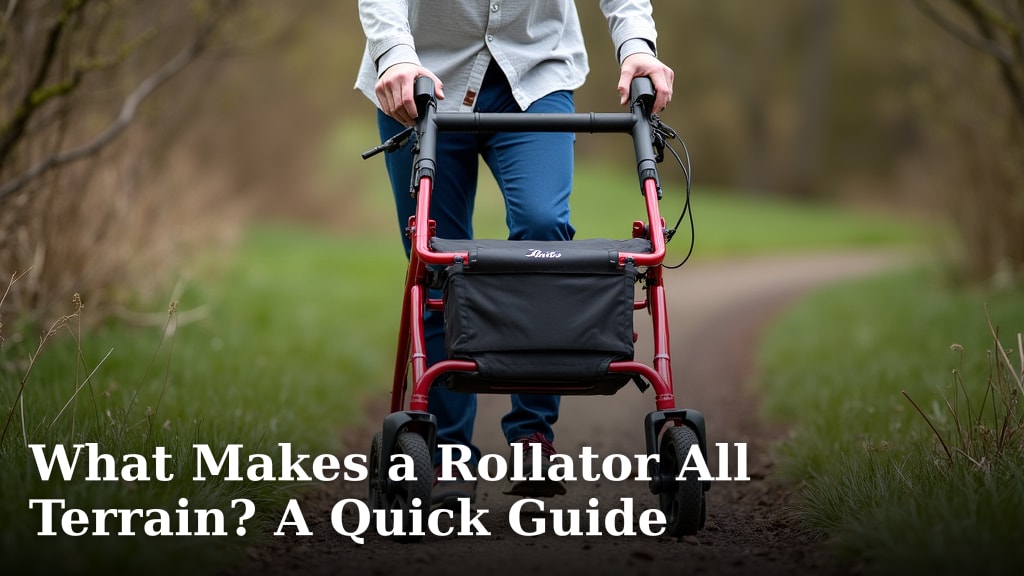
An all-terrain rollator is designed with larger wheels and sturdier frames to handle a variety of surfaces beyond smooth indoor floors. This means you can confidently navigate grass, gravel, uneven paths, and even some light trails. They offer a more versatile mobility solution for those who enjoy spending time outdoors.
When choosing a rollator for outdoor use, you’ll want to pay close attention to the tire type and the suspension system. These components are key to providing a smoother ride over bumps and preventing the rollator from getting stuck. Many models also feature enhanced braking systems for added safety on varied terrain.
- All-terrain rollators have bigger wheels.
- They also feature tougher frames.
- Look for good tires and suspension.
- Brakes are extra important for rough ground.
Let’s take a closer look at the specific features that make a rollator ready for adventure.
What Makes a Rollator Ready for the Outdoors?
You’re probably wondering what sets an all-terrain rollator apart from the standard indoor models. It’s all about how it’s built to handle surfaces that aren’t perfectly smooth. Think of it like choosing the right shoes for a hike versus a stroll around the mall. You need something more robust for the trail. To understand what makes a rollator all-terrain, it helps to first know the basics of a four-wheeled rollator.
The main difference comes down to a few key features that are engineered for durability and stability. These aren’t just minor tweaks; they are fundamental design changes. We’ll walk through what these are so you can make an informed choice for your outdoor mobility needs.
Bigger, Better Wheels for All Surfaces
The most obvious distinction is the wheel size. Standard rollators often have smaller wheels, maybe 6 to 8 inches in diameter. These work well on clean, flat indoor floors. But take them outside, and they can easily get caught on small obstacles.
Wheel Diameter Matters
All-terrain rollators typically feature wheels that are 10 inches or larger. Why is this so important? Larger wheels roll over bumps and uneven ground more easily. They have a better angle of attack, meaning they can climb over small objects like pebbles, roots, or cracks in the sidewalk without getting stuck.
Imagine trying to push a shopping cart over a gravel path – the small, hard wheels struggle. Now picture pushing a cart with large, somewhat softer tires. It’s a much smoother experience. That’s the difference a bigger wheel makes for your rollator.
Tire Tread and Material
It’s not just the size; the tire tread and material are critical too. All-terrain tires often have a more aggressive tread pattern. This helps them grip different surfaces better, preventing slips on grass or loose gravel.
We found that many all-terrain rollators use pneumatic tires (air-filled) or solid rubber tires with deep grooves. Pneumatic tires offer a more cushioned ride, similar to a bicycle, absorbing shocks from bumps. Solid tires, while less cushioned, are puncture-proof and require less maintenance. Both are designed for better traction than the smooth, hard plastic wheels often found on indoor models.
Some manufacturers also opt for a softer rubber compound. This can improve grip and reduce the jarring sensation when you hit an uneven patch. It’s like giving your rollator a better grip on the world under its wheels.
Robust Frame and Construction
Beyond the wheels, the overall construction of an all-terrain rollator is built to be tougher. You need a frame that can withstand more stress and provide reliable support on varied terrain.
Stronger Materials
While many rollators use aluminum, all-terrain models might use thicker-walled aluminum or even steel for added strength. Steel is heavier but often more durable. Aluminum is lighter and corrosion-resistant, making it a popular choice when engineered for robustness.
The key is that the frame components are designed to handle the increased forces from uneven surfaces. This means reinforced joints and welds. You want to feel confident that your rollator won’t buckle or bend when you need it most.
Weight Capacity and Stability
Generally, an all-terrain rollator will have a higher weight capacity than a standard model. This is a good indicator of its sturdy construction. Always check the specific weight limit for any rollator you consider.
Stability is also enhanced. Manufacturers often design these rollators with a wider wheelbase. This wider stance provides a more stable platform, reducing the risk of tipping, especially when navigating slopes or uneven ground. Think of a sports car versus a tall, narrow vehicle – the wider base is more stable.
Suspension Systems for a Smoother Ride
This is where some all-terrain rollators really shine. Just like a car, a suspension system helps absorb shocks and vibrations. This makes your journey much more comfortable and reduces the strain on your body.
How Suspension Works
Some models incorporate shock-absorbing springs, often located near the wheels or integrated into the frame. These springs compress and expand as you roll over bumps, smoothing out the ride. It’s like having tiny shock absorbers working for you.
We’ve seen some designs that use a flexible material in the frame itself to dampen vibrations. Others might have specialized fork designs for the front wheels that absorb impact. This feature is especially beneficial if you experience pain or discomfort from jarring movements.
While not every all-terrain rollator has active suspension, even well-designed frames and larger, air-filled tires offer a form of passive suspension. It’s about reducing the direct impact of the terrain on your hands and body.
Reliable Braking for Safety
When you’re moving over surfaces that aren’t perfectly flat, you need dependable brakes. Stopping smoothly and safely is non-negotiable, especially if you encounter unexpected changes in terrain or need to slow down on a gentle slope.
Types of Braking Systems
Most all-terrain rollators feature dual-action braking systems. This usually means you have a hand brake that operates on both rear wheels simultaneously. This ensures consistent stopping power.
Look for brakes that are easy to engage and lock. Some models have larger, more ergonomic brake levers, which can be easier to use if you have reduced hand strength or dexterity. The ability to firmly lock the brakes is essential for parking on inclines.
We found that the quality of the brake pads also matters. Good quality pads offer better friction and longer life. Some higher-end models might even incorporate disc brakes, similar to bicycles, for superior stopping power in various conditions, though this is less common.
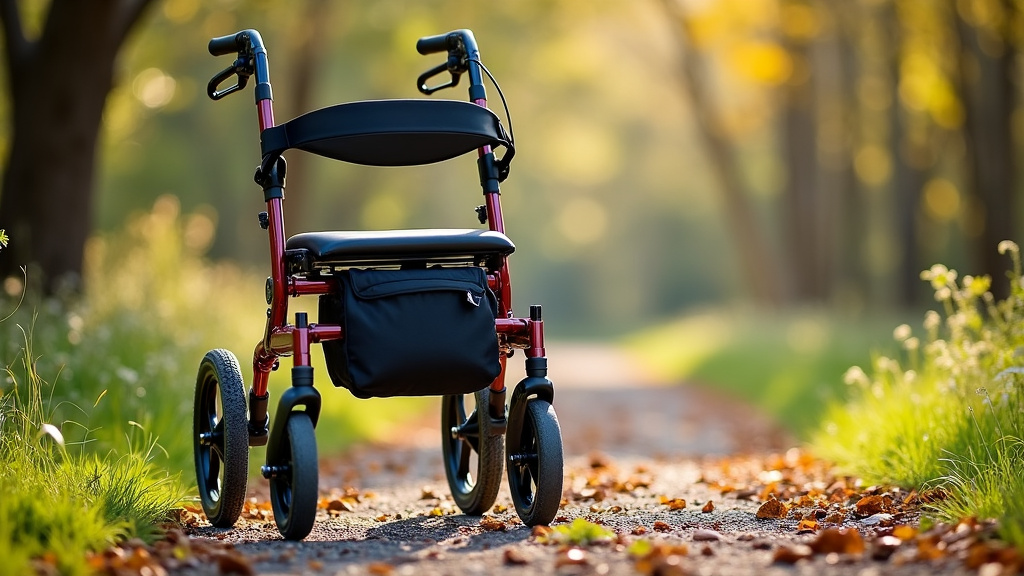
Considerations for Different Outdoor Terrains
What kind of outdoor adventures are you planning? The terrain you’ll most often encounter should guide your choice.
Grass and Gravel
For general park use, grassy areas, or gravel paths, a rollator with larger, treaded tires (like 10-12 inch) will usually suffice. Pneumatic tires offer the best cushioning here. You’ll want a frame that feels sturdy and brakes that engage firmly.
Uneven Paths and Light Trails
If you plan on walking on more challenging paths, perhaps with exposed roots or uneven stones, look for rollators with larger diameter wheels (12 inches or more), aggressive tread, and potentially some form of suspension. A wider wheelbase will also be a significant advantage for stability.
Rough Terrain and Trails
For true trail use, you might need to consider models that are specifically marketed for rugged terrain. These often have the largest wheels, the most robust suspension, and the strongest frames. However, these are also typically heavier and bulkier.
Are All-Terrain Rollators Heavyduty?
Yes, generally, all-terrain rollators are built to be more heavyduty than standard indoor models. This increased durability comes from stronger frame materials, larger and more robust wheel assemblies, and often a more substantial design overall.
This heavyduty construction means they can often support a higher weight capacity, which is a good indicator of their underlying strength. You’ll notice they might feel a bit heavier to lift or maneuver in tight spaces compared to lighter indoor models, but this is a trade-off for their outdoor capabilities. The robust construction often means an all-terrain rollator has a heavier weight capacity, similar to specialized bariatric models.
Key Features Checklist for Your All-Terrain Rollator
Before you finalize your decision, consider this quick checklist to ensure you’re getting the right features:
- Large Wheels: Aim for 10 inches or more in diameter.
- Aggressive Tire Tread: For better grip on varied surfaces.
- Durable Frame: Look for reinforced construction and sturdy materials.
- Reliable Brakes: Easy to use, lock securely, and offer good stopping power.
- Suspension (if possible): For a smoother, more comfortable ride over bumps.
- Wider Wheelbase: Enhances stability on uneven ground.
Conclusion
Choosing an all-terrain rollator means choosing freedom to explore. You’ve learned that bigger wheels, sturdy frames, specialized tires, and reliable brakes are key. These features work together to give you stability and comfort on grass, gravel, and uneven paths. Don’t settle for less if you enjoy spending time outdoors. Take this knowledge with you and start looking for a rollator that matches your outdoor adventures. Your next outdoor excursion awaits!
Frequently Asked Questions
Will an all-terrain rollator work on sand?
All-terrain rollators are designed for varied surfaces, but deep, soft sand can still be challenging for any wheeled device. Models with the largest, widest tires tend to perform best on packed sand near the shoreline. However, for very soft or deep sand, other mobility aids might be more suitable.
Are all-terrain rollator tires puncture-proof?
Some all-terrain rollators come with solid rubber tires, which are puncture-proof and require minimal maintenance. Others use pneumatic (air-filled) tires for a softer ride. Pneumatic tires can be punctured, much like bicycle tires, so it’s wise to carry a repair kit if you opt for those.
How much heavier are all-terrain rollators than standard ones?
All-terrain rollators are generally a bit heavier due to their robust construction and larger components. You might notice a difference of 5 to 10 pounds. This extra weight contributes to their stability and durability on rougher ground, but it’s something to consider if you need to lift it frequently.
Can I use an all-terrain rollator indoors?
Yes, you can use an all-terrain rollator indoors. The larger wheels and suspension might make them feel a little different on smooth floors compared to a standard rollator, but they are perfectly functional for indoor use. Just be mindful that their wider stance might make navigating very tight indoor spaces more challenging.
How do I maintain an all-terrain rollator for outdoor use?
Regular cleaning is important to prevent dirt and debris from affecting the wheels and brakes. Check tire pressure if they are pneumatic, and inspect brakes for wear. We found that keeping the frame and moving parts clean helps ensure smooth operation and longevity, especially after exposure to outdoor elements.