What Is a Bariatric Rollator Used For? A Quick Guide
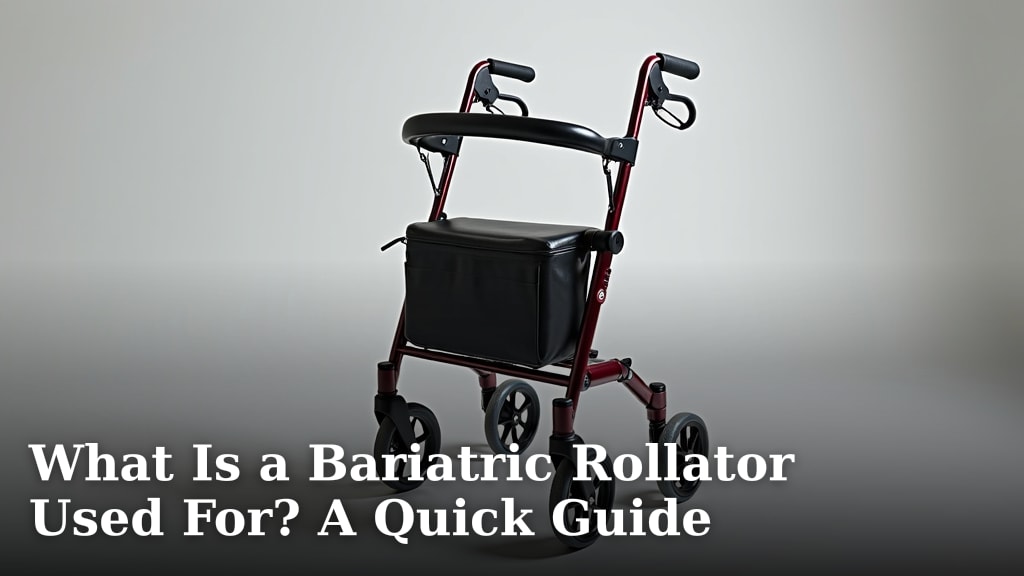
A bariatric rollator is a sturdy mobility aid designed for individuals who need extra support and a wider seating area. It offers enhanced stability, a larger seat for rest, and a higher weight capacity than standard walkers. Think of it as a super-supportive walking buddy for those who need a bit more room and strength.
These specialized rollators are built to comfortably support users who may weigh more. They provide a safe way to move around your home or outdoors. Many have stronger frames and wider wheels for better maneuverability. You can trust a bariatric model for reliable, robust support.
- A bariatric rollator is a walker with a seat.
- It’s made for people needing extra weight capacity.
- You get more stability and a bigger place to sit.
- It helps you move around more safely and easily.
Let’s dive into what makes a bariatric rollator so useful and who can benefit most from one.
Understanding the Purpose of a Bariatric Rollator
A bariatric rollator is essentially a heavy-duty walker that includes a seat. It’s engineered for individuals who need more robust support and a higher weight capacity than standard mobility devices offer. These rollators provide a stable structure for walking. They also offer a comfortable place to rest when you need a break. Many people find them indispensable for maintaining independence at home and in their communities.
What Sets a Bariatric Rollator Apart?
The primary difference lies in its construction and capacity. Bariatric rollators are built with stronger, wider frames. This ensures they can safely support users weighing more. Standard rollators often have weight limits around 250-300 pounds. Bariatric models can typically support 350 pounds or more. This makes them a much safer option for many individuals.
Enhanced Durability and Strength
You’ll notice that the materials used are often thicker and more reinforced. This is crucial for the added weight. The frames are typically made from heavy-gauge steel or aluminum alloys. These materials provide excellent strength without making the rollator excessively heavy to maneuver. Think of it as the difference between a regular bicycle frame and a heavy-duty cargo bike frame.
Wider Seating for Comfort
Another key feature is the larger, more accommodating seat. Standard rollators might have a narrow seat. This can be uncomfortable or impractical for some users. A bariatric rollator offers a wider seat. This provides more surface area and support, allowing you to sit down more comfortably when needed.
Larger, Sturdier Wheels
The wheels on bariatric rollators are often larger and wider than those on standard models. This design choice is deliberate. Larger wheels roll more easily over different surfaces. This includes carpets, thresholds, and outdoor terrain like grass or gravel. Wider wheels also add to the overall stability of the rollator. You’ll find them less likely to get stuck or tip.
Key Uses and Benefits for Daily Life
So, what exactly do you use a bariatric rollator for? Its main purpose is to improve mobility and safety. It helps users walk with more confidence. It also provides a much-needed resting spot. Let’s break down some common scenarios where these rollators shine.
Supporting Users with Higher Weight Needs
This is the most obvious use. If you weigh more, a standard rollator simply won’t be safe or effective. A bariatric model is specifically designed for this. It ensures you have a stable, reliable aid. This supports your walking and reduces the risk of falls. Many health professionals recommend them for patients who need this extra capacity (NIH).
Providing Enhanced Stability During Walking
The robust frame and often wider wheel base contribute to superior stability. When you walk, you have a solid structure to lean on. The handgrips are designed for a firm, comfortable hold. This can make a big difference in your confidence as you move around your home. It reduces the strain on your joints and muscles.
Offering a Convenient Place to Rest
Feeling tired after walking a short distance? That’s perfectly understandable. A bariatric rollator gives you an immediate place to sit down. You don’t have to search for a chair or bench. This is incredibly useful for longer walks, grocery shopping, or even just moving between rooms in a large house. It allows you to pace yourself effectively.
Improving Independence and Quality of Life
When you can move around more freely and safely, your independence grows. You can go to the mailbox, walk the dog around the block, or visit friends more easily. This increased mobility can significantly boost your overall quality of life. It helps you stay connected to your community and engage in activities you enjoy.
Aiding in Recovery and Rehabilitation
After surgery or an injury, regaining mobility is often a slow process. A bariatric rollator can be a valuable tool during recovery. It provides the necessary support as you build strength. It helps prevent re-injury by offering a stable base. Physical therapists often incorporate these devices into rehabilitation plans (Cleveland Clinic).
Comparing Bariatric Rollators to Other Mobility Aids
It’s helpful to understand how a bariatric rollator fits into the broader category of mobility aids. Each device has its strengths. Knowing these helps you choose the right one for your needs.
Rollators vs. Standard Walkers
A standard walker has no wheels, or perhaps just small front wheels. You have to lift it to move. This requires more upper body strength and coordination. Rollators, including bariatric ones, have four wheels. This makes them easier to push and glide. The seat also sets them apart from most standard walkers.
Bariatric Rollators vs. Standard Rollators
As we’ve discussed, the key differences are weight capacity, frame strength, seat size, and wheel design. Standard rollators are fine for individuals within their weight limits. But if you need that extra support and space, a bariatric model is the safer and more comfortable choice.
Bariatric Rollators vs. Wheelchairs or Scooters
Wheelchairs and scooters are for individuals who cannot walk or stand for extended periods. They require much less effort to use for longer distances. However, they can be bulky and difficult to store or transport. A bariatric rollator is for those who can still walk, but need assistance and support to do so safely and comfortably.
| Feature | Bariatric Rollator | Standard Rollator |
|---|---|---|
| Weight Capacity | Typically 350 lbs+ | Typically 250-300 lbs |
| Frame Construction | Heavy-duty, reinforced | Standard, lighter materials |
| Seat Size | Wider, more accommodating | Standard width |
| Wheel Size/Type | Often larger and wider for stability | Standard size |
| Best For | Users needing higher weight support, maximum stability | Users within standard weight limits, general mobility support |
Choosing the Right Bariatric Rollator for You
Selecting a bariatric rollator involves a few considerations. It’s not just about picking the strongest one. Think about how and where you’ll use it most.
Consider Your Specific Needs
What are your primary challenges? Is it walking fatigue, balance issues, or needing a place to sit frequently? Your answers will guide your choice. A lighter user who just needs a bit more stability might prioritize maneuverability. Someone needing extensive support will focus on maximum sturdiness.
Measure Your Space and Environment
Will you be using it mostly indoors or outdoors? If indoors, especially in tight spaces, look for a model that turns easily. Some outdoor terrain might require larger, more robust wheels. Measure your doorways and hallways to ensure it will fit.
Check the User Weight Limit Carefully
Always verify the maximum user weight limit. Make sure it comfortably exceeds your current weight. It’s wise to have a buffer for safety and longevity of the device. Always consult the manufacturer’s specifications.
Features to Look For
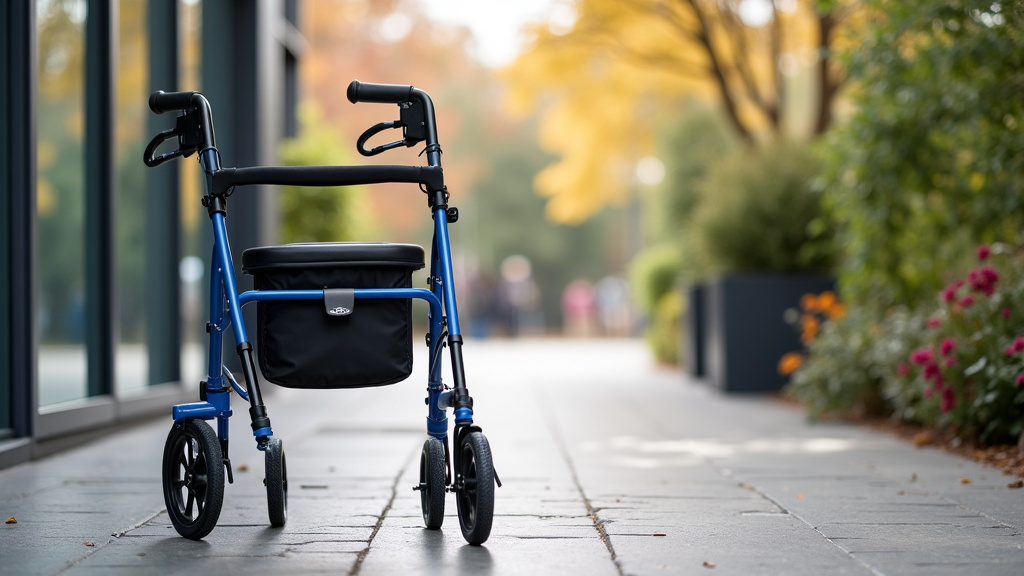
Beyond the basics, many bariatric rollators come with extra features. Some have locking brakes for secure stopping. Others have handy storage bags or baskets. Padded handgrips can improve comfort. Consider if these extras would be beneficial for your daily routine.
Simple Checklist for Selection:
- Verify the weight capacity.
- Check the overall width and depth.
- Assess the seat size and comfort.
- Look at the wheel type and size for your typical terrain.
- Consider the braking system and ease of use.
- Think about any extra features like storage or ergonomic grips.
Conclusion
You’ve learned that a bariatric rollator is more than just a walker; it’s a dependable mobility solution for those needing extra support. Its robust construction, wider seat, and stronger wheels offer enhanced safety and comfort. By choosing a bariatric model, you invest in your independence and quality of life. It helps you move with greater confidence and enjoy more freedom in your daily activities. Ready to find the right fit? Carefully consider your personal needs and the environments where you’ll use it most.
Frequently Asked Questions
Are bariatric rollators much heavier than standard rollators?
Bariatric rollators are built with stronger materials, so they can be a bit heavier. However, manufacturers design them to still be manageable. The larger wheels and sturdy frame often make them easier to maneuver than you might expect, even with the added weight.
Can I use a bariatric rollator outdoors on uneven surfaces?
Yes, many bariatric rollators are designed for both indoor and outdoor use. Their larger, wider wheels provide better stability and can roll more smoothly over various terrains like grass or gravel. Always check the manufacturer’s recommendations for the specific model.
How do I know if I need a bariatric rollator instead of a standard one?
The primary indicator is your weight. If you weigh more than 250-300 pounds, a standard rollator may not be safe or sturdy enough. A bariatric rollator is designed for users needing a higher weight capacity, typically 350 pounds or more.
What kind of maintenance do bariatric rollators require?
Basic maintenance is simple. You should keep the frame clean and dry. Regularly check the brakes to ensure they are functioning correctly. Wipe down the wheels and grips often. It’s also good to check that all bolts and parts are secure.
Are bariatric rollators difficult to fold and store?
Most bariatric rollators are designed with folding mechanisms for easier storage and transport. While they might be bulkier than standard models, they usually fold to a more compact size. It’s always best to check the specific folding method and dimensions for any model you’re considering.