What Is a Universal Rollator? The Basics
On this page (8 sections)
- Understanding the Universal Rollator Walker
- Key Benefits of Using a Universal Rollator
- Anatomy of a Universal Rollator: The Parts Explained
- How to Choose the Right Universal Rollator
- Using Your Universal Rollator Safely and Correctly
- Checklist: Is a Universal Rollator Right for You?
- Conclusion
- Frequently Asked Questions
A universal rollator is a versatile mobility walker designed to adapt to both indoor and outdoor spaces without needing separate models. Think of it as the Swiss Army knife of walking aids, built with a sturdy frame and typically featuring four wheels for smooth movement.
Unlike traditional walkers that can feel clunky inside or unstable on grass, this design aims to give you confidence on your front porch and in the grocery store aisle. We found that many users appreciate having one reliable device for most daily activities, simplifying their lives.
- A universal rollator is an all-in-one walker for inside your home and outside.
- Key features include a comfortable seat, hand brakes, and a storage pouch.
- It helps maintain independence by safely supporting you during various tasks.
- The right fit is crucial, so checking the height and weight capacity matters.
- Below, we cover how to know if this helpful tool fits your lifestyle.
Below, we’ll walk through exactly what to look for, the key features that matter, and how to choose the right one for your needs.
Understanding the Universal Rollator Walker
A universal rollator is a single, adaptable walker designed to function well in various environments, from your kitchen to the sidewalk. It provides a stable, wheeled platform for support, reducing strain on your arms and shoulders compared to a standard walker. Think of it as your everyday partner for staying active and independent.
Why the “Universal” Name Makes Sense
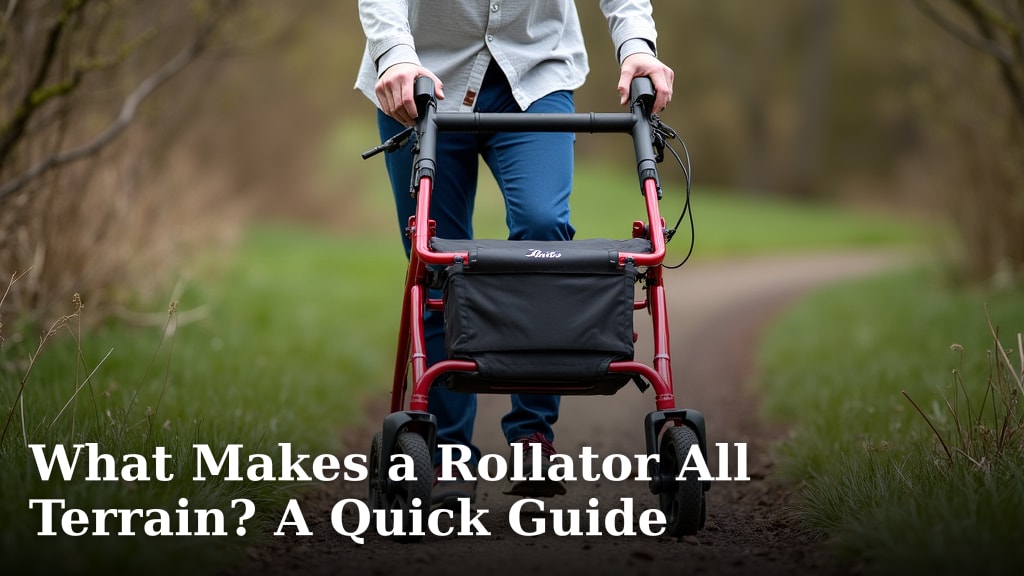
The term “universal” points to its all-purpose design. You don’t need to switch between an indoor rollator with small wheels and an outdoor one with large, rugged wheels. This single device is built with medium-sized wheels that handle both smooth floors and uneven pavement reasonably well. We found that this convenience is a major selling point for many users who want to keep things simple.
How It Differs from a Standard Walker
A traditional walker, sometimes called a pickup walker, has no wheels or two front wheels. You lift it and place it down with each step. A rollator, by contrast, has wheels on all four legs and rolls continuously. The universal version optimizes this for mixed-use, making it a practical choice if you move between different spaces daily.
Core Features You’ll Find on Most Models
Universal rollators come with a standard set of components that make them functional and safe. Understanding these features helps you know what to look for.
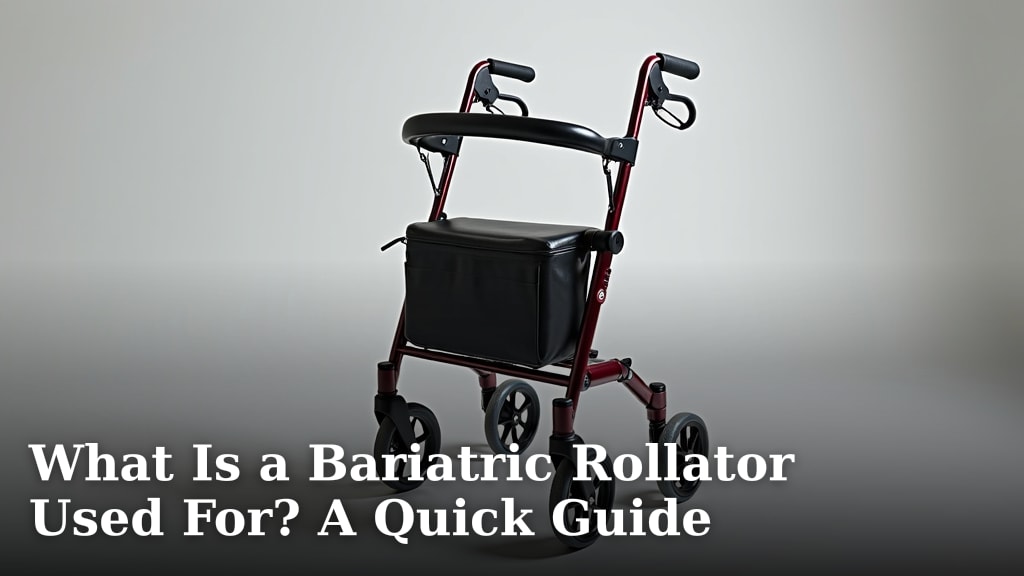
- Four Wheels: Typically 6 to 8 inches in diameter. They offer a balance between maneuverability indoors and stability outdoors on grass or gravel.
- Hand Brakes: These are essential for safety. You squeeze the handles to slow or stop the rollator. Most have a locking mechanism to secure the wheels when you sit.
- Built-in Seat: A padded seat lets you take a break whenever you need. This is a huge benefit for managing fatigue during errands or longer outings.
- Storage Pouch or Basket: Usually located under the seat. It’s perfect for carrying a purse, phone, groceries, or medical supplies. You’ll find this keeps your hands free.
- Ergonomic Handgrips: Designed to be comfortable and reduce pressure on your wrists and hands.
Many experts at the Mayo Clinic note that a walker with a seat and brakes can significantly improve a person’s ability to engage in daily activities safely.
Key Benefits of Using a Universal Rollator
Choosing this type of mobility aid can bring several practical advantages to your daily life. The primary goal is to enhance your confidence and safety.
- Enhanced Independence: It helps you move around without relying on others for support. You can manage tasks like shopping or visiting friends more easily.
- Reduced Risk of Falls: The stable base and brakes help prevent slips. The CDC states that falls are a leading cause of injury among older adults, and using an appropriate walker is a key prevention strategy.
- Versatility for Indoor and Outdoor Use: As the name suggests, one device works for both. This saves you from storing two different walkers.
- Less Strain on Your Body: Compared to a non-wheeled walker, you don’t have to lift it with every step. This can reduce fatigue in your arms and shoulders.
- Provides a Place to Rest: The seat is a simple but powerful feature. It allows you to pause and rest your legs during a walk or while waiting in a line.
Is It Right for Your Specific Needs?
A universal rollator is an excellent fit if you need assistance with balance or endurance but still want to remain active in varied settings. It’s especially helpful if you experience fatigue easily. However, it may not be the best choice if you have very narrow doorways or need something ultra-lightweight. We found that most users appreciate the balance it offers.
Anatomy of a Universal Rollator: The Parts Explained
Knowing the parts and how they work helps you use your rollator safely and effectively. Let’s break down the main components you’ll interact with.
The Frame and Wheels
The frame is the backbone of your rollator. It’s typically made of lightweight aluminum, making it easy to push and maneuver. Most frames are also foldable for storage in a car trunk or closet.
Wheel Size and Type
For a universal rollator, wheels usually measure between 6 and 8 inches. This size is a compromise: large enough to roll over small cracks and bumps outside, yet small enough to navigate inside furniture. The wheels often have a solid rubber or polyurethane tread, which is durable and doesn’t require inflation. This means no flat tires.
The Braking System
This is a critical safety feature. There are two common types.
- Loop Brakes: These are the most common. You squeeze the loop toward the handgrip to engage the brake. To lock the wheels, you push the loop downward.
- Push-Down Brakes: You press down on the handle to brake. To lock, you push down further until it clicks. Some find this easier if hand strength is an issue.
Always test the brakes before using your rollator for the first time. Make sure they engage firmly and hold the wheels in place when you sit.
The Seat and Backrest
The seat is for temporary resting. It is not designed for long-term sitting or as a wheelchair replacement. A backrest, often a padded bar, provides support while you sit. Some models have a flip-down or removable backrest.
How to Choose the Right Universal Rollator
Selecting the correct rollator involves matching the device to your body and your lifestyle. It’s not a one-size-fits-all decision. We recommend focusing on three key areas: fit, features, and quality.
Getting the Proper Fit
An improperly sized rollator can be uncomfortable and unsafe. Follow these steps to find your fit.
- Height Adjustment: Stand tall and relax your arms. The handgrips should reach your wrist level when your arms are hanging down. Most rollators have adjustable handles.
- Seat Height: When sitting, your feet should rest flat on the ground with your knees at about a 90-degree angle.
- Weight Capacity: Check the maximum weight limit. Common capacities range from 250 to 400 pounds. This includes the weight of any items you carry in the pouch.
Comparing Universal Rollators with Other Mobility Aids
It can be helpful to see how a universal rollator stacks up against other common walkers. Here is a simple comparison table.
| Feature | Universal Rollator | Standard (Pickup) Walker | Wheelchair |
|---|---|---|---|
| Primary Use | Support & balance for walking | Maximum stability, no wheels | Full seated mobility |
| Wheels | Four wheels, all-terrain | None or two front wheels | Large wheels for self-propulsion |
| Built-in Seat | Yes | No | Yes (primary feature) |
| Best For | Indoor/outdoor balance support | Weight-bearing stability | Non-weight-bearing mobility |
| Mobility Level | Walking with moderate assistance | Walking with significant assistance | Seated movement |
As the table shows, the universal rollator offers a middle ground between the simplicity of a standard walker and the full support of a wheelchair.
Where to Buy and What to Ask
You can find universal rollators at medical supply stores, pharmacies, and online. When shopping, bring a list of questions. Ask about the return policy, the warranty, and whether you can try it out in the store. Some stores have staff who can help you adjust it for a proper fit. A study published in the Journal of Aging and Physical Activity found that proper fitting of mobility aids is crucial for user safety and satisfaction.

Using Your Universal Rollator Safely and Correctly
Once you have your rollator, using it correctly will maximize its benefits. A few simple habits can make a big difference.
Daily Use and Posture
Walk inside the frame of the rollator, not behind it. Your arms should be slightly bent when holding the grips. Keep your head up and look forward, not down at your feet. This promotes a natural, upright posture. When you need to sit, make sure the rollator is completely stopped and the brakes are locked before you lower yourself onto the seat.
Navigating Different Surfaces
While a universal rollator handles varied terrain, be mindful of obstacles. For curbs, use the brakes to stabilize the rollator, then lift the front wheels slightly to get over the curb. On very uneven ground, go slowly. The design is versatile, but it’s not all-terrain.
Cleaning and Maintenance
Keeping your rollator clean ensures it lasts longer and functions properly. Wipe down the frame and seat with a damp cloth regularly. Check the wheels for debris and clear out any trapped dirt. Inspect the brakes and handgrips periodically for wear and tear. Simple, regular maintenance prevents bigger problems down the road.
Checklist: Is a Universal Rollator Right for You?
Use this quick checklist to decide if this mobility aid fits your life. If you answer “yes” to most of these, it’s likely a good match.
- Yes, I need support for both indoor and outdoor activities.
- Yes, I experience fatigue or balance issues while walking.
- Yes, I want a place to sit and rest when I’m out.
- Yes, I need a way to carry small items hands-free.
- Yes, I value having one simple device for most situations.
- Yes, I am able to squeeze hand brakes safely and effectively.
We found that this checklist helps many people confirm their choice. Remember, the goal is to find a tool that makes your daily life easier and safer. A universal rollator can be that reliable companion.
Conclusion
A universal rollator offers a practical, all-in-one solution for maintaining your mobility and independence both inside and outside your home. We’ve covered its key features, like sturdy wheels and hand brakes, and how to choose the right fit for your body and lifestyle. Remember, this tool is about supporting your daily activities safely, not replacing professional medical advice. If you believe a universal rollator could help you, your next step is simple: visit a local medical supply store or consult with a healthcare provider. Trying different models in person ensures you find the comfort and support you need.
Frequently Asked Questions
What makes a universal rollator different from a transport chair?
A universal rollator is designed for you to walk behind it with support, while a transport chair is for seated mobility pushed by someone else. The rollator encourages active movement and includes a seat for rests. We found this makes it better suited for those who can walk but need balance or fatigue assistance. For a fuller comparison, see our guide to rollator and wheelchair options.
How do I know if my universal rollator is too big or too small?
When you stand inside the frame, your elbows should have a slight bend at the handgrips. If you’re hunched over or reaching too high, it’s likely not the right size. Most models have adjustable handles, so you can fine-tune the height for a proper fit.
Can I take my universal rollator on an airplane?
Yes, most universal rollators are foldable and can be gate-checked as mobility equipment. We recommend contacting your airline ahead of time to confirm their specific policies and to ensure smooth travel with your device.
What should I do if the wheels on my rollator wobble?
A wobble often means the wheels need tightening or replacement. Check the axle bolts first and secure them if loose. If the problem continues, contact the manufacturer or a medical supply store for repair options.
Is there a weight limit for using a universal rollator?
Yes, each model has a maximum weight capacity, typically between 250 and 400 pounds. This includes both your body weight and anything you carry in the storage pouch. Always check the product specifications to ensure it meets your needs safely.