Types of Rollators Explained: The Basics
On this page (9 sections)
- Understanding the Different Types of Rollators
- Standard Rollators: Your Everyday Companion
- Lightweight Rollators: Mobility Made Easy
- Heavy-Duty Rollators: Strength and Stability
- All-Terrain Rollators: Adventure Awaits
- Specialty Rollators: Finding Your Niche
- Making Your Choice: A Quick Checklist
- Conclusion
- Frequently Asked Questions
When you’re looking for help getting around, you’ll find different kinds of rollators designed for various needs. The basic types include standard rollators for general use and lightweight rollators for easier carrying. There are also heavy-duty rollators built for more support and all-terrain rollators for outdoor adventures. Choosing the right one makes a big difference in your mobility and independence.
Understanding the differences helps you find the best fit for your lifestyle. Many rollators offer features like comfortable seats and secure brakes. Some are made for indoor use, while others are more robust for sidewalks or trails. We found that considering your typical environment and the support you need is key to making a smart choice.
- Standard rollators are great for everyday use.
- Lightweight models are easier to lift and transport.
- Heavy-duty options offer extra stability and weight capacity.
- All-terrain rollators are designed for outdoor surfaces.
- Look for features like brakes and comfortable seating.
Let’s walk through the main types of rollators and what makes each one special, so you can feel confident in your decision.
Understanding the Different Types of Rollators
You’re looking for a rollator, and it’s smart to know your options. A rollator, also called a rolling walker, can offer incredible support and independence. But not all rollators are made the same. We’ve found that understanding the basic categories helps you pick the perfect one for your needs. Think of it like choosing the right tool for a job; you wouldn’t use a hammer to screw in a nail, right? The same applies here. Let’s break down the main types you’ll encounter.
Standard Rollators: Your Everyday Companion
When most people picture a rollator, they imagine a standard model. These are the workhorses of the rolling walker world. They generally have three or four wheels and a built-in seat. They are designed for general walking assistance. Many come with a handy pouch for carrying your belongings. Standard rollators offer a good balance of support and maneuverability. They are a popular choice for many people who need a little extra stability while walking around their homes or in familiar, flat environments.
Key Features of Standard Rollators
- Three or Four Wheels: Most standard rollators have four wheels. Some models offer three wheels, which can be more maneuverable in tight spaces but often lack a seat.
- Built-in Seat: This is a major benefit. It allows you to rest whenever you need to, which can be a lifesaver on longer walks or when you feel tired.
- Hand Brakes: Essential for safety. You can squeeze the handles to slow down or lock the wheels.
- Collapsible Design: Most can be folded for easier storage or transport in a car.
- Weight Capacity: Standard models typically support between 250 and 300 pounds. Always check the specific model’s limit.
Who Benefits Most from a Standard Rollator?
If you spend most of your time indoors or on very smooth, level surfaces like paved sidewalks, a standard rollator is likely a great fit. It’s ideal for people who need help with balance or get fatigued easily but don’t need specialized features for rough terrain or extreme weight support. We found that many users appreciate the simplicity and reliability of these models for daily activities.
Lightweight Rollators: Mobility Made Easy
Are you worried about lifting your rollator into the car? Or perhaps you need something easier to navigate through narrow hallways? That’s where lightweight rollators shine. They are specifically engineered to be lighter than standard models. This makes them much easier to lift, carry, and maneuver. If portability is a top concern for you, this type might be your best bet.
What Makes Them “Lightweight”?
These rollators often use materials like aluminum alloys. This allows them to offer sturdy support without the extra heft. We found that many of these models weigh only around 10 to 15 pounds, compared to standard models that can be 20 pounds or more. This difference might seem small, but it makes a big impact when you’re trying to lift it.
Considerations for Lightweight Rollators
While lighter is often better for portability, it’s important to ensure the rollator still provides adequate support. Always check the weight capacity. Some very lightweight models might have a lower weight limit than heavier options. Also, think about the durability of the materials. Research and reviews often point to quality construction being key for longevity, even in lighter frames (Consumer Reports).
Who Should Consider a Lightweight Rollator?
These are perfect for individuals who travel frequently, need to store their rollator in a small space, or have difficulty lifting heavier objects. If you’re a frequent flyer or just want an easier time getting around, a lightweight rollator can be a true mobility aid.
Heavy-Duty Rollators: Strength and Stability
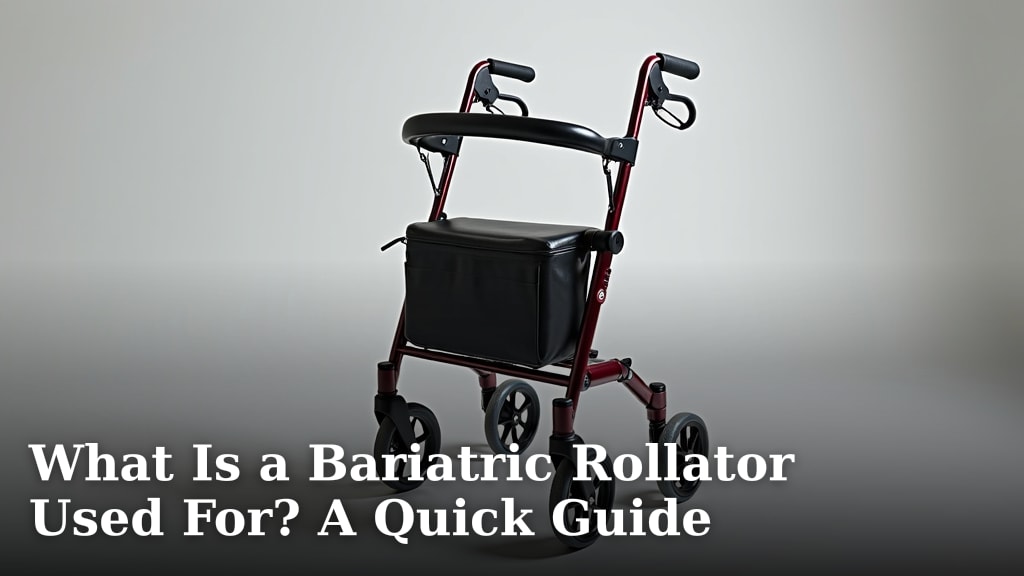
For individuals who need extra support or have a higher body weight, heavy-duty rollators are the answer. These models are built with stronger frames and components. They offer increased stability and a higher weight capacity than standard or lightweight versions. If you’re looking for maximum security and support, this is the category to focus on.
What to Expect from Heavy-Duty Models
You’ll often find that heavy-duty rollators have thicker tubing and more robust wheels. Their weight capacities can range from 350 pounds up to 500 pounds or even more. Many experts suggest looking for models with wider seats and frames for added comfort and stability (Physical Therapy Journal). They might be a bit heavier to lift, but the trade-off is enhanced security.
Features to Look For
- Higher Weight Capacity: This is the defining feature. Ensure it comfortably exceeds your needs.
- Sturdy Construction: Look for strong welds and durable materials.
- Comfortable Seating: A wider, more supportive seat is common.
- Reliable Brakes: Especially important when you need extra stopping power.
When is a Heavy-Duty Rollator Necessary?
If you weigh more than 300 pounds, or if you simply want the most stable and robust option available, a heavy-duty rollator is recommended. They are also a good choice if you plan to use the rollator with a seat for extended periods or in situations where maximum stability is paramount.
All-Terrain Rollators: Adventure Awaits
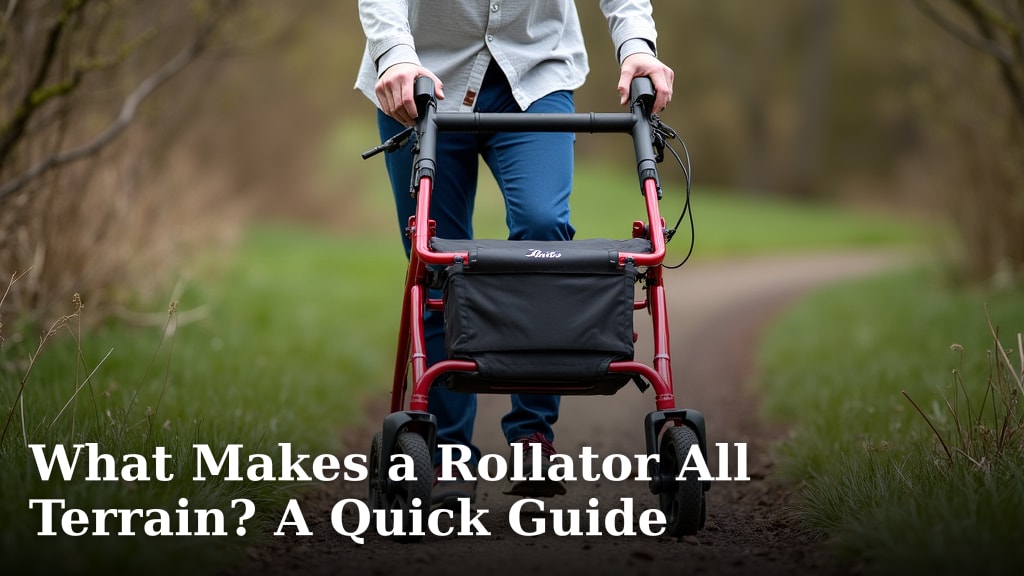
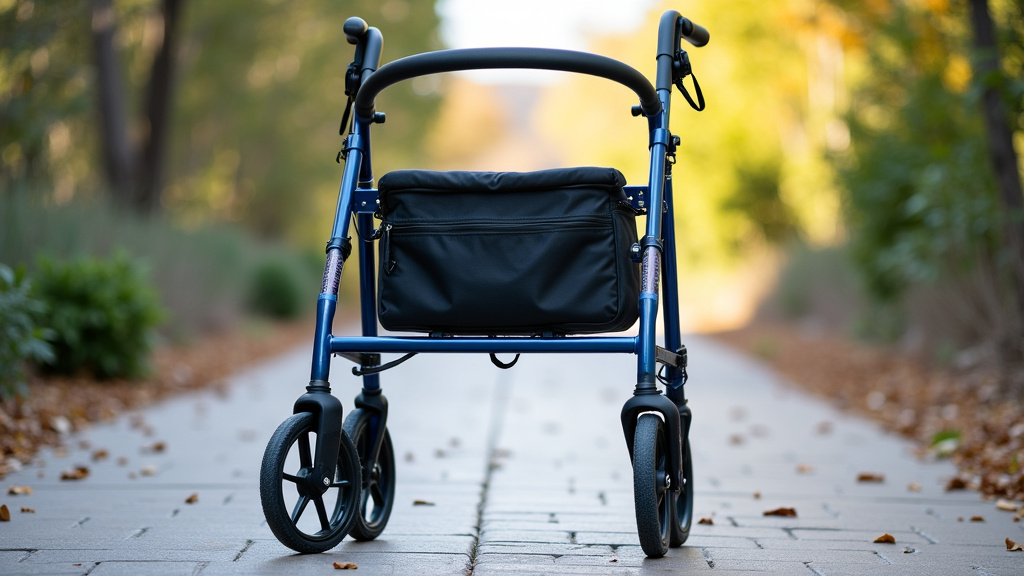
Do you love spending time outdoors but find yourself limited by your mobility? All-terrain rollators are designed to take you further. They are built to handle surfaces that standard rollators struggle with, like grass, gravel, dirt paths, and uneven sidewalks. If you want to maintain an active outdoor lifestyle, these could be your perfect match.
What Sets All-Terrain Rollators Apart?
The magic is in the wheels and the suspension. All-terrain models typically feature larger, wider wheels with deeper treads. This provides better grip and traction on softer or uneven surfaces. Many also incorporate some form of suspension system to absorb shocks and make the ride smoother over bumps. We found that the larger wheels also help prevent the rollator from sinking into softer ground.
Key Features of All-Terrain Models
- Larger, Wider Wheels: Often 8-12 inches in diameter.
- Treaded Tires: For improved grip on varied surfaces.
- Suspension System: To cushion the ride over bumps.
- Durable Frame: Built to withstand outdoor use.
- Often More Maneuverable: Despite larger wheels, good designs handle different terrains well.
Who Needs an All-Terrain Rollator?
These are ideal for active individuals who enjoy gardening, walking in parks, or navigating outdoor spaces with varied terrain. If your daily route includes more than just smooth pavement, an all-terrain rollator can significantly increase your ability to get around comfortably and safely.
Specialty Rollators: Finding Your Niche
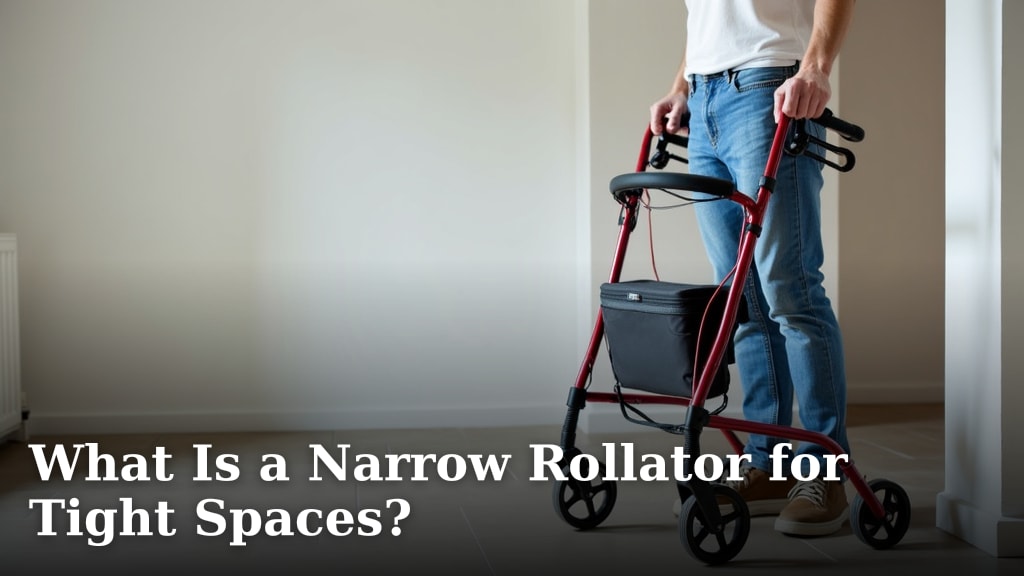
Beyond the main four types, you might also find some specialty rollators. Our junior rollator guide compares them with regular models. These are designed for very specific needs. For instance, some are extra narrow for use in tight indoor spaces like bathrooms or small kitchens. Others might have advanced braking systems for added security. There are even bariatric models, which are a subset of heavy-duty rollators, designed for individuals with very high weight needs and typically wider frames. When you’re exploring, keep an eye out for these niche options if they align with your specific requirements. If you have very high weight needs, you might consider bariatric models.
Making Your Choice: A Quick Checklist
To help you narrow down your decision, consider these points:
- Where will you use it most? Indoors, outdoors, mixed?
- How important is portability? Do you need to lift it often?
- What is your weight? This determines the necessary weight capacity.
- Do you need to rest often? Look for a comfortable seat.
- What is your budget? Prices can vary significantly.
- Any specific terrain challenges? Grass, gravel, hills?
Conclusion
Choosing the right rollator means finding a tool that supports your lifestyle. You’ve learned about standard models for everyday use, lightweight options for easy carrying, heavy-duty rollators for extra support, and all-terrain versions for outdoor adventures. We’ve seen how features like comfortable seats and secure brakes make a big difference. Take a moment to think about where you’ll use your rollator most and the specific support you need. Your next step is to look for models that match your personal requirements. This careful selection will help you move with greater confidence and independence.
Frequently Asked Questions
What’s the main difference between a standard and a lightweight rollator?
The primary difference is weight. Lightweight rollators are made with materials like aluminum to be easier to lift and carry, often weighing 10-15 pounds. Standard rollators are generally heavier but can offer a bit more robust construction for everyday use.
Can I use an all-terrain rollator on smooth indoor floors?
Yes, you can. All-terrain rollators have larger, treaded wheels for outdoor grip. While they work fine indoors, they might be a bit bulkier than a standard indoor model. We found they offer excellent stability even on smooth surfaces.
How do I know if I need a heavy-duty rollator?
You should consider a heavy-duty rollator if you weigh over 300 pounds or need the highest level of stability and support. These models have stronger frames and higher weight capacities, often designed for increased security and comfort.
Are rollators with three wheels as stable as those with four?
Generally, four-wheel rollators offer more stability, especially if they have a seat. Three-wheel rollators are more maneuverable in tight spaces but typically lack a seat and may not provide the same level of balance support.
What does “weight capacity” mean for a rollator?
Weight capacity refers to the maximum amount of weight a rollator is safely designed to support. It’s essential to choose a rollator with a weight capacity that comfortably exceeds your own weight and any items you might carry.