Can You Take a Wheelchair on a Cruise Ship?
Yes, you can take a wheelchair on a cruise ship, and most lines allow manual folding wheelchairs in cabins and public areas. Check your line's size and storage rules before you book, measure your chair folded, and confirm boarding help in advance.
On this page (11 sections)
- Can you take a wheelchair on a cruise ship?
- What size wheelchair fits through a cruise cabin door?
- Where do you store a wheelchair on a cruise ship?
- How does wheelchair boarding work on a cruise ship?
- What wheelchair features help on deck and in port?
- Which transport wheelchair suits a cruise cabin?
- Which lightweight chair suits tighter port turns?
- Which self-propelled wheelchair suits longer deck time?
- What should you pack with a wheelchair for a cruise?
- How do you choose a compact chair for a cruise?
- What should you do before you sail with a wheelchair?
Yes, you can bring a wheelchair on a cruise ship in most cases, especially a manual folding chair that fits through doors and folds flat for storage. Check size limits, cabin storage, and boarding help before you pay for the trip.
A wheelchair on a cruise ship works well for deck walks, port days, and busy terminals. The key is matching the chair to narrow doors, tight turns, elevators, and uneven port surfaces.
We compared folding transport and self-propelled chairs on weight, folded size, seat width, and wheel type.
Can you take a wheelchair on a cruise ship?
Yes, most cruise lines allow manual wheelchairs, and many ships have accessible cabins, elevators, and ramps. Tell the line about your chair before sailing, since size, battery, and storage rules differ by ship.
Manual folding chairs are usually simplest. They need no charging, and crew can often help fold and carry them at boarding.
Bring paperwork or a phone photo with model, weight, and folded size. That helps staff at check-in and in ports.
If you are still choosing a chair, start with best wheelchairs for adults to see which types suit travel and daily use.
What size wheelchair fits through a cruise cabin door?
A folded chair is more likely to fit a standard cabin than an open chair. Measure yours open and folded, and check the clear width of cabin, bathroom, and elevator doors.
Standard cabins often have tighter turns than accessible cabins, so you may need to fold the chair in the hallway.
Seat width matters too. A 17 in or 19 in seat suits many adults, but a wider seat can be harder to push through a door.
Our guide to the best folding wheelchair lightweight options explains why folded width matters for travel.
Where do you store a wheelchair on a cruise ship?
You can store a folded wheelchair under a bed, beside a wall, or in a closet in many cabins, but space is limited. Accessible cabins usually offer more room.
Measure the space under your bed at home and compare it with your folded chair. Cruise beds can sit low, and the chair may not slide under even if it fits in the room.
A fold-flat backrest helps the chair lie flatter, and swing-away footrests let you fold without removing parts. If storage is tight, our guide to wheelchairs with removable wheels shows designs that save space.
How do you fold a wheelchair for cabin storage?
Fold the chair in this order: brakes on, footrests swung or removed, backrest folded, then frame folded. Practice at home so you can do it in a small cabin.
Set both brakes before you move any part. Swing the footrests out of the way, or remove them if the design allows.
Push the handles together until the frame clicks or rests flat. Keep fingers away from pinch points, and place the chair where it will not tip.
After you unfold it, check the brakes and footrests before you sit. A quick check prevents a fall in a small space.
How does wheelchair boarding work on a cruise ship?
Boarding works best when you arrive early, use the accessible entrance, and ask for help before you reach a crowd. Staff can guide you to the gangway and elevator.
Tell the cruise line in advance that you use a wheelchair. Ask where accessible boarding starts, how wide the gangway is, and whether staff can help with lifting.
Keep brakes on during transfers. Rain, wind, and rough seas can make ramps slippery, so wear shoes with grip.
Our list of best wheelchair tray with cup holder options can also help during waits.
What wheelchair features help on deck and in port?
Small wheels, strong brakes, and a fold-flat frame help most on a cruise. Decks can be wet and ports can be uneven, so control and compact size matter.
Transport chairs with 8 in wheels roll well on smooth indoor floors. Bigger rear wheels, such as 12 in wheels, can roll over small bumps more easily.
Hand brakes help a caregiver stop the chair on a ramp, while push-to-lock brakes help a self-propelled user lock the rear wheels before a transfer. Padded seats help on long deck days, and our guide to best gel seat cushion for wheelchair picks lists options for longer sitting.
Which transport wheelchair suits a cruise cabin?
The Drive Medical Folding Transport Wheelchair suits travelers who want a light, compact chair for short rides. It has a steel frame, 8 in wheels, a padded 17 in nylon seat, and swing-away footrests.
It weighs 26 lb and measures 33 x 21.5 x 39 in. That size can fit in many car trunks, and it can fold for a closet or a corner of a cabin.
This is a transport chair, so a helper pushes it. It suits cabin-to-restaurant trips, terminal rides, and short port transfers.
The 17 in seat is narrower than some wider chairs. If you need more hip room, compare seat width first, and try sitting in the chair at home for 30 minutes to check comfort.
Who should choose the Drive Medical transport chair?
Choose it if you want a light chair that folds flat for a small cabin. The swing-away footrests make transfers easier, and the nylon seat wipes clean after a spill.
The steel frame is sturdy for daily use, and the 8 in wheels suit smooth ship floors. Padded armrests give your arms a place to rest during rides.
The fold-flat backrest helps when space is short. Skip it if you want to push yourself for long distances, since a transport chair puts control in the hands of a helper.
That can suit short trips but feel limiting on a long port day.
Which lightweight chair suits tighter port turns?
The Medline Lightweight Foldable Transport Wheelchair suits travelers who want wider seating and larger rear wheels. It has a 19 in wide by 16 in deep seat, 12 in rear wheels, and hand brakes.
Medline says it weighs 26 lb, has a 300 lb weight capacity, and folds for a car trunk. The aluminum frame is light, and the full-length cushioned armrests add comfort.
The 12 in rear wheels can help with tight corners, doorways, and ramps. Hand brakes and rear-wheel locking brakes help with safe transfers.
The seat is wider than the Drive Medical transport chair, so it may suit more adults. The trade-off is a larger folded size, listed at 37.01 x 24.02 x 37.01 in.
Which self-propelled wheelchair suits longer deck time?
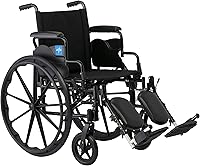
The Drive Medical Blue Streak Lightweight Wheelchair suits travelers who want to push themselves on deck. It has an 18 in seat, swing-away footrests, flip-back desk arms, and push-to-lock brakes.
It weighs 41.3 lb and has a 300 lb weight limit. The footprint is 42 in deep by 36 in wide by 24 in high, so it needs more cabin space than the two transport chairs.
Flip-back desk arms help you get close to a dining table. Swing-away footrests help with transfers, and push handles help a caregiver push when needed.
The single-axle frame and durable solid wheels suit indoor use and level outdoor paths, but it may not be best for rough port ground. Our comparison of lightweight vs ultra lightweight wheelchair options helps you weigh weight, size, and comfort.
How do you decide between transport and self-propelled chairs?
Pick a transport chair for short rides with a helper, and a self-propelled chair for longer time on your own. Your trip plan should drive the choice more than brand preference.
A transport chair is lighter and folds smaller. It works well for boarding, dining, and short terminal rides.
Think about your arms and strength. If pushing for long periods tires you, a transport chair may be safer.
If you want freedom to move without asking for help, a self-propelled chair may suit you better. Also think about cabin space, since the Blue Streak is heavier and larger than the transport chairs.
What should you pack with a wheelchair for a cruise?
Pack a charger or spare parts only if your chair needs them, plus tools, covers, and documents. For a manual chair, you still need a plan for repairs and weather.
Bring a small tool kit, tire or tube help if your wheels need it, and cleaning wipes. Salt air and sea spray can leave residue, so a quick wipe after deck time helps.
Bring a rain cover for the seat, and keep a small bag under the seat for meds, glasses, and a phone. Bring your chair manual and a list of parts to help a shop in port.
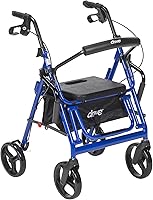
Our guide to Rollator vs Wheelchair: A Senior’s Guide can help you compare walking support with seated support.
How do you choose a compact chair for a cruise?
Choose a compact folding chair with the right seat width, wheel size, and folded dimensions for your cabin. Measure first, then compare chairs on paper before you buy freight or luggage space.
Our guide to the best compact folding wheelchair options lists chairs that fold small for travel. Use folded width, folded depth, and weight as your main filters.
Sit in a chair before you sail if you can. Check seat width, footrest height, armrest height, and brake reach.
Read the cruise line's rules on chair size, battery type, and storage. A quick call can save a problem at boarding.
What should you do before you sail with a wheelchair?
Do a full practice run before sail day: fold, carry, unfold, brake, and transfer. That test shows weak points while you still have time to fix them.
Fold the chair 10 times at home. Lift it into your car, carry it up a curb, and unfold it in a small space.
Check brakes, footrests, tires, and frame bolts. Tighten loose parts and clean the wheels, since parts can be hard to find at sea.
Tell the cruise line your arrival time, chair type, and transfer needs, and ask for a cabin near an elevator if you can.
Frequently asked questions
Can I store a wheelchair in a cruise cabin?
Many cabins can store a folded manual wheelchair, but space varies by ship and cabin type. Measure your chair folded, check the cabin door width, and ask the cruise line about storage before you book, since accessible cabins offer more room.
What size wheelchair fits a cruise cabin door?
Standard cabin doors are often narrower than accessible cabin doors, so a folded chair may pass where an open chair will not. Measure your chair open and folded, and check the door clear width with the cruise line before sail day.
Are transport wheelchairs easier to take on a cruise?
Transport wheelchairs are often easier to carry and fold for travel, but they are pushed by a helper. They suit short rides and transfers, while a self-propelled chair suits longer time on deck and in ports.