What Is a Narrow Rollator for Tight Spaces?
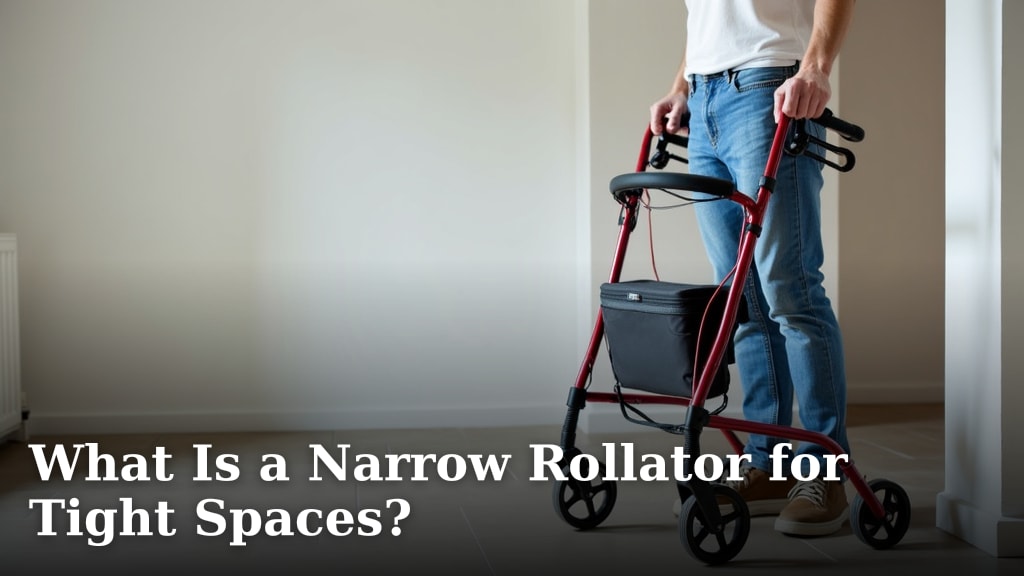
A narrow rollator is a mobility aid designed for smaller spaces. It’s a type of rolling walker with wheels, a seat, and handlebars. The key feature is its slimmer profile, making it easier to maneuver through tight doorways and hallways. You’ll find it a great help for navigating crowded environments or smaller homes.
Choosing the right rollator can make a big difference in your daily life. Narrow rollators are often lighter and more compact than standard models. This can mean better independence and less worry about bumping into things. We looked into what makes these specific rollators so useful for many people.
- A narrow rollator is a compact rolling walker.
- It’s designed for easy movement in tight areas.
- Key features include a slimmer frame and maneuverability.
- They help maintain independence in smaller homes or crowded spaces.
Below, we’ll walk you through exactly what a narrow rollator is and why it might be the perfect fit for your needs.
Understanding the Compact Rolling Walker for Your Home
A narrow rollator is a type of rolling walker with wheels. It offers a more compact design than a standard rollator. This makes it ideal for navigating smaller living spaces. You might be wondering if this specific type of mobility aid is right for you. We’re here to help you understand its benefits.
Think of it like a slim-fit version of a traditional rollator. It still gives you the same support: a frame to lean on, a place to sit, and a way to carry your belongings. The main difference is its width. It’s built to be less bulky, which can make a world of difference indoors.
What Exactly Makes a Rollator “Narrow”?
The “narrow” in narrow rollator refers to its frame width. Standard rollators can be quite wide, sometimes over 25 inches. This can make them a challenge to get through doorways or around furniture. A narrow rollator, however, is specifically designed to be slimmer.
You’ll often find these models measure around 20-24 inches wide, sometimes even less. This smaller footprint is the key feature. It allows for much easier passage through typical household doorways and hallways. It’s like swapping your sedan for a compact car when parking in a tight spot – same purpose, just more agile.
Key Features of a Narrow Rollator
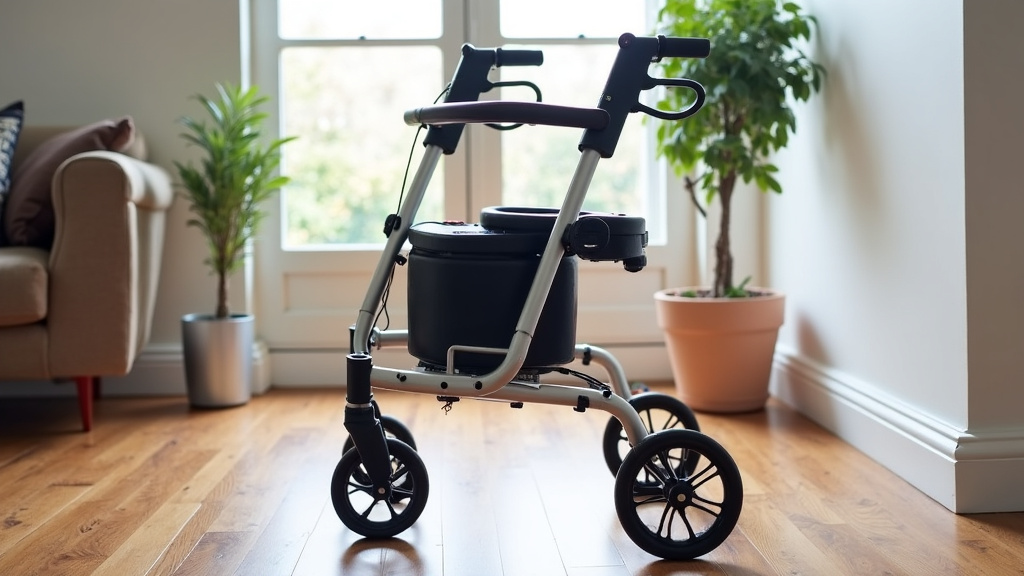
While the width is the standout feature, narrow rollators share many functional aspects with their wider counterparts. You can expect to find these common elements:
- Wheels: Usually, they have two or four wheels for easy rolling.
- Seat: Most narrow rollators come with a built-in seat. This offers a convenient place to rest when you need it.
- Handlebars: Adjustable handlebars allow you to set the height for comfortable and safe support.
- Brakes: Hand brakes are standard. They help you slow down or lock the wheels when sitting or on an incline.
- Storage: Many models include a pouch or basket for carrying personal items.
The design focuses on maintaining these essential support features while reducing the overall width. It’s about optimizing for maneuverability without sacrificing usability.
Why Choose a Narrow Rollator for Tight Spaces?
The primary reason to consider a narrow rollator is simple: your environment. If you live in a smaller home, an apartment, or a place with many narrow passages, a standard rollator might feel cumbersome. A narrow model is built to fit.
Navigating Smaller Homes and Apartments
Many people find that their homes weren’t necessarily built with mobility aids in mind. Doorways can be narrow, and furniture placement might leave little room to maneuver. A narrow rollator can help you move around your home more freely and with less difficulty.
Imagine trying to get from your bedroom to the kitchen. If the hallway is tight, a wide rollator can feel like trying to steer a large boat through a narrow canal. A narrow rollator, on the other hand, feels more like a kayak – nimble and able to turn easily. This can significantly reduce frustration and increase your independence within your own home.
Easier Movement in Crowded Areas
It’s not just about home. If you enjoy going out to places like grocery stores, malls, or community centers, you might encounter crowded aisles. A narrow rollator makes it easier to navigate these public spaces without constantly bumping into displays or other shoppers. This can lead to a more pleasant and less stressful outing.
We found that users often report feeling more confident when shopping or visiting busy places with a narrower mobility aid. It allows them to maintain a comfortable pace without feeling like they are blocking others or getting stuck themselves.
Benefits for Independence and Safety
The ability to move more easily directly impacts your sense of independence. When you can navigate your surroundings without constant worry about bumping into things or getting stuck, you feel more in control. This can encourage you to be more active, both at home and when you go out.
Safety is also a key benefit. A rollator provides stable support, and a narrower design means less chance of an accident caused by a wide frame getting caught on something. For instance, if a standard rollator’s side wheel snags on a rug corner, it could cause a fall. A narrower design may reduce this risk in certain situations. The Centers for Disease Control and Prevention (CDC) highlights the importance of safe mobility for preventing falls.
Comparing Narrow Rollators to Other Mobility Aids
It’s helpful to see how narrow rollators fit into the broader picture of mobility assistance. While they offer specific advantages, they aren’t the only option, and the best choice depends on your unique needs.
Narrow Rollators vs. Standard Rollators
The main difference, as we’ve discussed, is width. Standard rollators are generally wider, offering a larger seat and a more substantial frame. This can sometimes translate to being sturdier or having more features. However, this width comes at the cost of maneuverability in tight spots.
Narrow rollators sacrifice a bit of that width for agility. They are often lighter too, making them easier to lift into a car. If your primary challenge is navigating narrow spaces, a narrow rollator is likely a better fit. If you need maximum stability or a very wide seating area, a standard rollator might be considered.
Narrow Rollators vs. Walkers
Traditional walkers (without wheels) offer a stable, stationary support. They are good for providing a steady base but require you to lift and reposition them with each step. This can be tiring and slower.
Rollators, including narrow ones, have wheels. This means you can simply glide along, which is less taxing and allows for faster movement. The seat is also a major advantage for those who need to rest frequently. While a walker provides consistent support, a rollator offers mobility and resting options, making it more suitable for longer distances or for people who tire easily. The National Institute on Aging (NIA) notes that wheeled walkers (rollators) can help with mobility and independence.
Narrow Rollators vs. Canes
Canes offer minimal support, usually for one side of the body. They are excellent for minor balance issues or providing a little extra stability. They are very lightweight and easy to carry.
However, a cane doesn’t offer a place to sit, nor does it provide the same level of support as a rollator. If you need help with balance, have difficulty walking long distances, or require a place to rest, a cane simply won’t suffice. A narrow rollator offers a much higher degree of support and functionality.
A Quick Comparison Table
| Feature | Narrow Rollator | Standard Rollator | Walker | Cane |
|---|---|---|---|---|
| Width | Slim (approx. 20-24 inches) | Wider (approx. 25+ inches) | Narrow frame | Very narrow |
| Wheels | Yes (2 or 4) | Yes (2 or 4) | No | No |
| Seat | Yes | Yes | No | No |
| Best For | Tight spaces, smaller homes | Wider spaces, more stability needs | Steady support, short distances | Minor balance aid |
Things to Consider When Choosing a Narrow Rollator
Selecting the right narrow rollator involves looking beyond just its width. Several factors can influence your comfort and satisfaction. What works for one person might not be the perfect fit for another.
Weight Capacity and User Weight
Always check the weight capacity of the rollator. Manufacturers list this information, and it’s essential for safety and durability. Ensure the rollator you choose can comfortably support your weight. Exceeding this limit can damage the device and create a safety hazard.
Height Adjustability
The handlebars should adjust so they are at a height that allows your elbows to be slightly bent when standing upright. This is crucial for good posture and comfortable walking. Most narrow rollators offer adjustable handles, but check the range to ensure it fits your height. Proper handlebar height, as recommended by many physical therapists, can prevent back strain.
Ease of Folding and Portability
If you plan to transport your rollator in a car, consider how easily it folds. Some models fold compactly, while others might be more cumbersome. Look for a mechanism that is easy for you to operate. We found that lighter rollators are generally easier to lift and store.
Wheel Size and Type
Rollators come with different wheel sizes. Smaller wheels are common on narrow models for better maneuverability indoors. Larger wheels tend to handle uneven outdoor surfaces better. Consider where you’ll be using it most. For indoor use in tight spaces, smaller, agile wheels are often ideal.
Brake Functionality
Test the brakes if possible. Do they engage smoothly? Are they easy to squeeze? Some rollators have lockable brakes that are important for safety when you want to sit down and rest without the rollator rolling away. Reliable brakes are a key safety feature.
Is a Narrow Rollator Right for You? A Quick Checklist
To help you decide if a narrow rollator is the best choice for your needs, consider these points:
- Do you live in a home with narrow doorways or hallways?
- Do you often find yourself navigating crowded indoor spaces?
- Are you looking for a mobility aid that is easier to maneuver than a standard rollator?
- Do you need the support of a rolling walker but have limited storage space?
- Is portability important for fitting your rollator into a car?
- Would a slightly slimmer design make you feel more confident moving around your environment?
Conclusion
You’ve learned that a narrow rollator is designed for easier movement in smaller homes and crowded places. Its slimmer frame helps you navigate tight doorways and hallways with less trouble. While it offers the same support and resting options as a standard rollator, it prioritizes agility. If you’re seeking more independence and confidence in your daily travels, consider if a narrow rollator’s compact design fits your lifestyle. To find the right one, think about your specific needs, like height, weight capacity, and how you’ll transport it. Ready to make a change? Your next step could be to measure your most common indoor pathways and compare them with the dimensions of potential narrow rollators.
Frequently Asked Questions
What is the typical width of a narrow rollator?
Narrow rollators usually measure around 20 to 24 inches wide, sometimes even a bit less. This is significantly slimmer than standard models, which can exceed 25 inches. This reduced width is key to their ability to fit through tighter spaces.
Can a narrow rollator be used outdoors?
Yes, many narrow rollators can be used outdoors, especially on smooth surfaces like paved paths or sidewalks. However, their typically smaller wheels might make navigating very uneven terrain or grass more challenging than larger-wheeled models.
How do I know if I need a narrow rollator instead of a standard one?
If you frequently find yourself bumping into furniture, struggling with narrow doorways, or feeling cramped in your own home or in public spaces, a narrow rollator is likely a better fit. If you have ample space and prioritize a wider seat, a standard rollator might be suitable.
Are narrow rollators lighter than standard rollators?
Often, yes. Because they have a more compact frame, narrow rollators tend to be lighter than their wider counterparts. This can make them easier to lift and maneuver, especially if you need to load them into a car.
What is the main benefit of the seat on a narrow rollator?
The seat provides a convenient place to rest when you feel tired. This can significantly extend your ability to walk or stand for longer periods, improving your endurance and independence throughout the day without needing to find a bench or chair.