What Is a Four Wheeled Walker Called? Explained
On this page (9 sections)
- Understanding the Rollator: Your Four-Wheeled Walker
- Rollator vs. Standard Walker: What’s the Real Difference?
- Key Features That Make a Rollator Helpful
- Are Rollators Covered by Insurance or Medicare?
- Tips for Using Your Rollator Safely and Effectively
- Your Rollator Shopping Checklist
- Making the Choice with Confidence
- Conclusion
- Frequently Asked Questions
A four-wheeled walker is most commonly called a rollator. This type of mobility aid features four wheels, a seat for resting, and hand brakes for control, unlike a basic standard walker.
You might also hear it described as a rolling walker or a wheeled walker. We found that the key difference between a rollator and a standard walker is the built-in wheels, which make it easier to use on most surfaces.
- A four-wheeled walker is officially known as a rollator.
- The main differences from a standard walker are the wheels, brakes, and a seat.
- Rollators are designed for people who need light support but can bear weight.
- They provide stability and a convenient place to sit during walks.
- Choosing between a rollator and a walker depends on your strength and where you’ll use it.
Below, we break down the differences, key features, and benefits of a rollator to help you decide if it’s the right choice for you or a loved one.
Understanding the Rollator: Your Four-Wheeled Walker
So, what exactly do we mean when we talk about this specific mobility aid? A four-wheeled walker, or rollator, is a rolling frame designed to provide stable support while allowing for fluid movement. It’s not just a standard walker with wheels added. Think of it as an upgrade focused on comfort and convenience for those who need support but don’t require the heavy-duty frame of a traditional walker.
Many healthcare providers, including those at the Cleveland Clinic, describe a rollator as an ideal choice for individuals who have trouble with balance but can still bear weight on their legs. It’s a tool to help you maintain independence during walks, whether you’re heading to the mailbox or strolling through a grocery store.
The Core Components of a Standard Rollator
Every rollator you encounter will share a few key features. These aren’t just add-ons; they define what makes it a rollator. The design focuses on user safety and ease of use.
- Four Wheels: Usually with rolling casters, allowing for smooth movement.
- Hand Brakes: Typically looped brakes you can squeeze to slow down or push down to lock the wheels in place.
- Padded Seat: A built-in place to sit and rest when you need a break.
- Support Handlebars: Ergonomic grips for you to hold onto for stability.
- Basket or Pouch: Often included under the seat for carrying small items.
We found that this combination of features is what makes the rollator so versatile for everyday errands and outings.
Rollator vs. Standard Walker: What’s the Real Difference?
The choice between a rollator and a standard (or “pickup”) walker is one of the most common questions. It’s not about which is better overall, but which is better for your specific needs. The differences are significant and impact how each device is used.
How They Move and Function
A standard walker requires you to lift it with each step. You move it forward, then step into the frame. This provides maximum stability but can be tiring and slow. It’s like taking a step, picking up a piece of furniture, and placing it down again with every move.
A rollator, on the other hand, rolls smoothly ahead of you. You simply walk, holding the handles and using the brakes as needed. This promotes a more natural, upright walking pattern. Research suggests this can lead to less energy expenditure during walks for some users.
When to Choose a Rollator Over a Walker
A rollator is often the preferred choice in several common situations. Experts at the Mayo Clinic note that mobility aids should match the user’s strength and environment. Here are key scenarios where a rollator shines:
- You get tired easily during walks and need frequent rest stops.
- You need to carry items like a purse, shopping bag, or water bottle.
- You are walking on mostly smooth, even surfaces like sidewalks, malls, or flat floors.
- You have good hand and arm strength to operate the hand brakes effectively.
- Your balance is fair, but you don’t need the extreme stability of a non-wheeled walker.
When a Standard Walker Might Be Better
Despite its conveniences, a rollator isn’t the right tool for everyone. A standard walker is often recommended if:
- You have very weak arms or hands and cannot reliably use hand brakes.
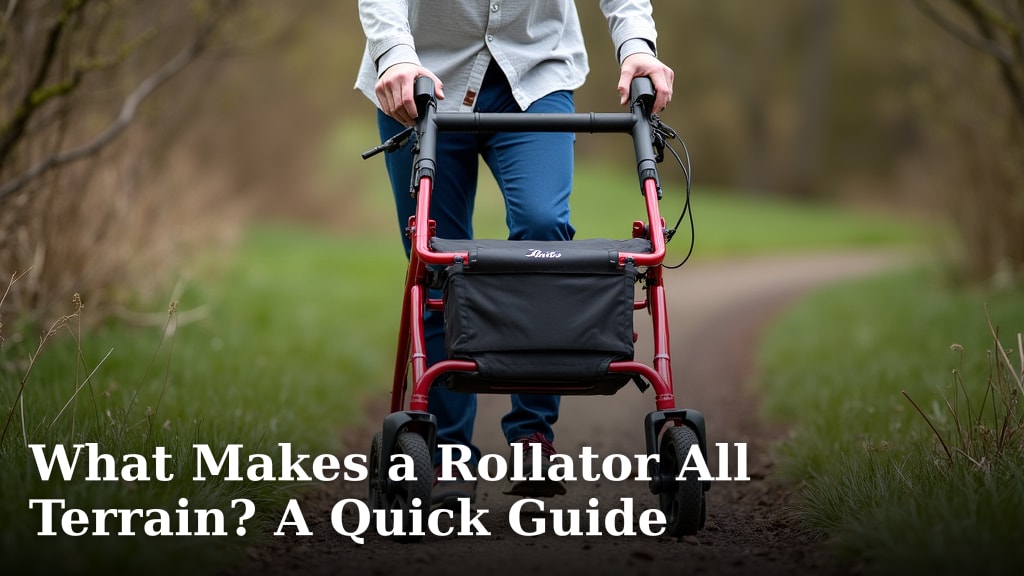
- You walk on uneven terrain like gravel, grass, or thick carpet often.
- You tend to put a lot of your weight onto the walker handles and lean forward heavily.
- Your primary need is for maximum, rock-solid stability over ease of movement.
Key Features That Make a Rollator Helpful
Beyond the basic design, several features contribute to the rollator’s functionality. Understanding these helps you pick the right model for your lifestyle.
The Importance of the Brakes and Seat
The hand brakes are a critical safety feature. They allow you to control your speed on gentle slopes and, most importantly, lock the wheels to park the rollator safely when you sit. Always engage the brakes before sitting down. The padded seat transforms your walk into an adventure you can enjoy without fear of overexertion. It’s a portable bench that goes wherever you do.
Types of Brakes You Might Encounter
Most rollators have loop brakes that you squeeze to brake and push down to lock. Some heavy-duty models may have push-down brakes instead. It’s essential to be comfortable operating the brakes on any model you choose. Practice squeezing and locking them at home before you head out.
Weight Capacity and Frame Type
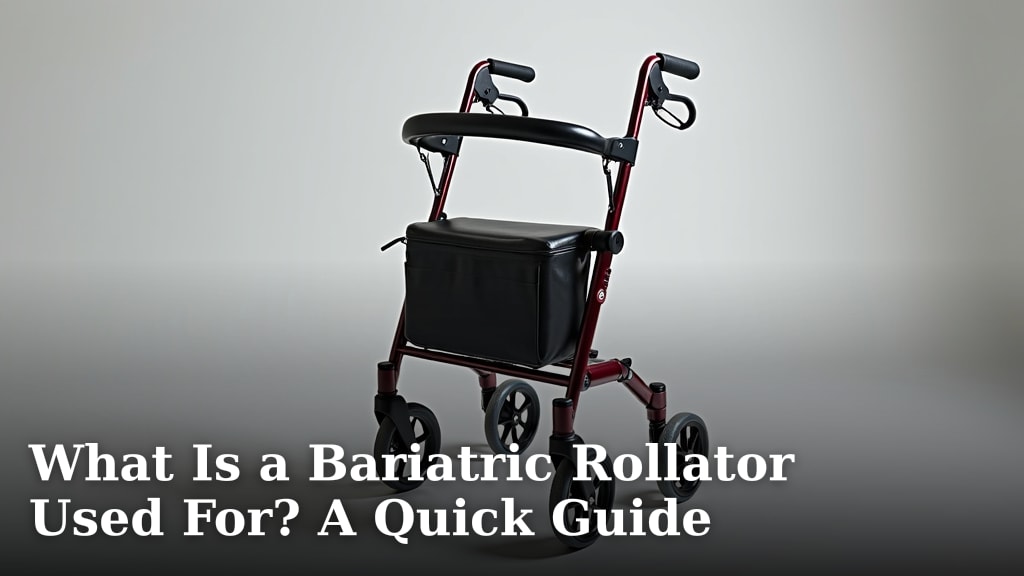
Rollators come in different weight classes. Standard models often support up to 250-300 pounds. Heavy-duty or bariatric rollators are built with a wider frame and stronger materials, supporting 300 pounds and up. Always check the weight capacity listed by the manufacturer to ensure safety. The frame can be made of lightweight aluminum or more durable steel.
| Feature | Standard Rollator | Heavy-Duty Rollator |
|---|---|---|
| Typical Weight Capacity | 250 – 300 lbs | 300 – 500+ lbs |
| Frame Width | Narrower (around 22″) | Wider (24″ to 30″) |
| Wheel Size | Often 6 inches | Often 6-8 inches for stability |
| Best For | Average-sized users needing support and convenience. | Users needing extra support, space, and durability. |
Are Rollators Covered by Insurance or Medicare?
This is a practical concern for many. Generally, if a rollator is deemed medically necessary by a doctor, it may be covered. Many insurance plans, including Medicare Part B, will cover a portion of the cost. The process typically requires a prescription from your physician and documentation that you have a mobility limitation that affects your daily life. We recommend contacting your insurance provider directly to ask about their specific requirements for durable medical equipment (DME).

Tips for Using Your Rollator Safely and Effectively
Getting a rollator is the first step. Using it correctly is what ensures your safety and comfort. Here are some proven best practices.
Getting the Right Fit
An improperly adjusted rollator can cause poor posture or even be unsafe. When standing upright, the handle grips should be at the level of your wrist crease when your arms are relaxed at your sides. This allows for a slight bend in your elbow when holding the grips. Most rollators have height-adjustable handles for this reason. For help comparing sizes, see our guide to junior and regular rollators.
Daily Use and Maintenance
A rollator is like a reliable car; it needs simple care to keep running well. Wipe it down regularly, check that the wheels are tight and roll smoothly, and ensure the brakes engage firmly. If you notice any issues, have it checked by a mobility professional before using it again.
Your Rollator Shopping Checklist
Ready to choose? Don’t rush. Use this checklist to make sure you find a rollator that truly fits your life.
- ✓ Confirm Weight Capacity: Ensure it supports your weight with a safe margin.
- ✓ Test the Brakes: Are they easy for you to squeeze and lock comfortably?
- ✓ Check the Seat Height: Can you sit down and stand up from it without strain?
- ✓ Assess the Weight: Can you lift it (about 15-20 lbs) into a car trunk if needed?
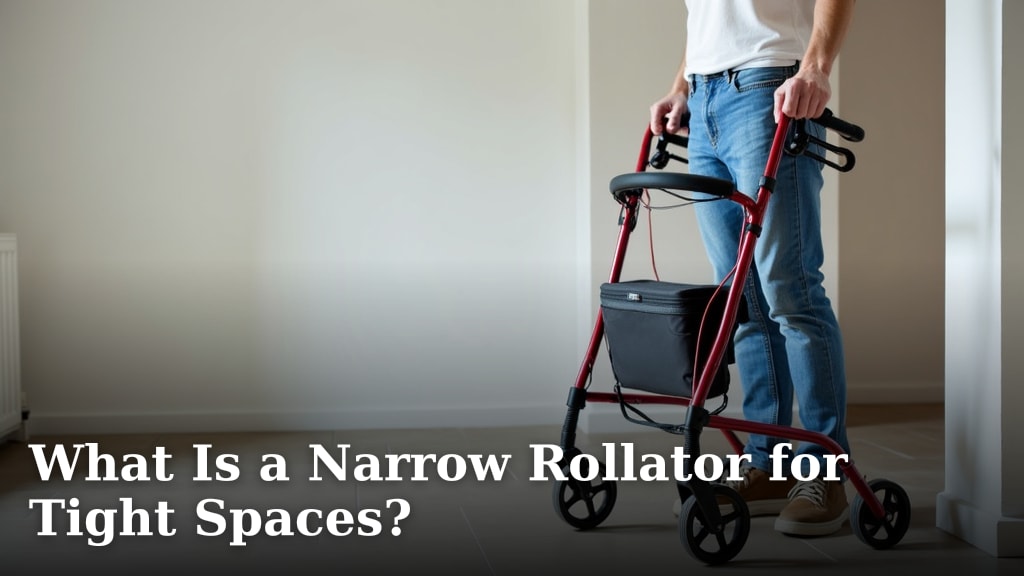
- ✓ Measure Doorways: Make sure the rollator’s width fits through the narrowest doorway in your home.
- ✓ Consider Storage: Does it fold easily? Is the basket big enough for your essentials?
Making the Choice with Confidence
Ultimately, a four-wheeled walker called a rollator is a fantastic tool for promoting safe, independent mobility. It bridges the gap between needing no assistance and requiring a more supportive walker. By understanding its features, comparing it honestly to other options, and thinking about your daily environment, you can make a choice that brings you peace of mind and a greater sense of freedom. Always consider talking with a physical therapist or occupational therapist for personalized advice tailored to your unique situation.
Conclusion
You now know a four-wheeled walker is called a rollator. It’s a mobility aid designed for independence, offering wheels for movement, brakes for control, and a seat for rest. It’s perfect if you need support on smooth surfaces but have good arm strength.
The right choice always comes down to your personal strength, your home environment, and your daily needs. Use the checklist and compare the key features we discussed. Your best next step is to talk with your doctor or a physical therapist. They can provide personalized advice and help with any insurance paperwork you might need.
Frequently Asked Questions
How do I clean and maintain my rollator?
Wipe down the frame, handles, and seat with a damp cloth and mild soap regularly. Check the wheels for debris and ensure they spin freely. Inspect the brakes to confirm they engage tightly, and have any loose parts checked by a professional promptly.
Can I use a rollator on stairs?
No, rollators are not designed for use on stairs. They are for level ground and gentle slopes only. For stair safety, you should rely on handrails or a staircase lift, and always have another person nearby for assistance if needed.
What does “medically necessary” mean for insurance coverage?
It means a doctor must officially document that you have a mobility limitation that impacts your daily activities. Your physician will write a prescription and a “letter of medical necessity” explaining why a rollator is required for your safety and independence.
Does the brake lock on one side or both?
Standard rollator hand brakes control the wheels on both sides together. When you squeeze the left brake lever, both left and right wheels engage. This synchronized design ensures stable, safe stopping and parking from either handle.
Are there different rollators for indoor and outdoor use?
Most standard rollators work for both, but some models have features suited to specific environments. Outdoor models often have larger, more rugged wheels. Indoor models may have smaller wheels and a more compact frame for navigating tight spaces in your home.