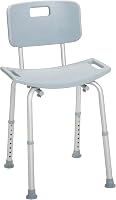
How to Clean a Bedside Commode
Empty the bucket, wash it with cleaner and water, disinfect as directed, and let every part dry before reuse. Clean the seat, lid, frame, armrests, and nearby floor during the same routine.
On this page (10 sections)
- What should you prepare before cleaning a bedside commode?
- How do you empty and clean the commode bucket?
- How do you clean the seat, lid, and armrests?
- How do you clean the commode frame and feet?
- Should you use disposable liners in a bedside commode?
- What should you do about odors?
- How do you clean nearby surfaces?
- How do you reassemble and check the commode?
- How often should you clean a bedside commode?
- What is the safest cleaning routine?
Here's how to clean a bedside commode: empty the bucket, wash and disinfect it according to the cleaner label, wipe the seat and frame, then dry every part before putting it back together. Clean nearby floors and touch points when they become soiled.
Wear disposable gloves if you are cleaning bodily waste, keep the area ventilated, and wash your hands after removing the gloves. Never mix bleach, ammonia, acids, or other cleaning chemicals.
What should you prepare before cleaning a bedside commode?
Prepare gloves, disposable bags, cloths, warm water, and a suitable bathroom cleaner before you start. Keep the commode manual and the cleaner label available in case they specify different materials, rinsing steps, or contact times.
Move the commode away from rugs or clutter if you can do so safely. If it is being used as a raised toilet seat or safety frame, follow the manufacturer's instructions before removing the bucket or changing its position.
A commode chair may have a bucket, splash guard, seat, lid, armrests, and adjustable frame parts. For users who also need reclining support, compare reclining wheelchairs with commodes.
Identify which pieces are removable before cleaning so you don't force a pin, hinge, or connection.
How do you empty and clean the commode bucket?
Remove the bucket carefully, empty it into the toilet, and avoid splashing. Hold the bucket level, especially when it contains liquid, then close or bag any liner before carrying it away.
If the bucket has a liner, check the inside and rim for leakage. A liner can reduce direct contact with the pail, but it does not remove the need to clean residue that reaches the bucket.
Wash the bucket with warm water and a cleaner approved for its material. Wipe the interior, underside, rim, handle, splash shield, and lid, since residue can collect in places that are easy to miss.
Follow the disinfectant's label for the correct wet contact time. Rinse if the directions require it, then place the bucket where air can reach all sides while it dries.
The Drive Medical Folding Bedside Commode has a 7.5-quart bucket, splash shield, carry handle, and protective cover, so include each of those areas in the routine.
Its adjustable height and fold-up steel legs mean you should also check the push-pin areas and feet after cleaning. Keep the frame stable and dry before anyone sits down.
How do you clean the seat, lid, and armrests?
Wipe the seat, lid, and armrests from the cleanest area toward the dirtiest area. Use a fresh section of cloth for each surface, and pay special attention to the seat underside, hinges, seams, and armrest edges.
Do not soak padded or covered parts unless the manual allows it. Apply cleaner to a cloth when direct spraying could send liquid into a hinge, adjustment opening, or other connection.
The seat and lid should be fully dry before you replace the bucket. Moisture left beneath the seat can create odor and make the commode uncomfortable to use.
If the seat needs more cushioning, compare best bedside commode cushions after measuring the seat and checking how a cushion affects stability and clearance.
How do you clean the commode frame and feet?
Wipe the frame, arm supports, legs, adjustment pins, and feet, then dry them completely. Soil can collect around joints and rubber feet, while excess water can remain beneath the frame.
Use a damp cloth rather than flooding the frame. Work around the powder-coated steel surfaces, plastic parts, and connections without forcing water into moving or adjustable areas.
Check that the legs remain fully open and that the height pins are seated correctly after cleaning. Do not use the commode until the frame is stable and dry.
For broader bathroom cleaning, see best bedside commode accessories and choose only items that do not interfere with the commode's balance or moving parts.
Should you use disposable liners in a bedside commode?
Use a liner when easier emptying and lower bucket contact are useful, but choose the right type for your routine. Fit it over the pail without blocking the seat or leaving loose plastic where it can catch.
Vive Commode Liners with Absorbent Pads come as 24 liners and 24 absorbent pads. The medical-grade LDPE plastic liners have drawstrings, and each absorbent pad holds up to 16 ounces of saline or 32 ounces of water.
The absorbent pad may suit a routine where liquid control matters. The liners are unscented, so they don't add fragrance to the room, and their universal sizing is intended for standard or bariatric commode pails.
Elzrghs Commode Liners provide 100 disposable drawstring liners, with a 21 x 16 in size and medical-grade LDPE plastic. Absorbent pads are not included, so pair them with a separate method of liquid control if your routine needs one.
Choose the Vive option when included absorbent pads are useful. Choose Elzrghs when a 100-count supply matters and you already have another way to manage liquid.
Tie the drawstrings before carrying a used liner. If a liner leaks, clean and disinfect the bucket, rim, seat underside, and any nearby surface that may have been touched.
What should you do about odors?
Prompt emptying, full bucket cleaning, and complete drying are the main odor controls. Fragrance can cover a smell without removing the residue that causes it.
Wash the bucket rim, underside, splash shield, and lid as well as the interior. Clean the floor and nearby touch points if the bucket was carried through the room or a spill occurred.
Use a cleaner made for bedside commodes when you want a product chosen for this task. Our guide to best cleaners for bedside commodes can help you compare cleaning approaches.
Don't combine products to create a stronger odor treatment. If a smell remains after washing and drying, inspect the bucket, liner fit, seat underside, and nearby floor for residue.
How do you clean nearby surfaces?
Clean the floor, wall area, grab points, and other nearby surfaces after the commode itself is finished. Start with visible soil, then use the appropriate cleaner for each surface.
Keep the commode away from wet flooring until the feet and surrounding floor are dry. A bedside commode cover may help keep a clean commode protected between uses, but it should not cover a wet or dirty surface.
If the commode sits beside a bed, wipe any handles, bed rails, switches, or tables that may be touched during transfers. For a mobility aid used in the same room, see how to clean a wheelchair.
How do you reassemble and check the commode?
Reassemble the commode only after the bucket, seat, frame, and floor are dry. Confirm that the bucket sits correctly, the lid and seat are secure, and the legs are fully open.
Check each height pin, foot, armrest, and connection before use. Don't use the commode if a part is cracked, loose, unstable, or difficult to lock.
For replacement components, see best bedside commode replacement parts. If you are deciding between toileting and bathing equipment, compare a bedside commode vs shower chair before changing the setup.
How often should you clean a bedside commode?
Empty and clean the bucket after each use, then clean the seat and touch points whenever they are soiled. Wipe the frame and feet during the same routine if splashes or spills reach them.
Use a fuller cleaning when changing liners, after a leak, or when odor remains after emptying. Keep the routine consistent, and follow the commode and cleaner instructions if they require extra steps.
What is the safest cleaning routine?
The safest routine is simple: prepare supplies, empty the bucket, wash and disinfect the bucket, wipe the seat and frame, clean nearby surfaces, and dry everything before reuse.
Choose Vive liners if the included absorbent pads fit your routine. Choose Elzrghs for its 100-count supply when you do not need included pads.
The Drive Medical commode suits readers who want an adjustable-height, folding frame with a 7.5-quart bucket.
Keep a suitable cleaner nearby and inspect the commode after each full cleaning. Replace damaged parts before use, and use the best bedside commode accessories guide when you need help planning the rest of the setup.
Frequently asked questions
How often should you clean a bedside commode?
Clean the bucket after each use, then wipe the seat, lid, armrests, and nearby surfaces as needed. Give the frame and feet a fuller wash whenever they become soiled or when you change the cleaning routine.
Follow the commode manual and cleaner instructions for contact time and rinsing.
What cleaner is safe for a bedside commode?
Use a cleaner and disinfectant that is suitable for the commode's materials, then follow the product label and the commode manual. Avoid mixing cleaning chemicals.
Apply cleaner to a cloth when appropriate, keep liquid away from openings, and rinse or wipe away residue as directed.
Can you use liners in a bedside commode?
Yes, liners can make emptying and bucket cleanup easier when they fit the pail securely. Check the liner size and whether it includes an absorbent pad.
Tie or close the liner before disposal, and still clean the bucket if leakage or residue reaches its inside surface.
How do you remove odor from a bedside commode?
Empty the bucket promptly, wash away residue, and use a suitable cleaner according to its label. Dry the bucket and frame completely before reassembly.
A liner may help contain liquid and odors, but it does not replace cleaning after a spill or leak.