What Is the Best Wood for a Walking Cane?
The best wood for walking cane use is usually hickory or oak for strength, or ash for a lighter feel. Hickory handles shock well, oak is widely available and sturdy, and ash is lighter with good flex. Choose by your weight, grip, and how far you walk each day.
On this page (12 sections)
- What Is the Best Wood for Walking Cane Strength and Daily Use?
- How Does Weight Affect Comfort on Longer Walks?
- Which Wood Handles Shock and Uneven Ground Best?
- How Do Grain and Shaft Shape Change Strength?
- Which Woods Are Easiest to Grip and Finish?
- How Should Wood Compare With Metal for Adjustable Height?
- Which Wood Suits Men, Women, and Different Hand Sizes?
- When Is a Folding Cane or Seat Cane a Better Pick Than Wood?
- How Do You Measure for the Right Cane Height?
- How Should You Care for a Wooden Cane Over Time?
- When Should You Consider a Rollator or Walking Frame Instead?
- Final Check: How Do You Pick the Best Wood for Walking Cane Use?
The best wood for walking cane use is usually hickory or oak for strength, or ash for a lighter feel. Hickory is tough and absorbs shock, oak is strong and easy to find, and ash is lighter with a useful flex.
The right pick depends on your weight, your grip, and how far you walk.
Wood is not the only choice. Some users prefer a metal cane because it adjusts to height.
If you want a full overview first, read our guide to walking canes for adults. That guide explains height, grips, tips, and folding styles before you narrow the choice to wood.
What Is the Best Wood for Walking Cane Strength and Daily Use?
Hickory is often the top pick when strength matters most. It is dense, tough, and has good shock resistance, so it suits heavier users and uneven paths.
Oak is a close second for strength and is usually easier to buy as a finished cane.
Ash is a strong choice when you want less weight in your hand. It is lighter than oak but still firm, and its natural flex can make steps feel less harsh.
Maple is also firm and smooth, though it can feel heavier than ash.
Beech is another steady option for general use. It turns well on a lathe, takes a smooth finish, and holds up for everyday walking.
Cherry is attractive and fairly hard, but it can be heavier and may show wear over time.
Walnut is lighter than many hardwoods and has a rich color. It is not the strongest pick for heavy load, but it can suit light to moderate use.
Pine is light and cheap, yet it is soft, so it is a weaker choice for a main cane.
Rule: pick hickory or oak if strength is your first need, and pick ash if you want strength with less weight.
How Does Weight Affect Comfort on Longer Walks?
A cane you use each day should feel light enough to carry without sore shoulders. Even a small weight difference matters when you walk for an hour.
Wood density varies by species, so two canes of the same length can feel quite different.
Ash and walnut tend to feel lighter than oak, hickory, and maple. Hickory can feel heavy even though it is strong.
If you walk long distances, a lighter wood may help you keep a steady grip late in the walk.
Shorter users may need a shorter shaft, which also cuts weight. Taller users need more wood, so species choice matters more.
A tall user who picks hickory may carry a noticeably heavier cane than a tall user who picks ash.
Grip shape changes the feel as well. A curved crook handle adds wood at the top.
A straight handle with a separate grip can feel more balanced. A wrist strap can reduce the effort of holding the cane on stairs.
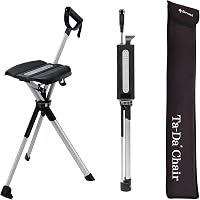
Metal canes solve weight in a different way. The Drive Medical Adjustable Lightweight Folding Cane is made with extruded aluminum tubing and weighs 3.1 pounds.
It opens as a seat when you need a rest, which wood cannot do.
Rule: choose a lighter wood like ash if you walk far, and choose hickory or oak if you need more strength and accept the added weight.
Which Wood Handles Shock and Uneven Ground Best?
Shock resistance matters on concrete, stone, and gravel. Hickory has a strong record for absorbing shock without feeling harsh.
Ash also flexes, which can soften the feel under your hand.
Oak is hard and steady, but it gives less flex than ash or hickory. That firm feel can be good for balance, since you get clear feedback from the ground.
Some users prefer that solid feel on smooth indoor floors.
Maple is hard and gives a firm response. It can feel less forgiving on hard pavement.
Beech is firm but often feels smoother than oak on longer walks.
The tip matters as much as the wood. A rubber tip adds grip and softens contact with the floor.
A worn tip can slip, so check it often and replace it when the tread looks smooth.
A three-point base can change how a cane feels on the ground. The HurryCane Freedom Edition Foldable Walking Cane has a patented SteadiGrip base and a three-point contact base.
It also adjusts from 30.5 to 37.5 inches and folds to 13.7 inches for travel.
Rule: choose hickory or ash for shock comfort, and check the tip as often as you check the shaft.
How Do Grain and Shaft Shape Change Strength?
Grain direction affects how a wooden shaft bends and bears load. A straight grain usually gives more even strength along the shaft.
A wavy or cross grain can create weak spots where cracks may start.
Knots can also weaken a shaft. A cane with a clean, straight shaft is usually a safer buy than a fancy piece with many knots.
Decorative carving looks nice, but deep carving can thin the wood at key points.
Shaft diameter matters too. A thicker shaft is stronger but heavier.
A thinner shaft is lighter but may flex more. For most adults, a solid shaft that fits your hand and matches your weight is the goal.
Tapered shafts save a little weight near the tip. They can feel lighter during a swing.
They also need careful making, since the thin end must still support load.
Laminated or bent wood shafts behave differently from solid shafts. Bent wood can spring back after a bend.
Laminated wood can resist splitting. Solid wood is simple, repairable in basic ways, and easy to understand.
Rule: choose a straight-grained shaft with no deep knots, and do not trade shaft strength for carving alone.
Which Woods Are Easiest to Grip and Finish?
A cane is only as good as its grip. Smooth wood can feel good in a dry hand but may slip when your hand is damp.
The handle shape and finish change that risk.
Oak has an open grain that can feel slightly rough. That roughness can help grip, but it may need a smooth finish to avoid splinters.
Hickory is dense and can take a smooth, hard finish.
Ash has a visible grain and a firm feel. It can be finished smooth while keeping a natural texture.
Maple is smooth and pale, so it shows dirt more easily. Beech is smooth and even, which makes it easy to clean.
Walnut has a warm color and a smooth feel when finished well. It can show scratches, so a durable finish helps.
Cherry darkens with age and has a rich tone, but it can dent.
Agebility to repair the finish matters. Minor scratches on wood can often be sanded or touched up.
A damaged metal shaft is harder to fix at home. Wood also feels warmer in cold weather than metal.
Rule: choose a smooth, sealed finish you can hold with a damp hand, and test the handle shape before you buy.
How Should Wood Compare With Metal for Adjustable Height?
Wood canes are often fixed height or cut to size. That fixed height is fine if you measure well and keep the cane for years.
It is less helpful if your needs change or if you share the cane.
Metal canes often adjust in height. That helps if you buy online and are unsure of your size.
It also helps for travel, since many metal canes fold.
Wood canes have a classic look and a warm feel. Some users prefer that feel and the solid heft.
Metal canes can feel lighter and more modern, with rubber grips and foldable frames.
A cane with a seat solves a different problem. Wood cannot open into a seat.
If you often wait in lines or attend outdoor events, a seat cane may help more than wood species choice.
Our roundup of the best wooden walking cane options helps you compare finished wood models. Use it after you pick a species, so you can judge handle style, height, and tip.
Rule: choose wood for a fixed, classic cane, and choose adjustable metal if height fit or folding matters more.
Which Wood Suits Men, Women, and Different Hand Sizes?
Hand size and grip strength shape the best pick. A smaller hand may prefer a lighter shaft and a slimmer handle.
A larger hand may prefer a thicker shaft with a broad grip.
Traditional crook handles fit many users and look classic. Straight handles can give more control for some users.
Offset handles place the grip over the shaft, which may feel steadier for some people.
For a men's style, our guide to best wooden walking canes for men compares models with stronger, darker woods and larger grips. You can use that guide to check shaft thickness and handle shape.
For a women's style, our guide to the best wooden walking cane for women focuses on lighter weights and slimmer profiles. That can help if you want strength without a heavy feel.
Do not pick by gender alone. Pick by hand size, weight, height, and walking distance.
Two users of any gender may need very different shafts.
Rule: choose the handle and shaft diameter that fit your hand, then pick the wood species that gives the strength you need.
When Is a Folding Cane or Seat Cane a Better Pick Than Wood?
A folding cane helps when you travel or store gear in a small space. It can fit in a bag or hang on a hook.
Wood canes are long and fixed, so they take more room.
A folding cane also helps when you want height adjustment. You can set it to your wrist height and lock it in place.
That fit matters for balance and posture.
If you compare folding styles, our guide to the best folding walking cane explains fold size, lock types, and base styles. Use it if portability is a main need.
A seat cane helps when you need to rest often. The Drive Medical model above has a 9 inch seat diameter, a seat height of 19 to 22 inches, and a weight capacity of 250 pounds.
Its cane height adjusts from 34 to 38 inches. That size range suits many users, but you should still measure your own height.
If you need to compare cane types, read Rollator vs Cane: What Seniors Should Know. That guide explains when one support point is enough and when four wheels help more.
Rule: choose a folding or seat cane if travel, storage, or frequent rests matter more than a solid wood shaft.
How Do You Measure for the Right Cane Height?
Cane height affects posture and balance. A cane that is too tall can raise your shoulder.
A cane that is too short can make you bend forward. Both can make walking harder.
Stand in your usual shoes on a flat floor. Let your arms hang at your sides.
Bend your elbow a little, about 15 to 20 degrees. The top of the handle should sit near the crease at your wrist.
For many adults, that puts the handle around hip height. The exact height varies by arm length and posture.
Use your own measurement, not a chart alone.
If you buy a fixed wood cane, measure twice before you cut or order. A cane that is too long can be trimmed, but a cane that is too short cannot be fixed.
Ask the seller about trimming before you order.
Adjustable canes give you room to fine-tune. The HurryCane model above adjusts from 30.5 to 37.5 inches, which covers many users.
Still check the fit with your shoes on.
Rule: set the handle near your wrist crease with a slight elbow bend, and buy adjustable height if you are unsure.
How Should You Care for a Wooden Cane Over Time?
Wood lasts when you keep it dry and clean. Wipe it with a soft cloth after use in rain.
Let it dry at room temperature, away from direct heat.
Do not soak a wood cane in water. Standing water can raise the grain and weaken joints.
If the cane gets wet, dry it with a cloth and let it air dry.
Check the tip and ferrule each month. Replace a worn rubber tip before the wood touches the floor.
A loose ferrule can wobble and reduce grip.
Look for cracks, deep dents, or splinters along the shaft. Small surface marks are normal.
A crack that runs along the grain needs care, since it can grow under load.
Store the cane in a dry place. Avoid a damp garage or a car trunk in heat.
If the finish looks dry, a light application of a wood-safe finish can help, but follow the maker guidance for your cane.
Rule: keep wood dry, check the tip often, and retire a cane with a deep crack along the grain.
When Should You Consider a Rollator or Walking Frame Instead?
A cane gives one point of support. That can be enough if your balance is mostly steady and you need light help.
It may not be enough if you feel unsteady on both sides.
A rollator gives four points of support and often has brakes and a seat. That design can help on longer walks and in crowds.
A walking frame gives even more fixed support and may suit users who need maximum stability.
Read Rollator vs Walking Frame: A Quick Guide if you are unsure which aid fits your needs. That guide compares wheels, brakes, seats, and indoor use.
If you walk outdoors with hearing protection, note this separate item. The Walker's Razor Slim Electronic Muff has an ultra low-profile design with slim ear cups.
It amplifies safe sounds with two hi-gain microphones and has an audio input jack. It is hearing protection, not a walking aid.
Rule: choose a cane for light support, and consider a rollator or frame if you need wider, steadier support.
Final Check: How Do You Pick the Best Wood for Walking Cane Use?
Start with strength, then weight, then grip. Hickory and oak lead for strength.
Ash gives a lighter option with good flex. Walnut suits light use and looks.
Pine is the weakest pick for a main cane.
Measure your height before you order. Check the grain and shaft for knots.
Order a tip that fits the shaft and replace it when it wears. Keep the wood dry and inspect it often.
If you want portability or a seat, compare metal options. If you want a classic fixed cane, wood is a solid choice.
The best wood for walking cane use is the one that matches your weight, hand, height, and walking distance.
Rule: pick hickory or oak for strength, ash for lighter daily walks, and measure before you buy.
Frequently asked questions
What is the strongest wood for a walking cane?
Hickory and oak are often chosen for strength. Hickory resists shock and bending, while oak gives a hard, steady shaft.
Strength also depends on shaft diameter, grain, and how the cane is cut.
A straight grain with no knots usually performs better than a twisty grain.
What wood is best for a walking cane for seniors?
Ash, maple, and beech can suit seniors who want a lighter cane that is still firm. Ash has flex that softens steps, and maple gives a smooth, hard feel.
Pick the weight you can carry for your usual walk without shoulder fatigue.
Test grip comfort before you commit.
Is walnut good for a walking cane?
Walnut is good for appearance and moderate strength, but it is softer than oak or hickory. It can show dents more easily and may cost more.
Choose walnut if you value looks and light-medium weight.
Choose oak or hickory if you put strength and low cost first.
How should I care for a wooden walking cane?
Wipe the shaft with a dry or slightly damp cloth and dry it right away. Avoid soaking the wood or leaving it in direct sun or damp air.
Check the tip and ferrule often, and replace a worn tip.
A light coat of suitable wood finish can help dry wood, but follow the maker guidance.