How to Troubleshoot a Pride Mobility Scooter
Pride mobility scooter troubleshooting starts with power, battery charge, freewheel mode, and the controls, in that order. Most starting and movement faults trace to a discharged battery, a loose connection, or freewheel being left on.
On this page (10 sections)
- Why does my Pride scooter have no power at all?
- How do I check the battery and charging system safely?
- How do I tell if the problem is freewheel mode?
- Why does the scooter beep or stop when I press the throttle?
- What should I check when steering, brakes, or tyres feel wrong?
- How do I troubleshoot charging lights and battery gauges?
- When should I choose a replacement battery or a new scooter?
- How do Pride travel models compare for troubleshooting?
- What routine checks prevent most Pride scooter faults?
- When should I call a dealer instead of troubleshooting more?
Pride mobility scooter troubleshooting starts with power, battery charge, freewheel mode, and the controls, in that order. Most starting and movement faults trace to a discharged battery, a loose connection, or freewheel being left on.
Work through one check at a time before you replace parts. Turn the scooter off, sit on level ground, and follow your manual for the exact lever and light locations on your model.
Why does my Pride scooter have no power at all?
No power usually means the batteries are flat, the key switch is off, or a connector has worked loose. Start with the simplest checks before you assume a motor or controller fault.
Turn the key on and look for a battery gauge or warning light. If nothing lights, reseat the battery connectors with power off, then try again.
Corrosion, dirt, or a plug pulled during transport can break the circuit.
Check that the charger is unplugged and the charging port is clean. A scooter will not drive while it is still plugged in.
Also confirm the seat sits fully down and any seat switch is engaged if your model has one.
If the gauge shows low, charge the batteries fully and retest. A scooter left unused can lose charge over weeks, so a flat battery is common after storage.
How do I check the battery and charging system safely?
A charging fault is often a flat battery, a loose charger lead, or a battery that no longer holds charge. Give the scooter a full charge cycle before you judge the batteries.
Plug the charger into the scooter first, then into a wall outlet that you know works. Watch the charger light change from charging to full according to the manual.
Leave it on until it reaches full, not just for a short top up.
Unplug in the reverse order and make sure the port click is secure. If the charger shows a fault light, try another outlet and check the lead for cuts or bent pins.
Our guide to an electric mobility scooter not charging covers charger lights, port checks, and when a battery needs replacing. That guide applies to most Pride models with sealed lead acid batteries.
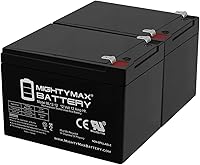
Replace batteries in matched pairs if your scooter uses two, and follow your manual for disposal and connection order. Never short the terminals with a tool, and keep sparks away from charging batteries.
How do I tell if the problem is freewheel mode?
Freewheel is a common cause of a scooter that rolls freely but will not drive. It is also a safety feature for pushing the scooter by hand when power fails.
Find the freewheel lever or knob near the motor or rear axle, as shown in your manual. In drive mode the scooter should resist being pushed.
In freewheel mode it will roll with little resistance.
If you want to drive, push the lever fully to the drive position and listen for a click. Then switch the key on and test the throttle gently on level ground.
Always set freewheel back to drive before you ride away. Leaving it on can stop the scooter from moving after a short push in a car park.
Why does the scooter beep or stop when I press the throttle?
A beep, stop, or jerk when you press the throttle often points to low battery, a fault code, or a loose control connection. Read the light pattern first, then check the battery again.
Count flashes or note the color on the controller light, and look that pattern up in your Pride manual. That pattern narrows the fault to batteries, motor, controller, or throttle far faster than guessing.
Release the throttle, switch off, and wait a minute before you try again. Wiggle test the harness plugs only with power off, and look for worn insulation or pins pushed back in a connector.
If the scooter moves slowly or stops uphill, charge the batteries and test on flat ground. Weak batteries sag under load, so the controller cuts power to protect them.
What should I check when steering, brakes, or tyres feel wrong?
Steering and brake faults need a careful check of the tiller, tyres, and braking feel before you ride. Do not use a scooter that pulls, squeaks loudly, or will not stop cleanly.
Check tyre pressure if your model uses pneumatic tyres, and look for cuts, embedded stones, or flat spots on solid tyres. Use the pressure on the tyre sidewall or in the manual, never a guess from another model.
Turn the tiller lock to lock while parked, then release it and turn the steering through its range. Listen for grinding, feel for looseness, and check that cables are not trapped.
Test the brakes at walking pace on level ground. The scooter should slow smoothly when you release the throttle and stop firmly with the brake.
If it coasts or pulls, stop and get a technician to inspect it.
How do I troubleshoot charging lights and battery gauges?
Charging lights tell whether power is going in, whether the charge is full, and whether a fault exists. The exact meaning varies by charger, so your manual is the guide.
A red or amber light during charging is normal on many Pride chargers. A green light usually signals a full charge.
A flashing fault light can mean a bad connection, a faulty battery, or a failed charger.
Start by reseating both ends of the lead with the charger unplugged. Then plug in, watch the light, and leave it until full.
If the fault light returns on a good outlet, test with another compatible charger if a dealer can supply one.
A gauge that drops fast under light load points to ageing batteries. Sealed lead acid batteries lose capacity with age and deep discharge.
When should I choose a replacement battery or a new scooter?
Replace the battery when a full charge still gives very short run time, or the scooter cannot hold charge overnight. Replace the scooter when repair cost, wear, or your needs have outgrown the machine.
First confirm the charger works and the scooter gets a full cycle. Then compare run time with what the battery once gave.
A battery that dies after a short trip, even when charged, is usually at end of life.
Check price and availability for a matched battery set before you decide on a new scooter. If the frame, motor, and controller are sound, new batteries may restore years of use for far less cost.
For a new machine, read our guide to a mobility scooter for adults to match size, weight capacity, and range to your daily trips. If your weight or strength needs have changed, a larger model may suit you better than a repair.
How do Pride travel models compare for troubleshooting?
Pride travel scooters share batteries, freewheel, and controls, but plugs and levers differ by model. Always use the manual for your exact Go Go, Jazzy, or other Pride model.
Our post on pride go go scooter troubleshooting covers the Go Go range in more detail, including its battery and freewheel checks. Start there if you own a Go Go, as the plug locations differ from larger Pride models.
If you are comparing brands before a repair, see drive scout scooter troubleshooting and golden buzzaround scooter troubleshooting. Those guides show how similar faults appear on rival models.
For travel use, compare our best travel mobility scooter picks for weight and disassembly. A lighter scooter is easier to lift, but check capacity and range for your body weight and trip length.
What routine checks prevent most Pride scooter faults?
Most faults fade with regular charging, clean connectors, and a short weekly check. Build these habits into your routine and many breakdowns never appear.
Charge the batteries after each day of use, even for short trips. Keep the charging port capped and dry, and wipe down the scooter with a damp cloth, not a jet wash.
Check tyre pressure monthly.
Store the scooter indoors where possible, dry and at room temperature. Batteries discharge faster in cold storage, and damp can corrode connectors.
If you store it for a month, charge it before storage and again before use.
If you carry more weight than a travel model allows, ask a dealer about a higher capacity model. Our guide to a bariatric scooter 500 lbs explains capacity checks.
Riding overloaded strains motors, batteries, and brakes.
For wider fault patterns across brands, see mobility scooter problems and solutions. Use that guide when your Pride fault matches a general issue, such as charger faults or worn tyres.
When should I call a dealer instead of troubleshooting more?
Call a dealer when you see damage, smell burning, hear grinding, or the scooter behaves in a way you cannot explain. Safety comes before saving a call out fee.
Stop use if the scooter moves without throttle input, brakes fail, steering locks, or the tiller feels loose. Also stop if battery cases swell, wires melt, or the charger sparks.
Keep your manual, model and serial numbers, and a note of fault lights and what you tried. That record speeds diagnosis and stops a technician repeating checks you already did.
Ask what a diagnostic test will cost before you authorise work.
Pride mobility scooter troubleshooting works best in a calm order: power, charge, freewheel, controls, then brakes and steering. Use your manual for your model, charge batteries fully, and seek help early when safety is in doubt.
Frequently asked questions
Why does my Pride scooter have power but will not move?
Check freewheel mode first, then the battery charge and the throttle. If freewheel is on, the scooter will roll freely and the motor will not drive it.
Push the lever or knob fully to drive, recharge the batteries, and test the controls on level ground.
How long should I charge Pride mobility scooter batteries?
Charge after each use and leave the charger on until it shows a full charge, following your manual for time and light meaning. Short top ups are better than letting sealed lead acid batteries sit flat.
Replace batteries that will not hold charge after a full cycle.
When should I stop troubleshooting and call for help?
Stop if you see smoke, smell burning, find damaged wires, or the scooter moves on its own. Also stop if brakes, steering, or the tiller feel unsafe.
A dealer or qualified technician can test motors, controllers, and electrical faults that need tools.