What Is a Heavy Duty Rollator? Explained
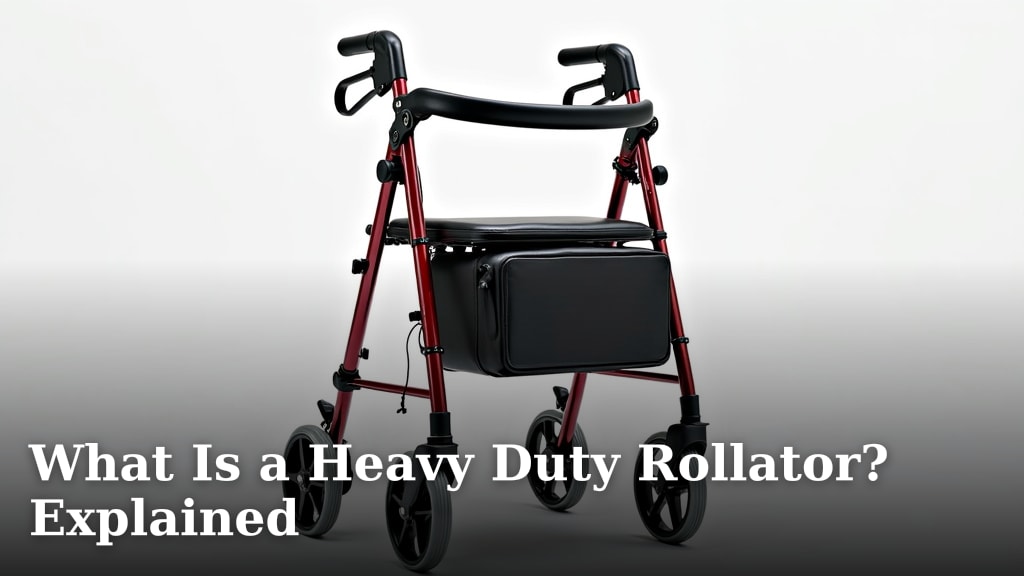
A heavy duty rollator is a sturdy mobility aid designed to support individuals with higher weight capacities, often exceeding 300 pounds. It’s essentially a reinforced walker with wheels, built for durability and stability where standard models might fall short.
These rollators typically feature reinforced frames, larger
Understanding the Heavy Duty Rollator
A heavy duty rollator is a mobility walker with wheels, built to safely support a person’s weight when walking. It is designed for individuals who need more stability and a higher weight limit than a standard walker provides. Think of it as the reinforced, stronger version of the regular rollator you might see in a doctor’s office. Its main job is to help you move around with confidence while preventing falls.
Key Features That Set It Apart
These rollators are not just bigger. They have specific design choices that make them tougher and safer. The goal is to provide reliable support for daily use. Let’s break down the main parts that you will notice.
The Strong Frame
The frame is the backbone of the heavy duty rollator. It is made from reinforced steel or heavy-gauge aluminum. This material is chosen because it does not bend or break easily under load. Many experts say this structural integrity is the most important difference from a standard model (National Institute on Aging). You are looking for a frame that feels solid and unwobbly when you lean on it.
Frame Materials
- Steel frames are very durable but can be heavier.
- Aluminum frames offer a good balance of strength and lighter weight.
Higher Weight Capacity
This is the defining feature. While a standard rollator might support 250 pounds, a heavy duty model is typically rated for 300 pounds, 350 pounds, or even 450 pounds. Always check the weight capacity before you buy. It should be clearly stated by the manufacturer. Choosing a model with a capacity well above your actual weight adds an extra layer of safety and durability.
Larger and Wider Wheels
The wheels on a heavy duty rollator are bigger and often wider than standard ones. Why does this matter? Larger wheels (often 6 to 8 inches in diameter) roll more easily over bumps, thresholds, and uneven outdoor surfaces. They make the walker feel more stable on grass or cracked pavement. You will appreciate this if you plan to use it outside your home. Our guide to four-wheeled rollators explains how wheel size affects stability.
Comfortable and Wide Seat
Most heavy duty rollators come with a padded seat for resting. The seat is wider and stronger than a standard one to support the higher weight capacity. The backrest is also typically more robust. This gives you a secure place to sit down when you get tired. It turns the rollator into a portable bench.
Enhanced Braking System
Safety relies on good brakes. Heavy duty rollators have reinforced hand brakes, often with a locking mechanism. You squeeze the handles to slow down or stop. The locks hold the rollator firmly in place when you are sitting. We found that clear, easy-to-use brakes are a top safety feature noted in consumer safety reports (CDC). Make sure they are easy for you to squeeze before buying.
Benefits of Using a Heavy Duty Rollator
Using the right mobility aid can change your daily life. A heavy duty rollator offers specific benefits for individuals with higher weight needs. It is about independence and safety.
Improved Stability and Safety
The wide base and strong frame mean less wobbling. You can lean on it with confidence. This reduces the risk of falls, which is a major concern for many older adults. Research shows that falls are a leading cause of injury among seniors (CDC). A reliable rollator is a key tool in fall prevention.
Support for Everyday Activities
With a heavy duty rollator, you can walk to the mailbox, navigate a grocery store, or move around your home. It provides support while allowing you to keep moving. Many users tell us they feel more confident going out alone because of the stability.
Built for Durability
Because it is made with stronger materials, a heavy duty rollator can withstand daily use for years. It is an investment in a tool that will not need frequent replacement. This durability means you can rely on it day after day.
Heavy Duty vs. Standard Rollator: A Quick Comparison
It helps to see the differences side by side. Here is a simple table showing the main contrasts. Use this to decide if you need the heavier model.
| Feature | Standard Rollator | Heavy Duty Rollator |
|---|---|---|
| Typical Weight Capacity | 250 lbs or less | 300 lbs and up |
| Frame Material | Lighter aluminum | Reinforced steel or heavy aluminum |
| Wheel Size | Smaller, 5-6 inches | Larger, 6-8 inches |
| Seat Width | Standard width | Wider, more robust seat |
| Overall Build | Lightweight, basic stability | Heavier, maximum stability |
Who Needs a Heavy Duty Rollator?
Not everyone needs the extra strength. But if you fall into one of these groups, it is worth considering. Who benefits the most from this type of walker?
Individuals with Higher Body Weight
This is the most common reason. If you weigh over 250 pounds, a standard rollator may feel unstable or could even break. A heavy duty model is designed for you. It provides the necessary support without straining the equipment.
People with Specific Health Conditions
Certain conditions can make you feel less stable. This includes arthritis, joint pain, or balance disorders. The extra support can help manage fatigue and pain. Many healthcare providers recommend them for patients who need more than a cane but less than a wheelchair (Mayo Clinic). They are often a good middle ground.
Those Needing a Seat for Rest Stops
If you tire easily and need to sit down frequently, the built-in seat is a big help. It lets you take breaks anywhere. This is great for shopping or long trips to the clinic. You can rest without finding a bench.

How to Choose the Right Heavy Duty Rollator
Finding the perfect fit involves more than just picking one off the shelf. You need to think about your body and your daily life. Here is what to look for.
Check the Weight Capacity First
This is non-negotiable. Add 20-30% to your body weight for the capacity you should look for. If you weigh 300 pounds, aim for a rollator rated for at least 330-350 pounds. This gives you a safe margin.
Consider the Seat Height and Width
When you sit, your feet should be flat on the floor. The seat should not be too high or too low. Also, make sure the seat is wide enough for you to sit comfortably. You can often find measurements on the product page.
Test the Brakes
If possible, try the brakes in a store. They should be easy for you to squeeze and lock. Some models have loop brakes that are simpler to use than push-down brakes. Your hand strength matters here.
Think About Storage and Portability
Can it fold up? Heavy duty rollators are heavier, but many still fold. Check how compact it gets when folded. This is important if you need to put it in a car trunk.
Safety Tips for Using Your Heavy Duty Rollator
Once you have your rollator, using it correctly is key. These tips will help you stay safe.
Proper Height Adjustment
The handles should be at the height of your wrists when your arms are relaxed at your sides. If the handles are too high or low, you can hurt your back or shoulders. Most rollators have adjustable legs for this reason.
Using the Brakes Correctly
Always lock the brakes before you sit down. Never try to sit without the brakes on. When walking, keep a gentle squeeze on the brakes for control, especially on slopes. This prevents it from rolling away from you.
Choosing the Right Path
Even with big wheels, be careful on very rough ground. Watch for loose rugs, wet floors, and steep inclines. Take turns slowly. Your rollator is strong, but it still needs a clear path.
What to Look For When Shopping: A Quick Checklist
Use this list as a handy guide when you are ready to buy. Go through each point to make sure you get the best fit.
- Weight Capacity: Is the listed capacity at least 30-50 pounds above your body weight?
- Seat Size: Is the seat wide and deep enough for comfortable sitting?
- Brake Type: Are the brakes easy for you to squeeze and lock?
- Wheel Size: Are the wheels large (6 inches or more) for outdoor use?
- Frame Strength: Does the frame feel solid and not flimsy?
- Folding Feature: Can it fold for storage or transport?
A heavy duty rollator is more than just a walker. It is a tool for maintaining your independence. By understanding its features and choosing carefully, you can find a reliable partner for your mobility needs. You deserve to move around your world with confidence and comfort.
Conclusion
A heavy duty rollator is a specialized mobility aid with a reinforced frame, higher weight capacity, and larger wheels for superior stability. It helps you move safely and independently if standard walkers feel flimsy. Always prioritize a model that supports your weight with a comfortable seat and easy-to-use brakes. Remember to adjust the height correctly and lock the brakes before sitting. Your next step is to use the checklist from this guide to compare options, and consult your doctor or physical therapist for personalized advice. You can find the right support to keep you active and confident.
Frequently Asked Questions
How is a heavy duty rollator different from a standard walker?
A heavy duty rollator has wheels for smoother movement and a built-in seat for rest breaks. Standard walkers are often lighter without wheels and lack a seating option. The key difference is the reinforced design and higher weight limit of the heavy duty model.
Can I take a heavy duty rollator on an airplane?
Most airlines allow heavy duty rollators as checked baggage or gate-checked items. You should contact your airline in advance to understand their specific policies and any size or weight restrictions. We recommend folding it securely for transport.
How do I know if I need a heavy duty rollator?
You likely need one if you weigh over 250 pounds or feel unstable with a standard walker. Conditions like arthritis or frequent fatigue also make it a good choice. A healthcare provider can assess your mobility needs and recommend the right aid.
What is the average lifespan of a heavy duty rollator?
With proper care, a quality heavy duty rollator can last for several years. Lifespan depends on frequency of use and maintenance, such as checking brakes and wheels regularly. Research and found that timely part replacements can extend its durability.
Are there heavy duty rollators with accessories?
Yes, many models come with accessories like storage bags, cup holders, or tray tables. You can often purchase these add-ons separately to customize your rollator. We found that accessories enhance convenience during daily use.