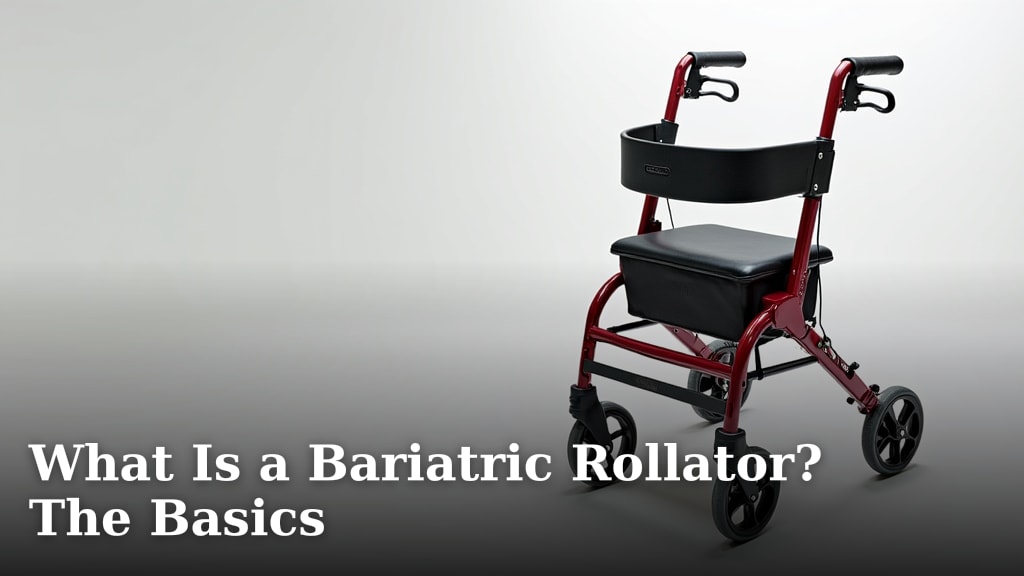
What Is a Bariatric Rollator? The Basics
A bariatric rollator is a heavy-duty rolling walker built for larger individuals. It is designed to provide stable support and safe mobility for people who need more than a standard walker. These rollators typically have a much higher weight capacity and a wider frame for comfort.
Many people find that standard walkers feel too narrow or flimsy. A bariatric rollator addresses this with stronger materials and a broader base. We found that the key features include reinforced aluminum frames and larger wheels for smoother navigation on different surfaces.
- A bariatric rollator is a specialized walker for people needing extra support and space.
- It features a higher weight limit, often 400 pounds or more.
- The frame is wider and more stable than a standard walker.
- It includes a padded seat and large wheels for comfort and easy movement.
- It helps you maintain independence while ensuring safety for heavier users.
Below, we break down everything you need to know about choosing the right bariatric rollator. We will look at key features, benefits, and how it differs from other walkers. Let’s walk through exactly how this works step by step.
Defining a Bariatric Rollator: What It Is and Why It Matters
A bariatric rollator is a specialized rolling walker designed to provide safe mobility for individuals who require higher weight support and extra space. Unlike standard walkers, it is built with reinforced materials and a wider frame to ensure stability and comfort during use.
Many people assume all walkers are the same, but that is not the case. A bariatric rollator addresses specific needs by offering enhanced durability. We found that this equipment is essential for maintaining independence without compromising on safety.
Who Should Consider a Bariatric Rollator?
This mobility aid is ideal for anyone exceeding the weight limits of standard walkers. It is often recommended for individuals who need reliable support for daily activities. According to the Centers for Disease Control and Prevention (CDC), using appropriate mobility aids can reduce fall risks and improve quality of life.
Key Benefits for Larger Individuals
For starters, a bariatric rollator provides a higher weight capacity, typically ranging from 400 to 500 pounds. This ensures the device can handle greater loads without bending or breaking. You can move around your home or community with more confidence.
Another benefit is the wider seat and frame. This design allows for a more comfortable sitting experience when you need to rest. It also gives you more room to maneuver, which is especially helpful in tight spaces.
When to Upgrade from a Standard Walker
If your standard rollator feels cramped or unstable, it might be time for an upgrade. Signs include wobbling, difficulty turning, or discomfort when seated. A bariatric model offers a sturdier base and smoother rolling action. Many experts suggest reassessing your mobility needs annually (Mayo Clinic).
Essential Features That Set It Apart
The main features of a bariatric rollator revolve around strength and adaptability. These components work together to provide a secure and comfortable experience. Let’s break them down.
Weight Capacity and Frame Construction
The frame is usually made from reinforced aluminum or steel, giving it a robust build. This material choice allows for a higher weight limit while keeping the rollator relatively lightweight. You won’t have to worry about the frame giving way during use.
The weight capacity is a critical spec. Always check the manufacturer’s guidelines to ensure it matches your needs. For example, some models support up to 600 pounds, making them suitable for a wide range of users.
Wheel Size and Maneuverability
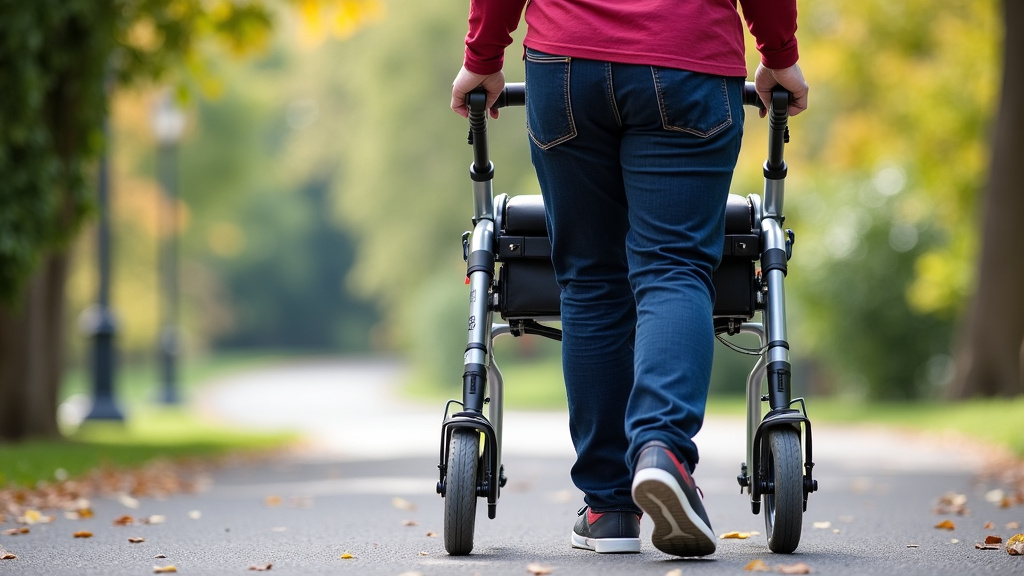
Larger wheels are a hallmark of bariatric rollators. Typically, they are 8 inches or more in diameter, which helps glide over uneven surfaces like gravel or carpet. This size reduces the effort needed to push the walker.
The wheels often feature rubber tires for added grip. This means you can navigate both indoor and outdoor environments with ease. You might find that even thick rugs or door thresholds pose less of a challenge.
Seat Design and Comfort
The seat is wider and more padded compared to standard models. It provides a stable place to sit when you feel fatigued. Some seats also have backrests for extra support during longer rest periods.
Height adjustability is another aspect. The handles and seat can often be customized to fit your body. This ensures proper posture and reduces strain on your back or arms.
How It Compares to Other Mobility Aids
Understanding the differences can help you make an informed choice. Here is a quick comparison table based on common specifications.
| Feature | Bariatric Rollator | Standard Rollator | Standard Walker |
|---|---|---|---|
| Weight Capacity | 400 lbs or more | Up to 300 lbs | Up to 300 lbs |
| Frame Width | Wider for extra space | Narrower design | Fixed narrow frame |
| Wheels | Larger, 8 inches+ | Smaller, 6 inches | Often no wheels |
| Seat | Padded and wide | Basic padding | Usually no seat |
| Primary Use | Heavy-duty support | General mobility | Basic stability |
This table shows that a bariatric rollator is built for more demanding situations. If you need something for occasional use, a standard model might suffice. But for daily reliance, the bariatric version is the safer bet.
Choosing the Right Bariatric Rollator for Your Needs
Selecting the best model involves considering several factors. You want to ensure it fits your lifestyle and physical requirements. Here is a checklist to guide you through the process.
- Measure your weight to confirm it falls within the rollator’s capacity.
- Check the seat width for a comfortable fit when sitting.
- Test the handle height to ensure it aligns with your elbows when standing.
- Consider the wheel size based on the surfaces you frequent.
- Evaluate the storage options like baskets or pouches for personal items.
- Look for foldability if you need to transport it in a car or store it easily.
Take your time with this decision. Many stores offer trial periods, so you can test the rollator at home. This hands-on experience is invaluable.
Safety Tips and Best Practices
Using a bariatric rollator correctly is just as important as choosing the right one. Always engage the brakes before sitting down or standing up. This prevents the rollator from rolling away unexpectedly.
Keep your body centered between the handles when walking. This maintains balance and reduces the risk of tipping. If you feel unsteady, stop and rest on the seat. Safety should always come first.
Regularly inspect the rollator for any loose bolts or worn parts. Tighten screws as needed to keep everything secure. A quick check before each use can prevent accidents.
Maintenance and Care
Proper care extends the life of your rollator. Clean the frame and wheels with a damp cloth to remove dirt. Avoid harsh chemicals that could damage the finish.
Lubricate the wheel bearings occasionally to ensure smooth movement. Store the rollator in a dry place to prevent rust. If you notice any damage, contact the manufacturer for repairs. Many offer warranty support for these issues.
Real-World Use: A Quick Scenario
Imagine you need to walk to the mailbox at the end of your driveway. With a bariatric rollator, the large wheels handle the uneven pavement easily. You can take your time and sit on the seat if the distance feels too long. This simple act helps you stay connected to your community.
We found that many users appreciate the freedom this device provides. It allows you to perform errands without relying on others. That sense of independence is priceless.
Common Misconceptions to Avoid
Some people think bariatric rollators are only for the elderly. That is not true. They are for anyone who needs extra support, regardless of age. Another myth is that they are too bulky for indoor use. Modern designs are often compact and foldable, making them suitable for homes.
Do not let these misconceptions stop you from exploring your options. The right rollator can adapt to various settings. It is about finding what works for you.
Final Thoughts on Getting Started
Embarking on the journey to find a bariatric rollator can feel overwhelming at first. Start by consulting with a healthcare provider. They can offer personalized recommendations based on your health profile. This step ensures you make a choice that supports your well-being.
Remember, the goal is to enhance your mobility safely. A bariatric rollator is a tool that can make a significant difference. Take the time to research and select a model that meets your needs. You deserve to move around with confidence and ease.
Conclusion
A bariatric rollator is more than just a heavy-duty walker. It is a thoughtfully designed mobility aid that provides the **stable support**, **wider comfort**, and **higher weight capacity** many individuals need. From reinforced frames to larger wheels, every feature works together to help you move safely and independently. You have learned how it differs from standard models and what key features to look for. Now, you can move forward with the knowledge to make a confident choice. Your next step is simple: use the checklist provided to evaluate your personal needs, and consider a trial with a model that fits you perfectly.
Frequently Asked Questions
Does Medicare or insurance typically cover a bariatric rollator?
Coverage can vary. Medicare Part B may cover a rollator as durable medical equipment (DME) if a doctor prescribes it as medically necessary. You should check your specific plan’s guidelines and confirm with your supplier about any required documentation or co-payments.
Are bariatric rollators too large for indoor use at home?
Not necessarily. While they have a wider frame than standard walkers, many bariatric models are designed to fold. This makes them manageable for maneuvering through doorways and storing in your home. Always measure your doorways before purchasing.
How do I know if I need a bariatric rollator versus a standard rollator?
The primary factor is weight. If you exceed 300 pounds, a bariatric model is safer. Also, consider comfort—if a standard rollator feels cramped or unstable, a wider bariatric seat and frame will provide a much more secure fit.
What is the typical price range for a quality bariatric rollator?
Prices generally fall between $150 and $400. The cost depends on the weight capacity, frame material, and added features like baskets or padded seats. Investing in a well-made model ensures better durability and safety.
Can a bariatric rollator be used outdoors on uneven ground?
Yes, this is a key benefit. Their larger, rubber-tired wheels (often 8 inches or more) are specifically designed to handle uneven surfaces like gravel, grass, or cracked pavement much more smoothly than smaller wheels.