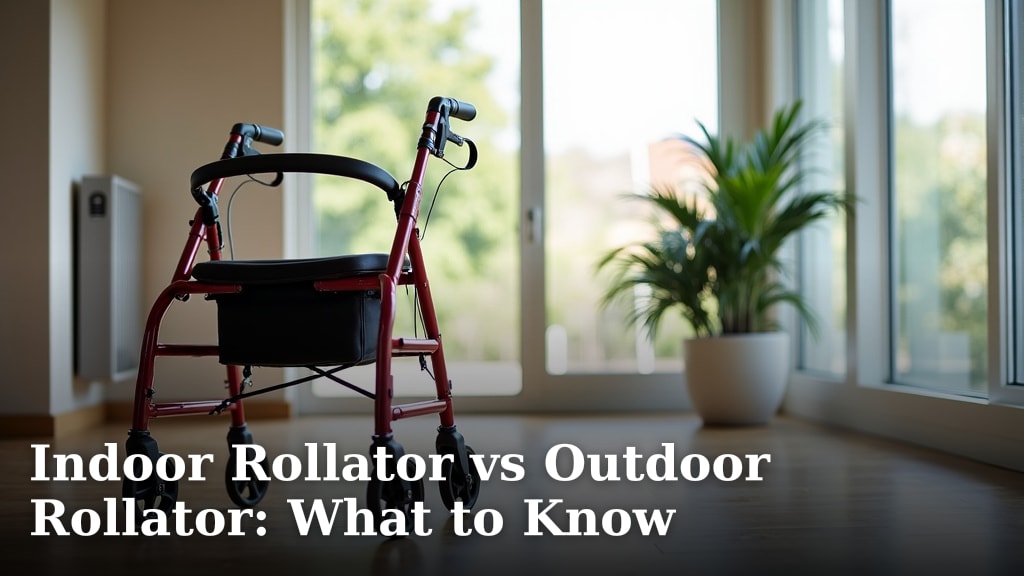
Indoor Rollator vs Outdoor Rollator: What to Know
Choosing between an indoor rollator and an outdoor rollator depends on where you plan to use it most. Indoor rollators are typically lighter and more compact for navigating tight spaces, while outdoor models are built sturdier with larger wheels for varied terrain. Both aim to provide you with greater stability and independence.
Your mobility needs are unique, and so are your mobility aids. Many experts say that selecting the right type can make a huge difference in your daily comfort and safety. We found that understanding the subtle differences helps you make a better choice for your lifestyle and specific needs.
- Indoor rollators are best for smooth, clear indoor surfaces.
- Outdoor rollators handle rougher terrain and inclines better.
- Consider weight capacity and storage needs for both.
- Wheels and brakes are key differences for performance.
- Your personal comfort and the places you go matter most.
Let’s walk through exactly what makes each type suitable for its environment, so you can feel confident in your decision.
“`htmlChoosing the Right Rollator for Your Needs
Deciding between an indoor and an outdoor rollator can feel like a big choice. But don’t worry, we’re here to help you figure it out. Your rollator should be a trusty companion, making your life easier and safer, not a source of confusion. Many experts agree that the right rollator can significantly boost your independence and confidence.
Think about where you’ll be using your rollator most often. This is the biggest factor in choosing between models. Indoor rollators are designed for smooth, flat surfaces, while outdoor rollators are built to handle bumps and inclines. We’ve found that understanding these core differences makes all the difference.
Understanding Indoor Rollators: Your Home Companion
Indoor rollators are specifically made for life inside your home. They are your partners for navigating hallways, kitchens, and living rooms. Their design focuses on being **lightweight and maneuverable**.
Designed for Smooth Surfaces
Your indoor rollator will likely have smaller, solid wheels. These wheels are great for carpets, tile, and hardwood floors. They offer good **traction on predictable surfaces**. You won’t have to worry about them getting stuck on rugs.
Compact and Agile Design
Hallways can be narrow, and furniture can be in the way. That’s why indoor rollators are often more compact. They are built to have a smaller footprint. This makes them **easier to steer** around obstacles. Some even have a feature that allows them to fold very flat for storage.
Key Features of Indoor Rollators
- Smaller Wheels: Typically 6-8 inches, ideal for indoors.
- Lightweight Frame: Easier to lift and move around your home.
- Foldable Design: Many fold compactly for storage in closets or tight spaces.
- Built-in Tray or Basket: Handy for carrying items around the house.
When an Indoor Rollator is Your Best Bet
An indoor rollator is perfect if your main goal is to have extra support while moving around your house. If you have trouble walking long distances indoors or worry about losing your balance, this can provide the **stability you need**. It’s for those moments you need a little help getting from the couch to the kitchen or to the bathroom.
Exploring Outdoor Rollators: Ready for Adventure
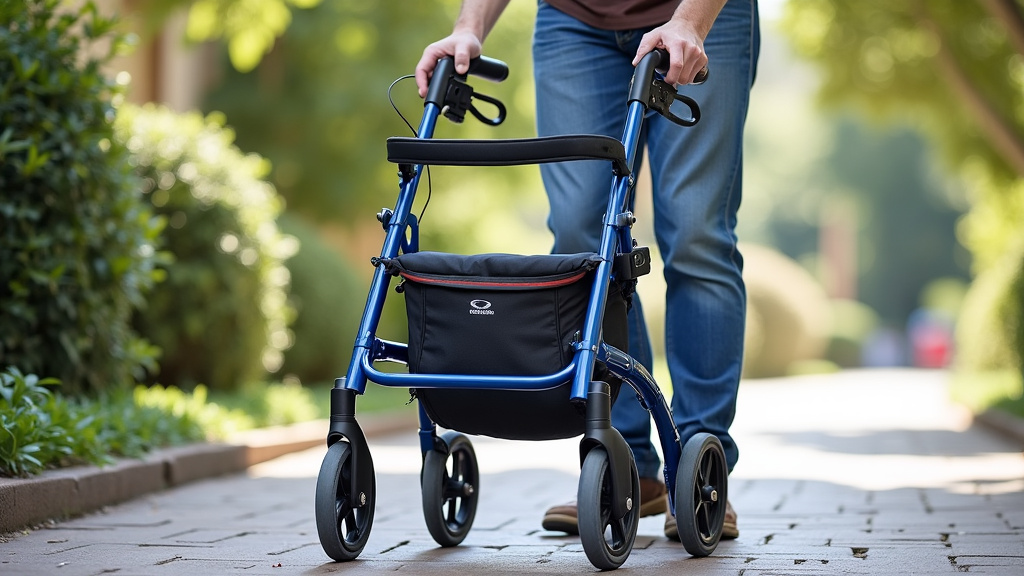
Outdoor rollators are built tough for the world beyond your front door. They are designed to tackle sidewalks, parks, and even uneven terrain. These models prioritize **durability and stability** on varied surfaces.
Robust Wheels for All Terrains
The biggest difference you’ll notice is the wheels. Outdoor rollators usually have larger wheels, often 8 inches or more. Some models even have 10-inch wheels. These larger wheels can **roll over cracks** in sidewalks and small bumps more easily. They help prevent you from getting stuck.
Types of Outdoor Wheels
You’ll find different types of wheels for outdoor use. Pneumatic tires (like on a bicycle) offer the **smoothest ride** and best shock absorption, but they can be prone to flats. Solid rubber or foam-filled tires are more durable and maintenance-free. We found that choosing the right wheel type depends on the surfaces you’ll encounter most.
Sturdier Construction and Brakes
Outdoor rollators are built with stronger materials to withstand more wear and tear. They often have more robust braking systems. Reliable brakes are essential for **safety on inclines and declines**. Many outdoor models feature loop-style hand brakes that you squeeze towards you to slow down or stop.
Comfort and Support Outdoors
Many outdoor rollators come with comfortable seats and backrests. This allows you to take breaks wherever you are. They are designed to be **stable and secure** even when you need to sit down on a park bench or a path.
When an Outdoor Rollator Shines
If you plan to use your rollator for trips to the grocery store, walks in the park, or visiting friends, an outdoor model is likely your best choice. It’s for anyone who wants to maintain their **active lifestyle** and explore beyond the confines of their home. They offer the confidence to venture out.
Key Differences at a Glance: Indoor vs. Outdoor Rollators
To help you visualize the distinctions, let’s look at a comparison table. This can make it easier to see how each type is built for its environment.
| Feature | Indoor Rollator | Outdoor Rollator |
|---|---|---|
| Primary Use | Inside the home, smooth floors | Outside, sidewalks, parks, varied terrain |
| Wheel Size | Smaller (6-8 inches) | Larger (8-10 inches or more) |
| Wheel Type | Solid rubber or PVC, good grip on indoors | Pneumatic (air-filled) or solid rubber, better shock absorption |
| Frame Construction | Lighter, more compact | Sturdier, more robust |
| Maneuverability | Excellent in tight spaces | Handles bumps and cracks well |
| Brakes | Standard locking brakes | Often stronger loop-style brakes for hills |
Important Considerations for Both Types
Regardless of whether you choose an indoor or outdoor rollator, there are a few things to keep in mind for everyone. Your **safety and comfort** are always the top priorities.
Weight Capacity: How Much Can It Hold?
Always check the weight capacity of any rollator you consider. This tells you the maximum weight the rollator can safely support. Manufacturers list this clearly. Make sure it’s well above your own weight plus anything you might carry in the basket. Many rollators can support between 250 and 350 pounds (CDC guidelines for mobility aids suggest users choose devices that can safely support their weight).
Seat and Backrest: For When You Need a Break
If you plan to sit on your rollator, ensure it has a comfortable and sturdy seat. A backrest can provide extra support when you’re resting. This is especially important for outdoor rollators if you plan to take longer excursions. We found that a well-padded seat makes a big difference on longer outings.
Storage and Portability: How Will You Store It?
Consider where you’ll store your rollator when it’s not in use. Do you have a large closet? Or do you need something that folds very compactly to slide beside a chair? Some rollators are designed to fold with just one hand, which can be very convenient. We researched that ease of folding is a frequent request from users.
User Height: Finding the Perfect Fit
Rollators come in different heights. The handlebars should be at a level that allows you to stand up straight with a slight bend in your elbows when you’re holding them. This posture is important for **proper support and balance**. Many models offer adjustable handlebars, which is a great feature for finding the perfect fit for your height.
Making Your Final Decision: A Checklist
To help you narrow down your choice, run through this quick checklist. Answering these questions honestly will guide you to the right rollator.
- Where will you use your rollator most often? (Mostly indoors, mostly outdoors, or a mix?)
- What kind of surfaces will you be rolling on? (Smooth floors, carpets, sidewalks, grass, gravel?)
- How important is compact storage for you?
- Do you need to carry items with your rollator? (If so, how much?)
- What is your approximate height and weight to ensure proper fit and capacity?
- Do you anticipate needing to navigate inclines or declines regularly?
Conclusion
Your choice between an indoor and outdoor rollator comes down to your daily routine and where you need the most support. Indoor models offer agility for navigating your home’s tight spaces with their lighter build and smaller wheels. Outdoor rollators provide the ruggedness and larger wheels needed to confidently tackle sidewalks, parks, and uneven paths. We’ve learned that understanding these design differences helps you choose the mobility aid that best fits your lifestyle, enhancing your safety and independence. Now, take a moment to consider your most frequent environments and make the decision that will best support your active life.
Frequently Asked Questions
Can I use an outdoor rollator inside my house?
Yes, you generally can use an outdoor rollator inside your home. However, they can be bulkier and their larger wheels might be less maneuverable in tight hallways or on thick carpets. They may also leave marks on certain flooring types due to their more robust tires.
Can I use an indoor rollator outside?
It’s not usually recommended to use an indoor rollator outside. Their smaller wheels can get stuck easily on cracks, pebbles, or uneven surfaces, making them difficult to push and potentially causing you to lose balance. They are not built to withstand the wear and tear of outdoor terrain.
What if I use my rollator both indoors and outdoors?
If you need a rollator for both environments, you might consider an all-terrain or hybrid model. Some rollators are designed with features that aim to bridge the gap, offering a balance of maneuverability for indoor use and durability for outdoor excursions. Look for models with slightly larger wheels that still fold compactly.
How do I know if I need a seat on my rollator?
You should consider a rollator with a seat if you often need to rest during walks or while running errands. A seat provides a place to sit down when fatigue sets in, offering support and preventing falls. Many outdoor rollators come standard with comfortable, sturdy seats and backrests.
How do I adjust my rollator’s height for the best fit?
Proper height adjustment is key for balance and support. Stand up straight and hold the handlebars; your elbows should have a slight bend, around 15-20 degrees. You should not have to stoop over or reach too high. Most rollators have adjustable handles that you can raise or lower to achieve this comfortable and safe position.