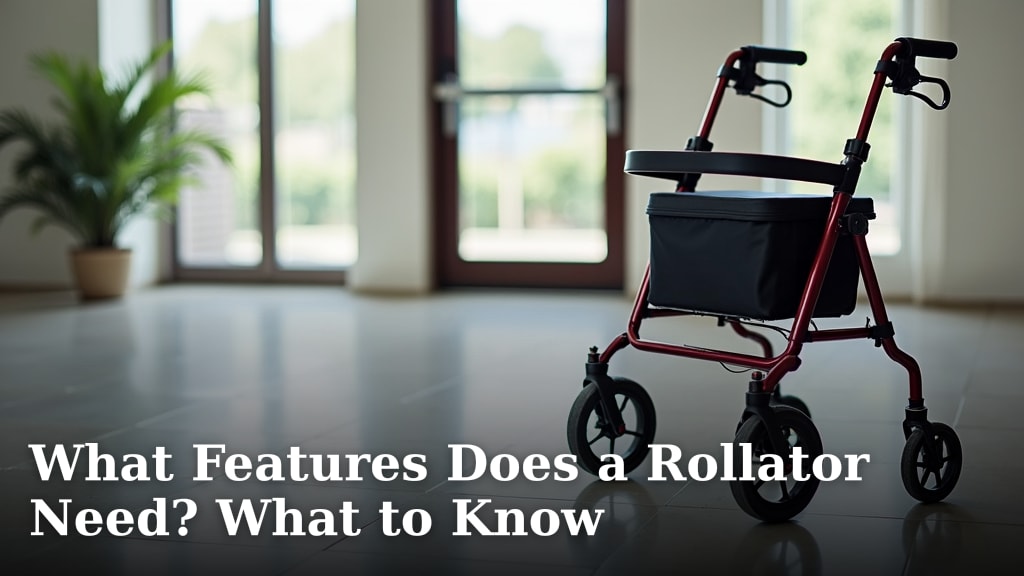
What Features Does a Rollator Need? What to Know
Selecting the right rollator means finding one with features that support your mobility needs. Look for a rollator that offers stable support and convenient features like a comfortable seat and good brakes. It should make getting around easier and safer for you.
Choosing a rollator involves more than just picking a color. You’ll want to consider how it will fit into your daily life. Think about where you’ll use it most, whether it’s inside your home or out and about. A well-chosen rollator can make a big difference in your independence and comfort.
- Look for sturdy construction and reliable brakes.
- A comfortable seat and backrest are important for resting.
- Consider the size and weight for easy transport and storage.
- Wheels should be appropriate for where you’ll use it.
- Storage options can be very helpful.
We’ve gathered information on the key features to help you make an informed choice. Let’s walk through what you need to know when picking out the perfect rollator for your needs.
You’re looking for a rollator that will genuinely help you get around more easily and safely. It’s a big decision, and it’s smart to know what features matter most. Let’s break down what you should be looking for to find the perfect walking aid for your lifestyle.
Key Features to Consider for Your Rollator
Finding the right rollator means understanding its core components. These are the parts that will help you walk, sit, and store your belongings. We’ll cover the essentials you need to know.
Understanding the Different Types of Rollators
Before diving into features, it helps to know there are a few main types. Most rollators are designed for general use. Some are lighter and more portable. Others are sturdier for heavier support. Knowing your primary use case helps narrow down the options. Many people find a standard rollator meets their needs best (CDC). Understanding the main types of rollators helps narrow down your choices.
Standard Rollators
These are the most common and offer a good balance of features. They typically have four wheels and a seat. They are great for both indoor and outdoor use. You get reliable support and a place to rest when you need it.
Lightweight Rollators
If you need to lift your rollator often, like into a car, a lightweight model is key. They use lighter materials. This makes them easier to maneuver and transport. Just ensure they still offer sturdy support.
Heavy-Duty Rollators
For individuals who need extra weight capacity or a more robust frame, heavy-duty rollators are the answer. They are built for durability and often have wider seats. They provide excellent stability.
The Importance of a Sturdy Frame
Your rollator’s frame is its backbone. It needs to be strong and stable. This is what supports you as you walk. A wobbly frame can be dangerous. You want materials that feel solid under pressure. Aluminum and steel are common frame materials. Steel tends to be heavier but stronger. Aluminum is lighter, making it easier to lift.
Weight Capacity
Always check the maximum weight capacity of the rollator. This is a critical safety specification. Make sure it exceeds your current weight. It’s wise to have some buffer for safety. Manufacturers usually state this clearly on the product.
Material Quality
Look for smooth welds and a well-finished frame. There should be no sharp edges or loose parts. The construction should feel robust. Many experts recommend checking reviews for comments on frame durability.
Braking Systems: Your Safety Net
The brakes on a rollator are arguably its most important safety feature. You need them to work reliably. This prevents the rollator from rolling away when you don’t want it to. There are two main types of brakes you’ll encounter.
Loop Brakes
These are the most common type. You squeeze a lever, similar to bicycle brakes. They are usually easy to operate. They can be used to slow down or to lock the wheels when you’re sitting. We found that consistent practice helps master their use.
Push-Down Brakes
With these, you push a lever down to engage the brakes. To release them, you lift the lever. Some people find these easier to engage, especially if hand strength is a concern. It’s good to try both if you can. The National Institute on Aging suggests checking brake function regularly.
Locking Mechanism
Ensure the brakes can be reliably locked in place. This is essential for safety when you use the seat. A rollator that rolls while you’re seated can cause a fall. Test the locking mechanism to see if it feels secure.
Wheels and Terrain: Where Will You Go?
The wheels on your rollator determine how easily it moves over different surfaces. Consider where you’ll be using it most often.
Wheel Size Matters
Larger wheels generally handle uneven surfaces better. They can roll over bumps, cracks, and thresholds more easily. Small wheels can get stuck. For indoor use on smooth floors, smaller wheels might be fine. For outdoor adventures, larger wheels are usually better.
Solid vs. Pneumatic Tires
Solid tires are maintenance-free. They won’t go flat. However, they can provide a bumpier ride. Pneumatic tires are air-filled, like on a bicycle. They offer a smoother ride, absorbing shocks. But they can be punctured and require inflation.
Wheels for Different Surfaces
If you plan to navigate grassy areas or gravel paths, look for wider wheels. These offer better traction and are less likely to sink. For smooth indoor floors, standard or narrower wheels are usually sufficient. Many mobility experts recommend considering your typical environment first.
Comfort Features: Seat and Backrest
One of the biggest advantages of a rollator is the built-in seat. It provides a place to rest whenever you need it. This can make longer outings much more manageable.
Seat Quality and Size
Look for a seat that is wide enough and comfortable for you. Padded seats offer more comfort. Ensure the seat material is durable and easy to clean. Check the seat height to make sure you can sit down and stand up safely.
Backrest Support
A backrest adds comfort and support when you’re sitting. Many rollators come with a padded back strap or a more substantial backrest. This can help you relax more fully. It’s a nice feature for longer rest periods.
Storage Solutions: Keeping Essentials Handy
Your rollator can be a great mobile storage unit. Most come with some form of storage. This lets you carry personal items, shopping bags, or medications with you.
Under-Seat Bags
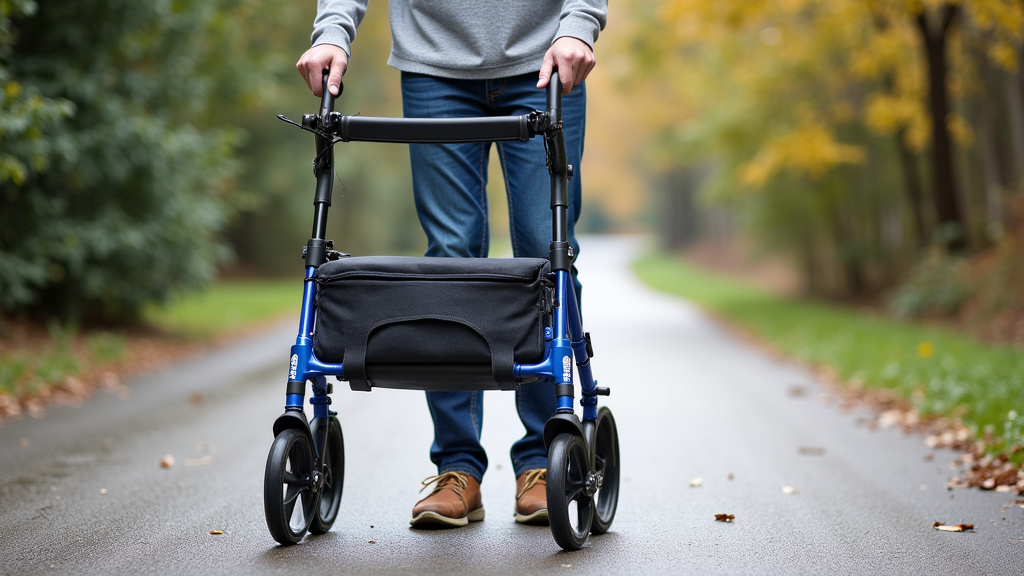
Many rollators have a pouch or bag that hangs beneath the seat. These are great for discreetly carrying items. Look for a bag that is large enough for your needs. Easy access is also important.
On-Board Baskets
Some models include a basket that attaches to the frame. These can be very convenient for carrying larger items. Ensure the basket is securely attached and doesn’t interfere with your walking or the brakes.
Accessory Options
Consider if you might need extra storage. Some rollators have attachments for cup holders, walking stick holders, or even phone mounts. Planning for accessories now can save you hassle later.
Handles and Height Adjustment
The handles are what you hold onto for support. They need to be comfortable and adjustable to your height.
Ergonomic Grip Design
Look for handles that feel comfortable in your hands. Ergonomic grips can reduce fatigue. They should provide a good grip, even if your hands are a little sweaty. Many sources suggest trying different grip shapes if possible.
Adjustable Handle Height
Proper handle height is crucial for posture and balance. When standing upright with your arms relaxed at your sides, the top of the handles should be about wrist-height. Most rollators offer adjustable handles. Make sure the adjustment mechanism is secure and easy to use.
Portability and Folding
If you travel with your rollator, how it folds and its overall weight are important factors.
Ease of Folding
Some rollators fold easily with a simple pull of a strap or lever. Others can be more cumbersome. If you’ll be folding it regularly, test this feature. We found that some folding mechanisms are much more user-friendly than others.
Folded Dimensions
Once folded, will it fit where you need to store it? Check the dimensions. Consider if it will fit in your car trunk or a closet. Some rollators fold quite flat, making them easier to tuck away.
Weight of the Rollator
As mentioned earlier, the weight of the rollator itself matters if you need to lift it. A lighter rollator is easier to carry. But don’t sacrifice stability for weight. It’s a balance.
A Quick Checklist for Your Rollator Shopping Trip
Here’s a handy list to keep in mind when you’re looking at rollators. It covers the most important points we’ve discussed.
- Frame Strength: Does it feel sturdy? What’s the weight capacity?
- Brakes: Do they lock securely? Are they easy to use?
- Wheels: Are they the right size for where you’ll go?
- Seat & Backrest: Is it comfortable for resting?
- Storage: Is there enough space for your essentials?
- Handle Height: Can it be adjusted to your perfect height?
Conclusion
Choosing the right rollator is about finding a tool that truly supports your independence and comfort. You’ve learned that a sturdy frame, reliable brakes, and appropriate wheels are non-negotiable safety features. Don’t forget the importance of a comfortable seat and useful storage for your daily needs. Take your time to consider your typical environment and personal preferences. Your next step is to visit a medical supply store or carefully review product details online, keeping this checklist in mind to find the perfect rollator that fits your life.
Frequently Asked Questions
How do I know if a rollator’s weight capacity is enough for me?
Always check the manufacturer’s stated maximum weight capacity. It’s wise to choose a rollator that can safely support at least 20-30 pounds more than your current weight. This provides an important safety buffer.
Are there rollators specifically designed for rough outdoor terrain?
Yes, some rollators are built for tougher conditions. Look for models with larger, wider wheels, often around 8 inches or more, which provide better traction on grass, gravel, or uneven sidewalks.
What’s the main difference between loop brakes and push-down brakes?
Loop brakes are squeezed like bicycle brakes for slowing or locking. Push-down brakes are pressed down to engage and lifted to release. People with less hand strength might find push-down brakes easier.
How important is the adjustable handle height on a rollator?
Proper handle height is essential for good posture and stability. When standing with your arms relaxed, the handles should reach about your wrist level. Adjustable handles ensure you can get this perfect fit.
Can a rollator with a seat hold my personal items safely?
Most rollators with seats include under-seat bags or baskets. These are designed to securely hold items like purses, groceries, or medications. Just ensure the storage is stable and doesn’t affect balance.